
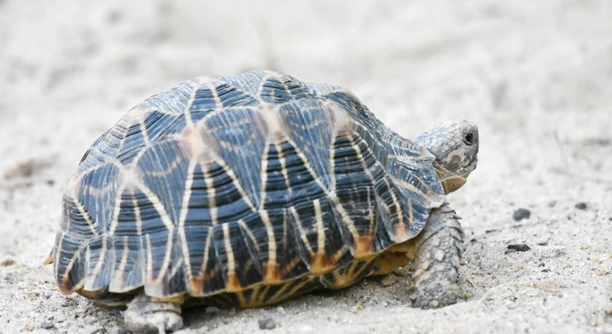
Turtles are fascinating pets, but sometimes their behavior can be puzzling. If you’ve noticed your turtle staring at the glass in its tank, you may be wondering why. This is a common curiosity among turtle owners.
Turtles may stare at glass due to reflections, curiosity, or a desire to explore. They are naturally inquisitive animals and often focus on what they perceive as something interesting or unfamiliar, such as a movement or change in their environment.
This behavior could be a sign that your turtle is trying to understand its surroundings or looking for a way to escape. Understanding why they do this will help improve their habitat and well-being.
The Role of Reflections in Your Turtle’s Behavior
Turtles often spend time staring at the glass due to the reflections they see. When light hits the tank, it creates a mirror-like surface that the turtle might mistake for another turtle or a potential escape route. This reflection can be intriguing to them, making them focus on the glass. If you have a well-lit tank, this effect can be even more pronounced, as the light and shadows constantly change.
Light also creates different visual cues, which can confuse your turtle. They might approach the glass, trying to interact with what they believe is another animal or object. As a result, they keep staring at it, not understanding that it’s just a reflection.
If this behavior bothers you or seems excessive, consider adjusting the tank’s lighting. A more natural light setup or reducing the brightness can help reduce their fixation on the glass. You may also want to add more plants or hiding spots to keep your turtle busy.
Curiosity and Exploration
Curiosity plays a big part in your turtle’s tendency to stare at the glass. Turtles are naturally inquisitive creatures, and they might be wondering about the world outside their tank. If they don’t have much stimulation inside their enclosure, they may fixate on anything that appears new or interesting, such as your movements outside the tank.
Providing different forms of enrichment, such as adding new objects, changing the tank layout, or introducing other animals, can help keep your turtle engaged and distracted. Keeping their environment dynamic encourages them to explore other areas in the tank and move away from the glass.
The Desire for Space and Exploration
If your turtle constantly stares at the glass, it could be a sign that it’s looking for more space. Turtles are territorial and can feel confined in smaller enclosures, especially if they are unable to move around freely. The glass barrier may seem like a way out.
To prevent this, ensure your turtle’s tank is large enough for it to roam comfortably. A cramped space can lead to stress, which might increase the staring behavior. You should also make sure the tank offers various places for your turtle to hide and explore, such as rocks or plants, so it feels less confined.
Proper tank size and enrichment can reduce restlessness. Offering your turtle more space helps keep it mentally and physically healthy. Consider upgrading the tank or adding more elements to simulate a larger, more natural environment for your pet.
How External Factors Affect Their Behavior
Your turtle might also be reacting to external factors outside its tank. Sounds, movements, or even sudden changes in the environment can trigger curiosity. If there’s activity around the tank, your turtle may stare at the glass, trying to make sense of the noise or motion.
This behavior can also be linked to their natural instincts. In the wild, turtles are constantly alert to threats or changes in their surroundings. The glass barrier might not prevent them from sensing these disturbances, which leads them to focus on what’s happening around them. If your turtle feels unsure about its surroundings, it will remain fixated on the glass.
Consider limiting outside distractions, like loud noises or constant movement around the tank. This can help reduce their stress and encourage them to focus on their environment inside the tank, leading to more natural behavior.
Stress and Anxiety in Turtles
Turtles may stare at the glass when they are stressed or anxious. Changes in their environment, like a new tank mate or a sudden shift in temperature, can trigger this behavior. Their natural response is to focus on what they perceive as a potential threat.
Stress can cause turtles to act in unusual ways, such as staring at the glass for extended periods. It’s important to monitor their behavior closely, as stress can also lead to other health issues. If you notice your turtle becoming more withdrawn or aggressive, the glass-staring could be linked to anxiety.
Lack of Stimulation and Boredom
Turtles need mental stimulation, and without it, they can easily become bored. A lack of new objects or changes in their habitat can make them focus on the glass. When there’s nothing else to do, they turn to what seems interesting in their environment.
Boredom can be a big factor in this behavior. Adding toys or changing up their tank setup can help encourage activity. Make sure there are plenty of hiding places, plants, and rocks for them to explore so they don’t fixate on the glass.
Proper Lighting for Your Turtle
Lighting plays a crucial role in a turtle’s behavior. If the lighting in the tank is too bright or too dim, your turtle may become disoriented or stressed. A consistent light cycle mimicking day and night helps your turtle adjust better and may reduce staring.
Make sure to provide both UVB light for health and a proper day-night cycle. Overexposure to intense light could cause discomfort, leading to unusual behaviors like constant glass-staring. Adjust the lighting so that it mimics natural light, helping your turtle feel more secure and less likely to fixate on the glass.
FAQ
Why is my turtle constantly staring at the glass?
Turtles often stare at the glass due to curiosity, reflections, or the desire to explore. They may see their own reflection and mistake it for another turtle or animal. The glass acts as a barrier, and they may be trying to figure out what’s on the other side, especially if there’s movement outside the tank. This is a natural response, as turtles are instinctively curious creatures. In some cases, they may also be trying to find a way to escape or are simply bored and looking for something interesting to focus on.
How can I stop my turtle from staring at the glass?
To reduce your turtle’s glass-staring behavior, try minimizing external distractions. Keeping the tank in a quieter, less active area will limit the things that attract their attention. Adding enrichment, such as new plants, rocks, or hiding spots, can also keep your turtle busy and distracted from staring at the glass. Additionally, adjusting the lighting in the tank can help, as bright lights can increase reflections, which are a common cause of this behavior. Keeping the environment stimulating will prevent your turtle from becoming too fixated on the glass.
Is my turtle stressed if it’s staring at the glass?
Staring at the glass can be a sign of stress, but it’s not always the case. Stress can occur due to changes in the turtle’s environment, such as a new tank, different tank mates, or sudden temperature shifts. If your turtle is staring excessively at the glass along with other signs of stress—like hiding, aggressive behavior, or loss of appetite—it’s a good idea to check the tank’s conditions. Make sure the temperature is ideal, the tank size is appropriate, and that the turtle feels safe and comfortable in its environment.
Could my turtle be bored?
Yes, boredom is another reason why your turtle may be staring at the glass. Turtles need mental stimulation to stay active and engaged. If the tank is too bare or there’s not much for the turtle to explore, it may focus on the glass. Adding enrichment, like plants, rocks, or other objects, can help stimulate the turtle’s curiosity and reduce boredom. Changing the layout of the tank occasionally also keeps things fresh and interesting for your turtle. If the tank environment becomes too monotonous, the turtle will look for something else to focus on.
Should I be concerned about my turtle staring at the glass?
Staring at the glass alone is not necessarily a cause for concern. However, if it becomes excessive and is accompanied by signs of stress, discomfort, or behavioral changes, it could indicate that your turtle is not happy in its environment. In that case, it’s a good idea to assess the conditions of the tank—check the water temperature, filtration system, lighting, and tank size. If everything seems fine, try adding enrichment or altering the tank’s layout to help distract your turtle. Regularly observing your turtle’s behavior is key to maintaining its well-being.
Can I put something on the outside of the tank to stop the glass-staring?
You can place objects or decorations outside the tank, such as a piece of fabric or an opaque material, to reduce the visibility of the outside world. This can help stop your turtle from becoming distracted by movement or reflections. However, be cautious not to block too much light or make the environment too dark. Also, remember that turtles need adequate light for their health, so it’s important to strike a balance. This method works best if external distractions are causing the staring behavior.
Does my turtle need more space to stop staring at the glass?
A small tank can certainly contribute to glass-staring behavior. If your turtle feels confined, it may become more fixated on the glass in an attempt to escape. Turtles need enough space to roam, swim, and explore. If the tank is too small, consider upgrading to a larger one to give your turtle the space it needs. A larger tank also offers more room for enrichment, which can reduce the likelihood of your turtle staring at the glass. Be sure to choose a tank size that’s appropriate for your turtle’s species and size.
Are there any health issues linked to glass-staring behavior?
In most cases, glass-staring doesn’t directly indicate health problems. However, if your turtle is staring constantly and appears stressed, it could signal an underlying issue like poor tank conditions or health problems. Excessive stress can weaken the immune system and lead to health complications over time. If you notice your turtle is displaying other unusual behaviors or signs of illness, such as lethargy, shell deformities, or difficulty eating, it’s important to consult a veterinarian. Regular check-ups and good tank maintenance will keep your turtle healthy and comfortable.
How do I know if my turtle is stressed?
Stressed turtles may exhibit several signs beyond just staring at the glass. Look for behaviors such as lethargy, hiding more than usual, aggression toward other tank mates, or changes in appetite. Stressed turtles may also bask excessively or show signs of aggression, such as biting or hissing. Monitor their behavior over time and adjust their environment if necessary. If stress persists, consider consulting an expert to help identify the cause and provide solutions.
How does the lighting affect my turtle’s glass-staring?
Lighting plays a significant role in whether your turtle will stare at the glass. Bright lights can cause reflections, making your turtle think there is something on the other side of the tank. If you notice your turtle fixating on the glass, try adjusting the lighting or using a more natural setup to minimize reflections. It’s also important to maintain a consistent day-night cycle in the tank to keep your turtle comfortable and reduce unnecessary stress. Be mindful of both the intensity and duration of the light exposure in the tank.
Final Thoughts
Understanding why your turtle stares at the glass is important for ensuring its well-being. While it may seem odd at first, this behavior is usually tied to natural curiosity, the desire for more space, or external factors like reflections or distractions. Turtles are intelligent creatures with strong instincts, and they often react to what they perceive as interesting or stimulating. In some cases, they may even stare at the glass because they are feeling bored, stressed, or anxious. It’s essential to observe your turtle’s behavior closely to figure out the cause of the staring and make necessary adjustments to their environment.
One of the best ways to help your turtle is by providing an enriching and comfortable habitat. This includes offering enough space, proper lighting, hiding spots, and objects that encourage exploration. A well-maintained tank will not only make your turtle less likely to stare at the glass but also keep it physically and mentally healthy. If your turtle seems to be fixating on the glass because of reflections, consider adjusting the tank’s lighting or moving it to a quieter spot where there are fewer distractions. Giving your turtle a space where it can comfortably relax and explore will help minimize this behavior.
In the end, every turtle is different, and each one may have its own reasons for staring at the glass. The key is to pay attention to its behavior and ensure its tank is a safe, stimulating place. By understanding what’s causing the glass-staring, you can make simple changes that improve your turtle’s overall quality of life. Whether it’s adding more enrichment, changing the tank setup, or providing more space, these small changes can make a big difference in how your turtle behaves and feels in its home.

Hello,
If you enjoy the content that we create, please consider saying a "Thank You!" by leaving a tip.
Every little bit helps us continue crafting quality advice that supports the health, happiness, and well-being of pets around the world, for pets of all shapes, sizes, and species.
We really appreciate the kindness and support that you show us!