
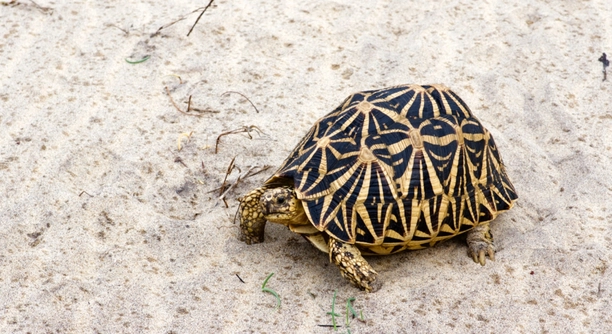
Turtles are fascinating creatures, but when they spit out their food, it can be concerning. You may wonder what could be causing this behavior and how to resolve it for your pet’s well-being.
The most common reasons for a turtle spitting out food include poor water quality, inappropriate food types, or health issues like mouth infections or discomfort. Ensuring the proper diet and environment can help alleviate this problem.
There are multiple reasons behind your turtle’s food-spitting behavior. Understanding these can help you provide the right care to keep your turtle happy and healthy.
Why Is My Turtle Spitting Out Food?
Turtles are picky eaters at times, and when they start spitting out their food, it might leave you wondering if something’s wrong. If you’ve noticed this happening regularly, it’s worth considering a few possible causes. It could range from something as simple as water quality issues to more complex health concerns. The right type of food and proper environment are key to preventing these behaviors. It’s important to address any issues early on to ensure your turtle stays healthy and well-fed.
A common reason behind food-spitting could be improper water conditions. Turtles rely on clean water to maintain their overall health, and poor water quality can lead to them rejecting food. Water that’s too dirty or filled with harmful chemicals can cause discomfort and make your turtle less interested in eating.
Your turtle’s diet could also be a factor. If you’re feeding them foods that don’t match their nutritional needs or are too large to eat comfortably, they might spit them out. Turtles tend to avoid foods that aren’t appealing or are hard to chew. Offering a variety of options, including the right size of food, can help. If their diet is balanced and appropriate, they should have no trouble consuming their meals.
Health Issues That Could Be Involved
In some cases, spitting out food may be a sign of a health problem. Turtles are prone to oral infections, which can make eating painful. Mouth or throat infections can cause irritation, leading your turtle to avoid eating altogether. If you suspect this, it’s a good idea to consult with a vet.
Health problems such as mouth rot or other infections can cause discomfort that leads to a lack of appetite. Your turtle might not want to eat because the process is painful, and they may spit out food as a result. Infections in the mouth can be difficult to spot, but swollen or discolored areas near the mouth are common indicators. If you notice these signs, it’s crucial to get a professional opinion on the situation. Additionally, stress and improper temperature regulation can also contribute to health-related feeding issues, so monitoring your turtle’s environment closely will help ensure they’re comfortable enough to eat.
Poor Water Quality and Its Effects
If the water your turtle lives in isn’t kept clean, it can lead to several issues, including food rejection. Dirty water harbors bacteria and other harmful substances that can make your turtle uncomfortable. Regular water changes and proper filtration are essential for their health and appetite.
Turtles are sensitive to their environment, and poor water quality can lead to stress. When they feel stressed or uncomfortable, they may stop eating or start spitting out their food. This behavior could also be a sign of an infection, which is more likely to develop in unhygienic conditions. It’s important to test the water regularly to make sure it’s safe for your turtle to live in. A good filtration system and keeping the water temperature consistent will help reduce the chances of water-related issues.
Cleaning your turtle’s habitat regularly can help ensure that they don’t encounter food-related issues. If your turtle is spitting out food and you’ve noticed any changes in their water, it might be time to address the tank’s cleanliness. Make sure you’re using dechlorinated water and regularly changing it to maintain a healthy environment.
Diet-Related Causes
Turtles can be quite selective with their food, and sometimes, they’ll spit out what they don’t like. They may not enjoy the texture, size, or taste of certain foods. Offering a mix of proteins, greens, and vegetables can ensure they get the nutrition they need while keeping them interested in their meals.
A varied diet can also help prevent them from spitting out food. For instance, some turtles prefer softer foods, while others need harder foods to chew properly. Trying different food textures and sizes can give you insight into what your turtle likes and dislikes. Additionally, if you’re feeding them too much of one type of food, they may start refusing it altogether. Offering small, manageable portions ensures your turtle doesn’t feel overwhelmed or uninterested in the meal.
If your turtle keeps spitting out their food, it’s worth looking at their diet and trying to provide more options. You can mix in different types of turtle pellets, insects, leafy greens, and fruits to keep their meals interesting. Adjusting the variety and size of the food may encourage them to finish their meals instead of spitting it out.
Stress and Its Impact on Eating Habits
Stress can cause your turtle to stop eating or spit out food. Environmental changes, handling, or even the presence of other animals can lead to stress. Keeping their habitat stable and quiet will help prevent this behavior.
Turtles can get stressed easily, which can affect their appetite. They may feel threatened by sudden changes or unfamiliar surroundings. A stressed turtle may also refuse to eat or regurgitate food. Providing a calm environment with little disturbance can help reduce their stress levels. Avoid loud noises and unnecessary handling to keep your turtle comfortable and willing to eat.
Temperature and Its Role in Eating
Water temperature plays a big role in your turtle’s appetite. If the water is too cold or too warm, it can make eating uncomfortable. Keeping the water at the right temperature is crucial for digestion and overall well-being.
Turtles need a proper range of water temperature to stay healthy and maintain a good appetite. If the water is too cold, they become sluggish and may not eat as much. On the other hand, water that’s too warm can cause stress. Keeping the temperature stable and within the recommended range ensures that your turtle stays active and ready to eat.
Mouth or Throat Infection
Mouth or throat infections can make eating difficult for your turtle. Infections cause pain, which leads to them spitting out food. If you notice any swelling or discharge around the mouth, consult a vet.
FAQ
Why does my turtle spit out its food?
Your turtle may be spitting out food for several reasons, such as poor water quality, improper diet, stress, or health issues. Dirty water or an uncomfortable environment can make your turtle reject food. Also, certain foods might not appeal to them, or they may have difficulty eating due to mouth infections.
How can I improve my turtle’s water quality?
Improving water quality is essential for your turtle’s health and appetite. Regular water changes are key. You should aim to change about 25-50% of the water weekly. Make sure the water is filtered and free of harmful chemicals. Using dechlorinated water and monitoring water parameters like pH and temperature helps keep your turtle comfortable and healthy.
What is the best diet for my turtle?
A varied diet works best for most turtles. You should feed them a mix of high-quality turtle pellets, fresh vegetables like leafy greens, and protein sources like insects or small fish. Avoid feeding them too much fruit, as it can be high in sugar. Offer food in small portions to prevent them from feeling overwhelmed.
How do I know if my turtle is stressed?
Stress in turtles can be caused by environmental changes, loud noises, or overcrowded conditions. Signs of stress include loss of appetite, hiding, or aggressive behavior. If your turtle is constantly spitting out food, it may be stressed by something in its environment. Try to keep the habitat quiet and stable to reduce stress.
What water temperature is best for my turtle?
The ideal water temperature for most turtles is between 75-80°F (24-27°C). If the water is too cold, your turtle will become sluggish and may stop eating. If it’s too warm, they may get stressed. It’s important to monitor the water temperature regularly to ensure it’s in the right range for your turtle’s health.
Can poor lighting affect my turtle’s eating habits?
Yes, inadequate lighting can impact your turtle’s eating habits. Turtles need UVB light to help them metabolize calcium and maintain healthy bones. Without proper lighting, they may become lethargic or have difficulty eating. Make sure your turtle’s tank is equipped with the right UVB light and that they get exposure to it regularly.
Should I be worried if my turtle spits out food regularly?
If your turtle is spitting out food regularly, it could indicate an underlying issue. It’s important to first check their environment—make sure the water is clean, the temperature is right, and they have a varied diet. If the behavior continues, it’s a good idea to consult a vet to rule out health problems.
How do I check if my turtle has an infection?
Look for signs such as swelling, redness, discharge from the mouth or nose, or unusual behavior. A turtle with a mouth infection may have trouble opening its mouth or will avoid eating. If you notice these symptoms, it’s best to take your turtle to a vet for proper diagnosis and treatment.
What are the signs that my turtle is full and no longer hungry?
Turtles typically stop eating when they are full. They might push food away, hide, or become disinterested in food. If your turtle is eating less or rejecting food, it might be full or not interested in that particular type of food. Overfeeding can also cause this behavior, so always offer the right amount of food.
Can I overfeed my turtle?
Yes, overfeeding can lead to obesity, shell deformities, and other health issues. It’s important to feed your turtle only what it needs. Offer small, balanced meals a few times a week. Keep an eye on their weight and adjust the food portions as needed to prevent overfeeding.
Why is my turtle spitting out food even though the water is clean?
If the water is clean, but your turtle is still spitting out food, the issue could lie with the diet, temperature, or stress. Consider changing the food type or texture to see if your turtle prefers something different. Also, make sure their environment is stable and free of stressors.
Should I feed my turtle by hand?
Feeding your turtle by hand is not necessary, but it can help if they are particularly picky or have trouble eating. Hand-feeding can also help build trust and a bond with your turtle. However, always wash your hands before feeding, and be careful not to stress them by forcing food into their mouth.
How long can a turtle go without eating?
Turtles can go for several days or even weeks without food, depending on their age, species, and overall health. However, if your turtle is refusing food for extended periods, it’s important to investigate the cause. A lack of appetite can be a sign of illness or environmental stress.
Can my turtle get bored of the same food?
Yes, turtles can get bored if they are fed the same food repeatedly. Offering a variety of foods will keep their diet interesting and nutritious. You can try different types of greens, proteins, or treats to encourage them to eat. This also ensures they get all the vitamins and minerals they need.
How can I make my turtle’s food more appealing?
To make your turtle’s food more appealing, try offering a mix of textures and colors. You can also chop up vegetables into smaller, bite-sized pieces or slightly warm up their food to make it more inviting. Experiment with different foods to see which ones they prefer.
Is there a possibility my turtle has a food allergy?
It’s rare, but turtles can develop sensitivities or allergies to certain foods. If your turtle consistently spits out or refuses a particular type of food, it could be due to an intolerance. Try eliminating that food and offering alternatives to see if their eating habits improve.
What should I do if my turtle won’t eat for several days?
If your turtle isn’t eating for several days, it’s essential to assess their environment and health. Check the water temperature, cleanliness, and ensure they have access to appropriate food. If the behavior persists, it’s best to consult a vet to rule out any underlying health issues.
Final Thoughts
If your turtle is spitting out food, it could be due to a variety of factors. Common causes include poor water quality, an improper diet, stress, or even health problems. Keeping the water clean and at the right temperature, along with offering a balanced diet, can go a long way in solving the issue. Turtles need a proper environment to thrive, and any changes in their habitat could affect their eating habits. By paying close attention to their needs, you can help ensure your turtle remains healthy and well-fed.
It’s important to monitor your turtle closely to identify any signs of stress or health problems. If your turtle continues to spit out food despite adjustments to their environment and diet, it might be time to consider consulting a vet. Mouth infections, discomfort, or other health issues could be the root cause of their behavior. Catching these problems early can make a significant difference in your turtle’s recovery and overall well-being. Don’t hesitate to seek professional help if needed.
Overall, maintaining a clean and comfortable habitat, providing the right food, and paying attention to your turtle’s behavior will help keep your pet happy and healthy. Turtles are sensitive creatures, and even small changes can affect their eating habits. Being proactive and making sure your turtle’s needs are met will go a long way in ensuring their long-term health. By keeping their environment stable and offering the right diet, you can address any issues and prevent future problems.

Hello,
If you enjoy the content that we create, please consider saying a "Thank You!" by leaving a tip.
Every little bit helps us continue crafting quality advice that supports the health, happiness, and well-being of pets around the world, for pets of all shapes, sizes, and species.
We really appreciate the kindness and support that you show us!