
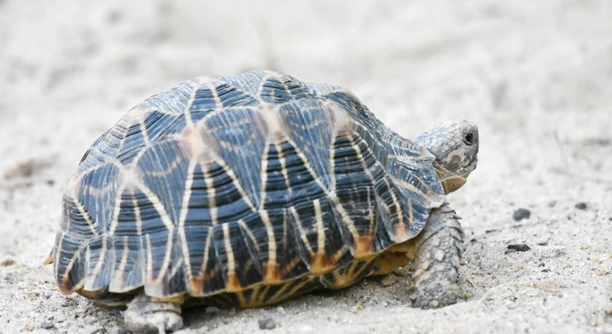
Turtles are fascinating pets, and it’s common to wonder why they sometimes sleep outside the water. Observing your turtle’s behavior can provide clues to its health and well-being, which may require attention.
Turtles often sleep outside of the water due to factors such as temperature fluctuations, environmental stress, or the need for basking. These behaviors can indicate natural habits or signs of discomfort that need to be addressed promptly for their health.
Understanding the causes of this behavior will help maintain a comfortable habitat for your turtle, ensuring its well-being both inside and outside the water.
Reasons for Sleeping Outside the Water
Turtles often sleep outside the water to regulate their body temperature. They are ectothermic, meaning they rely on their environment to stay warm. Basking on land helps them absorb heat from the sun or a heat lamp. This behavior is completely natural and essential for their health. If the temperature of their aquatic environment is too cold, they may seek out warmer spots outside the water. It’s important to ensure the water temperature stays consistent and provides enough warmth for your turtle’s needs.
If the basking area is too cold or too hot, it can affect their sleeping patterns. Proper temperature regulation is crucial.
Additionally, turtles need exposure to UVB light to maintain their shell health and metabolism. If they don’t get enough UVB exposure in the water, they may leave to bask in the light. This ensures they are getting the necessary nutrients from the sun to stay healthy. Without proper UVB light, they could develop health problems, including shell rot or metabolic bone disease.
Signs of Stress in Turtles
Stress is another factor that can cause turtles to sleep outside the water.
A turtle might leave the water if it feels unsafe or stressed by changes in its environment. Environmental factors such as sudden noise, other pets, or an overcrowded tank can trigger this behavior.
Temperature Fluctuations
If your turtle is sleeping outside the water, temperature imbalances may be the issue. Turtles need both warm water and a basking area to regulate their body temperature. When the water is too cold, they may leave to find a warmer place to rest.
To prevent this, check the water temperature regularly. A water heater may be necessary to maintain a consistent temperature, typically between 75-80°F. If the basking area is too cold or the room temperature fluctuates significantly, they may leave the water in search of comfort. Ensure your turtle has access to a warm spot, such as a heat lamp.
A drop in water temperature can also weaken your turtle’s immune system. When they are too cold, their metabolism slows, and they can become more susceptible to illness. Keeping the water at an ideal temperature will help keep your turtle healthy and active.
The Need for UVB Light
Turtles require UVB light for shell health and to properly digest calcium. Without proper exposure, they may leave the water in search of a basking spot with adequate UVB rays.
UVB rays are essential for the turtle’s vitamin D3 production, which helps them absorb calcium. Without this, they are at risk of developing soft or deformed shells. A UVB light should be positioned over the basking area, as water filters out most UVB rays. Keep in mind that UVB lights lose their effectiveness after a certain time, so replace the bulbs every six months.
Turtles instinctively know they need UVB light, and if they aren’t getting enough, they may leave the water to bask under the light. Make sure the basking area provides the right temperature and UVB exposure. A combination of a heat source and UVB light will ensure your turtle gets the nutrients it needs.
Basking Behavior
Turtles naturally bask outside of the water for several hours each day. This allows them to absorb heat, dry off, and maintain a healthy shell. If your turtle is sleeping outside the water, it may simply be fulfilling this instinct.
Basking also helps turtles regulate their body temperature. It’s crucial for their overall well-being. If your turtle has an appropriate basking spot, they will use it regularly, even when they seem to sleep. Make sure the basking area is easily accessible and offers a warm, dry surface.
Water Quality Issues
Poor water quality can lead to turtles leaving the water. If the water is too dirty, your turtle may avoid it and find a more comfortable place to rest.
Turtles are sensitive to water conditions, especially if ammonia, nitrates, or other harmful chemicals are present. Regular water changes and filter maintenance will help prevent these problems. Clean, clear water promotes a healthy environment for your turtle and encourages them to stay in their aquatic habitat.
FAQ
Why does my turtle sleep outside the water?
Turtles may sleep outside the water for several reasons. One common cause is the need for basking. Turtles require warmth to regulate their body temperature, and the water may not always provide it. If the water temperature is too low, they seek out a dry spot where they can warm up. Additionally, turtles need UVB light for proper calcium absorption, and they may leave the water in search of a suitable basking spot. If your turtle is regularly sleeping outside the water, check the water temperature and UVB light levels in the tank.
Is it normal for turtles to sleep outside the water?
Yes, it is normal for turtles to sleep outside the water, especially if they are basking. They need to spend time on land to dry off, warm up, and absorb UVB rays from the light. However, if your turtle is constantly outside the water and not basking, it could indicate a problem with the tank’s water temperature, lighting, or quality.
How long should a turtle bask each day?
Turtles typically need to bask for 2 to 4 hours a day, depending on their species and environmental conditions. Basking helps them maintain the right body temperature and absorb essential UVB rays. If the basking area is set up correctly, your turtle will naturally spend time there each day.
Can a turtle stay out of the water for too long?
While turtles can spend time outside the water, staying out for extended periods may cause dehydration or stress. Turtles should always have access to water and should not be kept out for long periods. Make sure they have a comfortable and safe place to rest both in and out of the water.
What should I do if my turtle is always outside the water?
If your turtle is consistently outside the water, check the temperature, UVB lighting, and water quality. Make sure the water temperature is within the proper range (typically 75-80°F), and that your turtle has access to a good basking area with a heat lamp and UVB light. If the environment is correct, but the behavior persists, consult with a veterinarian to rule out any health issues.
How can I encourage my turtle to stay in the water?
To encourage your turtle to stay in the water, ensure that the water temperature is ideal and that the basking area is set up with proper lighting. You can also improve the water quality by maintaining a clean tank and using a good filtration system. If your turtle is still avoiding the water, it may be a sign of stress, discomfort, or illness.
Can stress cause a turtle to sleep outside the water?
Yes, stress can cause a turtle to leave the water. Environmental stressors like loud noises, tank mates, or poor water conditions can make a turtle feel unsafe. If your turtle is avoiding the water due to stress, try to create a more peaceful and stable environment. This might involve moving the tank to a quieter location or adjusting the tank’s layout.
Is it safe to let my turtle sleep outside the water?
It is generally safe for a turtle to sleep outside the water as long as they have access to water and a suitable basking spot. However, if they are outside the water for long periods, it could indicate a problem with the tank environment. It’s essential to monitor the situation and make sure the turtle’s needs are met.
Why is my turtle sleeping in the corner of the tank?
Turtles often sleep in the corners of the tank for comfort or security. It may be a preferred resting spot where they feel safe, or it could be a sign that the tank setup needs improvement. Check the tank’s layout and make sure there are no sharp objects or areas where the turtle could get stuck. A lack of hiding spots or poor water quality can also lead to this behavior.
How can I tell if my turtle is sick?
Signs that your turtle may be sick include lethargy, lack of appetite, abnormal swimming patterns, and changes in shell appearance. If your turtle is spending more time outside the water and showing other concerning signs, it’s best to consult a veterinarian for a thorough examination. Illnesses like respiratory infections or shell rot can cause your turtle to act differently.
Can I leave my turtle outside the water for the night?
Turtles should always have access to water. Leaving your turtle outside the water overnight can cause dehydration and stress. If your turtle needs to rest outside the water, make sure it has access to a comfortable, safe basking spot, but it should always be able to return to the water as needed.
What can I do to make my turtle’s tank more comfortable?
To make your turtle’s tank more comfortable, ensure the water temperature is within the ideal range (75-80°F), and the basking area is equipped with a heat lamp and UVB light. Keep the water clean and well-filtered, and avoid overcrowding the tank. Adding hiding spots or plants can also help make your turtle feel secure and comfortable in its environment.
Final Thoughts
Turtles are unique creatures with specific environmental needs to thrive. If your turtle is spending a lot of time outside the water, it’s important to consider factors like temperature, lighting, and water quality. Basking is a natural behavior for turtles, helping them regulate their body temperature and absorb UVB rays, which are crucial for their health. However, if your turtle is consistently staying out of the water and not using its basking area properly, it may be a sign that something in the environment needs adjusting. Ensuring the water temperature and basking spot are at the right levels is essential for a healthy, comfortable turtle.
It’s also important to remember that turtles can become stressed or uncomfortable due to poor water quality, overcrowding, or even other pets in the tank. Stress can lead to changes in behavior, including spending more time outside the water. By maintaining a clean, well-filtered tank and providing a peaceful environment, you can reduce the chances of stress affecting your turtle’s behavior. Regular water changes and monitoring the tank’s temperature and light will help ensure your turtle feels secure in its habitat.
If adjustments to the tank environment don’t resolve the issue, it might be time to consult with a veterinarian. Persistent changes in behavior, such as always sleeping outside the water, could indicate underlying health issues. A veterinarian specializing in reptiles can provide a thorough checkup to ensure your turtle is in good health. Addressing any issues early on will help your turtle live a longer, happier life in its habitat. By observing your turtle’s behavior closely and providing the proper environment, you can ensure that it stays healthy and comfortable, whether it’s basking or swimming in the water.

Hello,
If you enjoy the content that we create, please consider saying a "Thank You!" by leaving a tip.
Every little bit helps us continue crafting quality advice that supports the health, happiness, and well-being of pets around the world, for pets of all shapes, sizes, and species.
We really appreciate the kindness and support that you show us!