
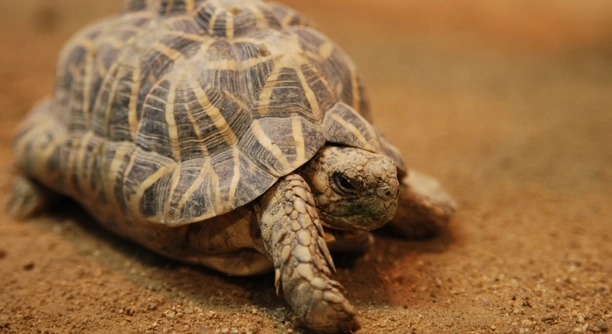
Turtles are fascinating creatures, but sometimes their behavior can leave you scratching your head. One common issue is when they seem to stay in one spot all day, leaving owners wondering if something’s wrong.
There are several reasons why your turtle may be sitting in one spot. It could be due to stress, temperature issues, or even a health problem. Ensure the environment is ideal, and watch for signs of illness or discomfort.
Understanding the root cause can help you create a healthier environment for your turtle. Let’s explore what might be going on and how you can provide the care your pet needs.
Environmental Factors Affecting Your Turtle
If your turtle is sitting in one spot all day, the first thing to check is its environment. Turtles are sensitive to changes in temperature, humidity, and lighting. They need a warm basking spot and a cool area in their tank to regulate body temperature properly. Without these, they may feel uncomfortable and stay in one position.
If the water temperature is too cold or too hot, it can stress your turtle and cause it to be inactive. Similarly, if the basking spot isn’t warm enough, it may prevent the turtle from moving around. Make sure the lighting is adequate too; without proper UVB light, turtles may become lethargic and unresponsive. Always maintain a steady temperature range for both land and water sections of the tank.
You should also check the humidity level, as turtles rely on moisture for their skin and respiratory health. If any of these conditions are off, your turtle may become inactive or just stay in one spot, not showing much interest in moving around. Adjusting the tank’s setup can improve their health and activity levels.
Health Issues to Look Out For
A turtle’s lack of movement could indicate a health issue.
If the environment seems fine, it’s time to consider medical problems. Turtles can suffer from various illnesses that make them more sedentary, such as respiratory infections or shell problems. A decrease in appetite, difficulty moving, or a change in behavior can be signs of an underlying issue that needs attention. If your turtle is not responding to changes in the environment, it’s essential to consult a vet. It’s always better to get an expert’s opinion to ensure your pet’s well-being.
Turtles can develop respiratory infections, which may cause them to sit in one place and breathe with difficulty. Another common health issue is shell rot, which can lead to weakness and a lack of movement. Poor nutrition can also contribute to lethargy, especially if the turtle is not getting the proper balance of vitamins and minerals. If your turtle is experiencing any of these symptoms, immediate care is crucial. Your vet will be able to guide you on the best course of action for treatment.
Temperature and Lighting Problems
If your turtle is sitting in one spot, poor lighting or incorrect temperatures may be to blame. Turtles need a proper light cycle to stay healthy. Without enough UVB light, they can become sluggish and inactive.
Turtles are cold-blooded and rely on their environment to regulate body temperature. If the basking area is too cold or if the water temperature is inconsistent, your turtle may feel uncomfortable, causing it to stay in one place. The ideal temperature for the basking area should be between 85-90°F, while the water should be around 75-80°F. Make sure the heat source is effective and that your turtle can easily access the warmer spots.
Proper lighting is also important. Without UVB light, turtles can’t metabolize calcium properly, leading to weakness or lethargy. If your turtle isn’t getting adequate light exposure, it might stay still or show less interest in moving around. You should aim for 10-12 hours of light exposure every day to keep them active and healthy.
Stress and Anxiety
Turtles can also become inactive due to stress.
Stress in turtles can arise from sudden changes in their habitat or routine. A new tank mate, noisy surroundings, or a move to a new environment may all cause your turtle to feel unsettled. Stress can lead to a lack of movement, as your turtle may feel too overwhelmed to explore or interact. It’s important to create a peaceful environment with minimal disturbances for your turtle.
Sometimes, the presence of other animals, like pets or loud noises, may make your turtle feel unsafe. If your turtle’s behavior changes suddenly, consider whether there’s been any shift in its surroundings or daily routine. Stress can suppress its natural activity levels. Providing a calm and stable environment can help ease the stress and encourage movement. Be patient and allow your turtle time to adjust.
Illness and Injury
If your turtle stays in one spot, illness or injury might be the cause. Turtles are known to hide signs of discomfort, making it harder to spot issues right away.
Look for signs like swelling, discharge, or difficulty moving. Any injury to the shell or limbs can cause your turtle to stay still to avoid further pain. A turtle that is sick or hurt may be more prone to staying in one place and not moving around as usual. Be sure to check for any visible wounds or abnormal behavior that could indicate an underlying issue. A vet’s advice will be key for proper treatment and recovery.
Diet and Nutrition
A poor diet can lead to inactivity in turtles.
If your turtle’s food intake is insufficient or lacks necessary nutrients, it can become lethargic and spend more time sitting. Make sure your turtle is getting the right balance of protein, fiber, and calcium. A well-balanced diet will ensure your turtle stays active and healthy.
Turtles require a mix of vegetables, fruits, and protein to thrive. A lack of calcium, in particular, can cause weakness and inactivity, leading to the turtle sitting in one spot. Make sure to provide a varied diet with proper vitamin and mineral content, and avoid feeding them too much high-fat food like processed pellets.
FAQ
Why is my turtle sitting in one spot and not moving?
There are several reasons why a turtle might sit in one spot all day. The most common cause is environmental factors, such as improper temperature or lighting. Turtles need a proper balance of warmth to regulate their body temperature. If the basking area or water temperature is too cold or too hot, your turtle may feel uncomfortable and stay still. Additionally, inadequate UVB lighting can make a turtle sluggish and lethargic. If the turtle’s habitat is not meeting its needs, it may become inactive.
Another cause could be health-related. Turtles can suffer from infections or injuries, which may lead to immobility or reduced activity. Shell rot, respiratory infections, or poor nutrition can all cause a turtle to act lethargic and not move around much. Stress or anxiety from changes in the environment or interactions with other pets can also affect a turtle’s behavior. It’s important to monitor the turtle closely for any signs of illness or discomfort.
How can I tell if my turtle is sick or just lazy?
It can be tough to tell if your turtle is sick or simply inactive. A key indicator is behavior changes. If your turtle is usually active and suddenly starts sitting still, it could be a sign of illness. Look for other signs, such as a lack of appetite, difficulty breathing, swollen eyes, or discharge from the nose or mouth. These symptoms indicate that something might be wrong. If your turtle is still eating well, basking, and moving around occasionally, it might just be resting.
If you notice your turtle becoming increasingly weak, not moving its limbs, or showing signs of shell rot or an abnormal shell appearance, these are clear indicators of illness. It’s best to consult a veterinarian to rule out any medical conditions and get proper treatment. Early detection can make a big difference in your turtle’s recovery.
Can a cold tank make my turtle inactive?
Yes, a cold tank can definitely make your turtle inactive. Turtles are cold-blooded and rely on their environment to regulate their body temperature. If the water temperature is too low, it can slow down their metabolism and make them lethargic. A temperature range of 75-80°F is generally ideal for most turtles, with a basking spot reaching up to 85-90°F. If your turtle is sitting in one spot, check the temperature of both the water and basking area.
If the tank is too cold, your turtle may stop eating, become sluggish, or show no interest in moving around. Use a reliable thermometer to ensure the tank is at the right temperature. Consider adding a water heater or adjusting the basking light to create a comfortable environment.
Does a turtle’s diet affect its activity level?
Yes, a turtle’s diet can directly affect its activity level. If a turtle is not getting enough food or the right nutrients, it may become sluggish and inactive. Turtles require a balanced diet of vegetables, fruits, and protein. A lack of calcium, for example, can lead to weak bones and lethargy. Inadequate protein or fiber can also cause a turtle to feel weak and disinterested in moving.
Feeding your turtle the proper amounts of food, with the right balance of vitamins and minerals, helps keep it healthy and active. Offer a mix of leafy greens, such as kale and collard greens, alongside protein-rich foods like insects, fish, or commercial turtle pellets. Ensure you also provide a calcium supplement, especially if your turtle doesn’t get enough from its food. A healthy diet supports overall activity and vitality.
How can I reduce stress in my turtle?
Stress in turtles can be caused by environmental changes, too much noise, or the presence of other pets. A stressed turtle may stay in one spot and appear withdrawn. To reduce stress, ensure the turtle’s tank is in a quiet, safe area with minimal disturbances. Avoid placing the tank near loud noises, such as TVs or speakers, and consider keeping the tank in a room where other pets can’t easily access it.
Additionally, if your turtle has recently been introduced to a new environment or tank mate, give it time to adjust. Avoid overcrowding the tank or introducing animals that may stress it out. Consistency is key when it comes to a turtle’s habitat—try to maintain the same setup and routine so your turtle can feel comfortable and secure.
Final Thoughts
If your turtle is staying in one spot all day, it’s important to first check its environment. Turtles need a proper balance of temperature, lighting, and humidity to stay active and healthy. A tank that is too cold or lacks the right amount of UVB lighting can make your turtle feel sluggish and less likely to move. Ensure your turtle has a comfortable basking area with the right temperature and proper lighting to meet its needs. It’s essential to monitor these factors regularly to avoid inactivity due to environmental stress.
Health is another major factor to consider. If your turtle is showing signs of illness, such as not eating, difficulty breathing, or abnormal shell appearance, it’s crucial to seek veterinary help. Turtles are known to hide their pain, so it may not always be obvious when they’re feeling unwell. If you notice any changes in your turtle’s behavior or activity level, it may be time to visit the vet to rule out any medical issues like infections or injuries. Early treatment can prevent bigger health problems down the road.
Lastly, your turtle’s diet plays a key role in its overall well-being. An unbalanced diet or lack of proper nutrients can lead to lethargy and inactivity. Be sure your turtle receives a variety of foods to support its health, including leafy greens, protein, and calcium. A well-balanced diet helps maintain energy levels and encourages your turtle to stay active. Keeping a close eye on your turtle’s environment, health, and diet will ensure it remains healthy, happy, and moving around as it should.

Hello,
If you enjoy the content that we create, please consider saying a "Thank You!" by leaving a tip.
Every little bit helps us continue crafting quality advice that supports the health, happiness, and well-being of pets around the world, for pets of all shapes, sizes, and species.
We really appreciate the kindness and support that you show us!