
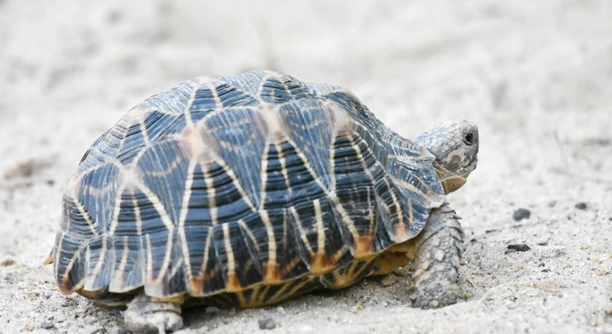
Turtles are unique creatures with distinct behaviors, and sometimes, their actions can leave us puzzled. If you’ve noticed your turtle scraping its front legs, it’s important to understand what may be behind this curious behavior.
The most common reason for a turtle scraping its front legs is related to stress, discomfort, or an environmental issue, such as an improper tank setup. Other possibilities include trying to shed skin or simply expressing natural behavior patterns.
Understanding the causes of this behavior can help you make adjustments that will improve your turtle’s well-being. Let’s explore what might be going on and how you can help.
Common Reasons for Scraping Behavior
Turtles may scrape their front legs for a variety of reasons. Often, it’s due to stress or discomfort. If your turtle is in an environment that doesn’t suit its needs, like a tank that’s too small or has the wrong water conditions, it can result in this behavior. Other reasons may include improper lighting or poor diet, both of which can affect your turtle’s overall health and well-being. Additionally, if the substrate in the tank is too rough, it could irritate the turtle’s legs, leading it to scrape against surfaces. Pay attention to changes in behavior, as they could indicate underlying issues with the environment.
The best way to handle this is to create a comfortable, stress-free environment for your turtle. Make sure the water temperature is optimal, and the tank is big enough for your turtle to move around.
Improper lighting is another factor to consider. Turtles need specific UVB lighting to help them metabolize calcium and keep their shells healthy. If the lighting is insufficient or too intense, it could cause your turtle discomfort, leading to scratching behavior. Be sure to provide the right lighting and replace the bulbs regularly. Keep an eye on your turtle’s skin as well. If it seems to be shedding excessively or appears irritated, it may be a sign of poor water quality or an infection.
What to Do If Your Turtle Is Scraping
If your turtle is constantly scraping its legs, take some time to inspect its environment. Ensure that the water is clean, the tank has enough space, and that the temperature is in the appropriate range.
Monitor your turtle’s behavior to see if the scraping continues or worsens. If the problem persists, consider consulting a vet for a thorough check-up to rule out any underlying health issues.
Environmental Factors to Consider
The environment your turtle lives in plays a huge role in its behavior. If the water is too cold or too warm, it may cause discomfort, making your turtle scrape its legs. Dirty water can also lead to skin irritation, prompting the scraping.
The tank’s setup can be a factor. Ensure your turtle has enough space to swim and move freely. If the tank is overcrowded or poorly designed, your turtle may feel stressed, which often leads to unusual behaviors. Scraping could also be a sign that your turtle is trying to adjust to a new or uncomfortable surface.
Check the tank’s substrate, too. A rough or hard surface could irritate your turtle’s legs. Try adding a smooth, soft substrate or even a variety of rocks that can help your turtle feel more comfortable. Also, avoid sharp decorations that might scratch its skin.
Health Issues to Look Out For
If the environment seems fine and the scraping persists, consider possible health issues. It could be a sign of an infection or a fungal problem that is affecting your turtle’s skin.
Look for other symptoms such as swelling, redness, or unusual discharge from the skin. These could point to a skin infection or an injury. It’s important to take your turtle to a vet if you notice these signs. Skin problems left untreated can become severe and cause long-term damage to your turtle’s health.
Another health concern could be metabolic bone disease, which affects turtles that aren’t getting enough calcium. This condition can lead to brittle bones and even cause physical discomfort that results in scraping. Make sure your turtle’s diet includes the proper nutrients, especially calcium, to avoid these health issues.
Tank Size and Space
A cramped tank can lead to stress, which may cause your turtle to scrape its legs. Make sure the tank is spacious enough for your turtle to swim and explore comfortably.
If your turtle doesn’t have enough room, it may constantly scrape its legs as it tries to move or adjust. A larger tank will not only reduce stress but will also improve your turtle’s overall quality of life.
Water Quality
Poor water quality is a major cause of skin irritation. Dirty water can lead to infections, rashes, and discomfort, prompting your turtle to scrape its legs.
Clean the tank regularly to ensure the water stays fresh. Use a proper filtration system to maintain clean water, and check water parameters like pH, hardness, and temperature to ensure they meet your turtle’s needs.
Diet and Nutrition
A poor diet can lead to various health issues, including skin problems. Ensure your turtle receives a balanced diet rich in the necessary nutrients.
If your turtle isn’t getting enough calcium, it could develop metabolic bone disease, which may cause physical discomfort and scraping behavior. Include appropriate supplements, such as calcium, to support its health.
FAQ
Why does my turtle scrape its front legs?
Turtles may scrape their front legs due to stress, discomfort, or environmental factors like improper tank conditions. Poor water quality, incorrect lighting, or a tank that’s too small can all cause your turtle to act out in this way. It could also be a natural behavior or an attempt to shed skin.
Is scraping a sign of an infection?
Scraping could indicate an infection, especially if your turtle shows other signs like redness, swelling, or abnormal discharge. A skin infection may cause irritation, which makes your turtle scrape its legs. If these symptoms persist, a visit to the vet is necessary for proper diagnosis and treatment.
How do I know if the water is causing the scraping?
If your turtle is scraping its legs, check the water for cleanliness and temperature. Dirty water or water that is too warm or cold can irritate your turtle’s skin. Ensure the water is filtered and regularly changed. Maintain the proper temperature range to avoid discomfort.
Can poor lighting make my turtle scrape its legs?
Yes, inadequate lighting can contribute to discomfort. Turtles need UVB light to help with calcium absorption and overall health. Without proper lighting, your turtle could feel stressed or unwell, leading to behaviors like scraping. Make sure you provide the correct type of UVB light for your turtle.
What tank size is best for my turtle?
A tank that is too small can cause stress and lead to scraping behavior. The general recommendation for a turtle tank is at least 40 gallons for one turtle, with extra space for each additional turtle. The bigger the tank, the better it is for your turtle’s comfort.
How can I reduce my turtle’s stress?
To reduce stress, ensure your turtle’s environment is comfortable. Provide a spacious tank, maintain proper water quality, and keep the water temperature within the appropriate range. Also, avoid sudden changes in the environment and minimize noise and disturbances around the tank.
Does substrate affect my turtle’s legs?
Yes, rough or sharp substrates can irritate your turtle’s legs, causing it to scrape against surfaces. Choose a smooth and soft substrate to prevent this. Some turtles prefer a mix of rocks or gravel, while others do better with softer bedding materials like sand or soft tiles.
Could my turtle be trying to shed skin?
Turtles shed their skin in patches, and this natural process can cause them to scrape their legs. If your turtle seems to be shedding more than usual, this behavior might be part of the process. However, excessive or abnormal shedding can also signal poor water conditions or health problems.
How can I check if my turtle has enough calcium?
If your turtle isn’t getting enough calcium, it might show signs like soft shells, lethargy, or scraping behavior. Ensure that your turtle’s diet includes appropriate sources of calcium, such as calcium-rich foods or supplements. Proper UVB lighting also plays a key role in calcium metabolism.
Is it safe to use chemicals to clean my turtle’s tank?
Avoid using harsh chemicals to clean your turtle’s tank, as they can harm your turtle. Stick to aquarium-safe cleaning products, or simply use water and mild soap. Be sure to rinse the tank thoroughly before refilling it to ensure no residue is left behind.
How can I help my turtle feel comfortable in its tank?
Providing a suitable tank environment is key to your turtle’s comfort. Make sure the tank is large enough, with clean water, the right temperature, and proper UVB lighting. Adding hiding spots, basking areas, and plants can help your turtle feel secure and reduce stress.
What should I do if my turtle keeps scraping its legs despite changes?
If the scraping continues even after adjusting the tank conditions, diet, or lighting, it could be a sign of an underlying health issue. Consider taking your turtle to the vet for a check-up. The vet can identify any infections or health concerns and provide appropriate treatment.
Can I stop my turtle from scraping its legs?
While you may not be able to fully stop the scraping, you can reduce the chances of it happening by creating a suitable environment. Ensure the tank is spacious, the water is clean, and the lighting is correct. Providing proper care and monitoring your turtle will help improve its well-being and reduce stress-related behavior.
Final Thoughts
Turtles are sensitive creatures, and their behavior often reflects the conditions of their environment. Scraping their front legs can be a sign that something is not right, whether it’s an issue with the tank setup, water quality, lighting, or even their diet. Addressing these factors is essential to ensure that your turtle remains healthy and happy. Regularly checking the tank for proper temperature, cleanliness, and space can go a long way in reducing stress, which is often a key cause of this behavior.
In addition to environmental factors, it’s important to monitor your turtle for any signs of health problems. Scraping may sometimes indicate a skin infection or a nutritional deficiency. In such cases, taking your turtle to a vet for a thorough examination is a wise choice. Health problems can often be prevented by ensuring your turtle has the right diet, proper UVB lighting, and enough space to move around. By keeping an eye on your turtle’s behavior and making necessary adjustments, you can avoid more serious issues down the road.
Lastly, creating a stress-free and comfortable environment is the best way to prevent scraping. This includes providing a spacious tank, clean water, and the right lighting, as well as offering a balanced diet with the necessary nutrients. While occasional scraping may happen, paying attention to the signs and making the right changes will help your turtle live a healthy life. Ensuring the right care and taking prompt action when needed will help your turtle feel secure, reduce stress, and minimize unwanted behaviors like scraping.

Hello,
If you enjoy the content that we create, please consider saying a "Thank You!" by leaving a tip.
Every little bit helps us continue crafting quality advice that supports the health, happiness, and well-being of pets around the world, for pets of all shapes, sizes, and species.
We really appreciate the kindness and support that you show us!