
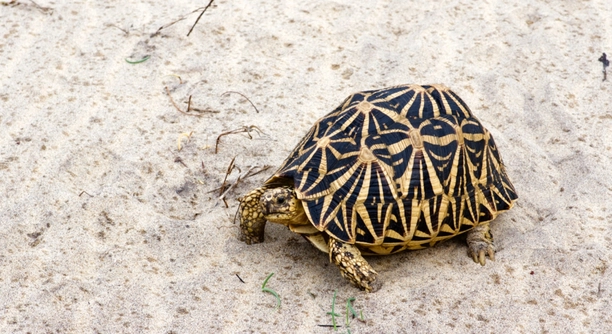
Is your turtle constantly tilting its head upward, leaving you unsure about what it means? Observing this behavior may seem unusual, but there are several reasons why turtles display this movement, ranging from environmental factors to potential health concerns.
Turtles often look up due to curiosity, respiratory infections, or environmental factors like lighting and temperature. Poor water quality and vitamin deficiencies can also contribute to this behavior. Observing additional symptoms can help determine if veterinary care is necessary.
Recognizing the cause behind this movement is essential for your turtle’s well-being. Understanding its behavior can help you create a healthier habitat and address any potential health concerns before they become serious.
Common Reasons Your Turtle Looks Up
Turtles may tilt their heads upward for various reasons, including natural curiosity and environmental responses. Sometimes, they do this to observe their surroundings, react to light changes, or adjust their posture while basking. However, frequent or excessive head-tilting could indicate an underlying issue. Factors such as poor water quality, incorrect temperatures, or improper lighting can contribute to this behavior. Additionally, a lack of essential vitamins, particularly vitamin A, may cause swelling in the eyes or respiratory issues, leading to unusual movements. Monitoring other signs like lethargy, loss of appetite, or excessive mucus can help determine if intervention is needed.
Environmental stressors often influence turtle behavior. A tank that is too hot or cold, a lack of hiding spots, or improper UVB lighting can create discomfort. Ensuring a well-maintained habitat with clean water, balanced temperatures, and proper lighting is essential for your turtle’s well-being.
Making small adjustments to their habitat, such as improving filtration or adjusting basking temperatures, can significantly impact their health. Keeping a close eye on their daily activities and any additional symptoms can help you determine if further action is necessary.
Health Concerns to Consider
If your turtle frequently looks up and shows signs of respiratory distress, a veterinary check-up is recommended. Labored breathing, wheezing, or open-mouth breathing may indicate a respiratory infection.
Respiratory infections in turtles often stem from improper temperatures or humidity levels. Cold environments can weaken their immune system, making them susceptible to bacterial infections. Symptoms include nasal discharge, lethargy, and difficulty submerging. Providing a warm, stable habitat with proper UVB lighting is essential for preventing illness. Vitamin deficiencies, particularly a lack of vitamin A, can also lead to swollen eyes and breathing difficulties. Poor diet and inadequate supplementation may contribute to these issues. Including vitamin-rich foods like dark leafy greens and carrots can support overall health.
If your turtle continues to display abnormal head movements despite improving its environment, a veterinarian can assess for underlying conditions. Prompt attention ensures early detection and appropriate treatment, preventing further complications.
Environmental Factors That May Cause This Behavior
Tank conditions play a significant role in a turtle’s behavior. Inconsistent temperatures, poor lighting, or unclean water can lead to stress, causing unusual movements like looking up. Ensuring the right habitat setup is key to keeping your turtle comfortable and healthy.
A proper basking area with adequate heat and UVB lighting is essential. Without it, turtles may develop metabolic bone disease, leading to weakness and abnormal behaviors. The water temperature should be consistent, typically between 75-80°F, while the basking area should be warmer. A reliable thermometer helps maintain these conditions. Poor water quality can also be a concern. Ammonia buildup from waste can irritate a turtle’s eyes and skin, prompting unusual head movements. Regular water changes, a strong filtration system, and testing for harmful chemicals ensure a safe environment.
Inadequate space can also affect their behavior. Turtles need enough room to swim, bask, and explore. A cramped tank may cause stress and unusual activity. Choosing a properly sized tank allows for natural movement and a healthier lifestyle. A general rule is to provide at least 10 gallons of water per inch of shell length. This helps mimic their natural environment and reduces unnecessary stress.
How to Help Your Turtle
Checking tank conditions is the first step in addressing unusual behavior. Ensure the water is clean, temperatures are stable, and the basking area has proper lighting. Observing your turtle’s eating habits and daily activity can provide clues about its health and overall well-being.
A well-balanced diet plays a key role in preventing health issues. Turtles require a mix of commercial pellets, leafy greens, and occasional protein sources like insects or small fish. Vitamin A-rich foods, such as carrots and sweet potatoes, support eye and respiratory health. Providing cuttlebone helps maintain strong shells. If dietary adjustments do not improve behavior, supplements may be necessary.
If your turtle continues to tilt its head upward frequently, a veterinary visit is recommended. A professional can assess for infections, vitamin deficiencies, or neurological issues. Early detection and treatment can prevent complications, ensuring your turtle stays healthy and active. Keeping a close watch on its behavior and making necessary adjustments will contribute to a better quality of life.
Signs That Require Veterinary Attention
Persistent head tilting, along with labored breathing or mucus around the mouth and nose, may indicate a respiratory infection. Lethargy, loss of appetite, and difficulty swimming are additional warning signs. Immediate veterinary care can help prevent complications and ensure proper treatment.
Swollen eyes, frequent sneezing, or excessive yawning could suggest a vitamin A deficiency or an underlying illness. If your turtle shows these symptoms despite environmental adjustments, professional evaluation is necessary. A veterinarian can prescribe supplements or antibiotics if needed to address the condition effectively.
Preventative Measures for Long-Term Health
Maintaining proper tank conditions is the best way to prevent health issues. Consistent temperatures, clean water, and appropriate UVB lighting support overall well-being. A varied diet with essential nutrients helps prevent deficiencies that could lead to abnormal behaviors. Regular tank cleaning and monitoring water parameters reduce the risk of infections, keeping your turtle healthy.
Final Thoughts
Observing changes in your turtle’s behavior helps identify potential health concerns early. Paying attention to symptoms and making necessary adjustments to their environment can improve their quality of life. If unusual behavior persists, seeking veterinary advice ensures your turtle receives the proper care it needs.
FAQ
Why does my turtle keep tilting its head up while swimming?
A turtle tilting its head up while swimming could indicate a respiratory infection. Other symptoms, such as wheezing, mucus discharge, or lethargy, may confirm this condition. Infections often result from inadequate water temperatures or poor tank hygiene. A veterinarian should assess the turtle if symptoms persist.
Can stress cause my turtle to look up frequently?
Yes, stress can lead to unusual behaviors, including frequent head-tilting. Changes in the environment, improper tank size, or excessive handling can cause anxiety. Ensuring a stable habitat, reducing disturbances, and providing proper hiding spots can help minimize stress-related behaviors in turtles.
Is head-tilting a sign of a vitamin deficiency?
Vitamin A deficiency can cause neurological and respiratory issues, leading to behaviors like frequent head-tilting. Turtles require a balanced diet that includes leafy greens, vegetables, and vitamin-rich foods. If a deficiency is suspected, offering vitamin A supplements or consulting a veterinarian is recommended.
How does water quality affect my turtle’s behavior?
Poor water quality can cause irritation and discomfort, leading to unusual movements such as head-tilting. High ammonia or nitrate levels can affect a turtle’s eyes and respiratory system. Regular water changes, proper filtration, and routine testing help maintain clean and safe tank conditions.
Could lighting issues cause my turtle to keep looking up?
Yes, inadequate UVB lighting can lead to metabolic bone disease, which affects coordination and movement. Turtles need exposure to UVB light for proper calcium absorption and bone development. Ensuring a reliable UVB bulb is used and replaced every six months helps prevent such issues.
What should I do if my turtle keeps looking up despite good tank conditions?
If the environment is properly maintained but the behavior continues, a veterinary visit is advisable. Persistent head-tilting without environmental causes could indicate neurological disorders or infections that require medical attention. A professional evaluation ensures early diagnosis and appropriate treatment.
Does my turtle’s species affect this behavior?
Some species exhibit natural behaviors that may resemble head-tilting. For example, certain aquatic turtles may extend their necks to observe their surroundings. However, persistent or excessive head-tilting is not typical and should be monitored for potential health concerns.
Can my turtle’s diet contribute to this behavior?
An unbalanced diet lacking essential nutrients can cause health problems that lead to abnormal behaviors. Turtles require a mix of proteins, vegetables, and calcium sources like cuttlebone. Feeding a high-quality, varied diet supports overall health and reduces the risk of nutritional deficiencies.
Should I be concerned if my turtle occasionally looks up?
Occasional head-tilting is not always a cause for concern. Turtles may naturally stretch their necks while exploring their environment. However, if the behavior becomes frequent or is accompanied by other symptoms, assessing tank conditions and health status is necessary.
When should I take my turtle to a vet?
Veterinary care is needed if head-tilting is accompanied by lethargy, breathing issues, swelling, or changes in eating habits. Early diagnosis can prevent complications and improve treatment outcomes. Regular checkups help ensure your turtle remains healthy and receives proper care when needed.
Final Thoughts
Understanding why your turtle keeps looking up is essential for ensuring its well-being. This behavior can result from natural curiosity, environmental stress, or underlying health issues. Identifying the cause involves evaluating tank conditions, diet, lighting, and potential illnesses. Maintaining clean water, providing a balanced diet, and ensuring proper UVB exposure can prevent many common issues. If the behavior is persistent or accompanied by other concerning symptoms, seeking veterinary care is the best course of action. Early intervention can help address health problems before they become severe, ensuring your turtle remains healthy and active.
Observing your turtle’s behavior regularly allows you to detect changes that may indicate distress or illness. While occasional head-tilting can be normal, frequent or exaggerated movements should not be ignored. A stable environment with proper temperature regulation, clean water, and minimal stressors can significantly impact your turtle’s overall health. Adjusting tank conditions and monitoring behavioral patterns can often resolve minor concerns without medical intervention. However, if the behavior continues despite optimal care, professional advice is necessary. Turtles rely on consistent care, and addressing potential issues early can prevent long-term complications.
Caring for a turtle involves more than just providing food and water; it requires attention to environmental and health factors. Each turtle is unique, and understanding its natural behavior is key to recognizing when something is wrong. By staying informed and proactive, you can ensure your turtle thrives in its habitat. Small changes, such as improving diet variety, upgrading lighting, or adjusting water quality, can make a significant difference. Responsible care not only enhances your turtle’s quality of life but also strengthens the bond between you and your pet.

Hello,
If you enjoy the content that we create, please consider saying a "Thank You!" by leaving a tip.
Every little bit helps us continue crafting quality advice that supports the health, happiness, and well-being of pets around the world, for pets of all shapes, sizes, and species.
We really appreciate the kindness and support that you show us!