
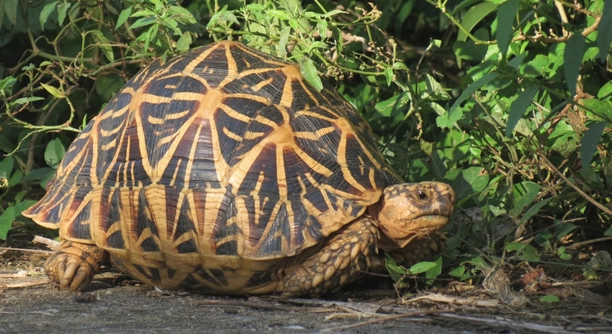
Turtles are fascinating creatures, and sometimes their behaviors can leave us puzzled. One such behavior is when they start licking their shells. It might seem odd at first, but it’s more common than you think.
Turtles may lick their shells as part of their grooming routine or to gather information about their environment. This behavior can also indicate a desire to maintain hydration or, in some cases, to alleviate irritation or discomfort on the shell.
Understanding why your turtle licks its shell can help you provide the best care. Keep reading to learn more about this interesting behavior and what it means for your turtle’s health.
Reasons Why Turtles Lick Their Shells
Turtles lick their shells for several reasons, all of which are tied to their natural instincts. One reason could be that they are cleaning their shells. Just like how we take care of our personal hygiene, turtles use their tongues to remove dirt and algae that might be stuck on their shells. Another reason could be hydration. Turtles sometimes lick their shells to absorb moisture from their environment, especially in drier conditions. Additionally, licking might be a sign of discomfort or irritation. If a turtle’s shell is feeling rough or there’s an issue like a fungal infection, licking might provide some relief.
Sometimes, the behavior is also tied to curiosity. Turtles are naturally curious creatures and may lick their shells to explore their surroundings, tasting or feeling the environment around them. This kind of licking is often harmless and normal.
A turtle’s shell serves many purposes. It protects them from predators and environmental elements, but it can also become a source of irritation if not properly maintained. Keeping a clean, well-maintained shell is essential for your turtle’s overall health and comfort.
Shell Health and Maintenance
Ensuring your turtle’s shell is in good condition can reduce unnecessary licking. Regular cleaning and checking for any signs of damage are essential. Turtles can sometimes develop shell rot, which requires immediate attention.
Turtles with healthy shells rarely lick excessively, so it’s important to observe their behavior closely. If licking is frequent, it may signal that something is wrong with the shell. Be mindful of any changes and consult a veterinarian if necessary.
The Role of the Shell in a Turtle’s Health
The shell plays a vital role in a turtle’s overall health. It’s not just a protective covering but also an important indicator of well-being. A damaged or infected shell can lead to discomfort and unusual behavior like licking.
Turtles are often very sensitive to changes in their shell’s condition. A healthy, smooth shell provides comfort and protection, while any bumps, cracks, or fungal growths can cause irritation. Licking may be a way for the turtle to attempt to soothe itself when feeling discomfort due to shell problems. This behavior, while not always harmful, should prompt a closer inspection of the shell’s health.
Regular shell care is essential. Ensure the turtle’s habitat is clean and that it gets adequate sunlight, which helps in maintaining a strong and healthy shell. If you notice cracks or unusual growths, it’s best to consult a veterinarian to ensure your turtle remains healthy and free from discomfort.
Hydration and Its Connection to Licking
Hydration is crucial for a turtle’s well-being. Dehydration can lead to a variety of health problems, including behavior changes like excessive licking of the shell.
A turtle’s shell can become dry, especially in captivity, leading to licking in an attempt to absorb moisture. Ensuring that the turtle’s environment has enough humidity and that they have access to clean water helps prevent this. In some cases, the turtle may lick the shell to gain moisture directly from its surface, especially if the habitat feels too dry. You can provide additional water sources like misting the shell or placing a shallow water dish for your turtle.
Maintaining proper hydration will not only prevent unnecessary behavior like licking but will also keep the turtle’s skin and shell in good condition. A balanced habitat will promote your turtle’s overall health and comfort.
Potential Medical Causes of Licking
Licking the shell could also indicate a medical issue. Turtles are prone to various conditions that affect their shells, and licking might be a sign that something is wrong.
If a turtle is constantly licking its shell, it may be trying to soothe irritation or pain caused by an underlying condition. Infections, parasites, or shell rot can cause discomfort, leading to this behavior. Additionally, some turtles may lick their shells if they are dealing with a respiratory infection. It’s important to keep a close eye on their behavior and look for signs like discoloration or soft spots on the shell.
Promptly addressing any medical concerns will prevent the condition from worsening and help your turtle feel more comfortable.
Shell Rot and Its Impact
Shell rot is one of the most common conditions that affect turtles. It can cause the shell to soften, develop foul odors, and lead to painful lesions. Turtles with shell rot may lick their shell as an attempt to alleviate discomfort.
Shell rot usually results from poor water quality, inadequate basking areas, or an injury that allows bacteria to penetrate the shell. If left untreated, it can lead to serious infections that compromise the turtle’s overall health. Maintaining a clean environment and checking for any visible damage can help reduce the risk of shell rot. Early intervention is essential to treat and prevent further complications.
How to Prevent Excessive Licking
Preventing excessive licking involves maintaining a healthy environment. Providing proper water quality, humidity, and basking areas helps keep your turtle comfortable. Regularly inspect the shell for any issues that might cause irritation. If you notice any unusual behavior, addressing the cause early is crucial.
FAQ
Why does my turtle lick its shell?
Turtles lick their shells for several reasons, most commonly for grooming, hydration, or irritation relief. Grooming helps them clean off dirt, algae, and other debris that can get stuck. If the shell becomes dry, the turtle may lick it to absorb moisture from the environment. In some cases, the behavior is a sign of discomfort due to shell damage, infection, or irritation.
Is it normal for turtles to lick their shells?
Yes, it’s relatively normal for turtles to lick their shells occasionally. It’s a part of their natural behavior for cleaning or exploring. However, if the licking becomes frequent or obsessive, it might indicate a problem, such as a health issue or environmental discomfort.
How can I tell if my turtle’s shell is healthy?
A healthy shell is smooth, hard, and free from visible cracks, discoloration, or soft spots. If you notice any unusual changes like swelling, foul smells, or lesions, it could be a sign of an infection or rot. Regular inspections and proper habitat care can help maintain a healthy shell.
What should I do if my turtle’s shell looks damaged?
If you notice damage to your turtle’s shell, it’s important to consult a veterinarian as soon as possible. Shell injuries can lead to infections or other complications if left untreated. In some cases, the turtle might need medication or a special environment to promote healing.
Can dehydration cause a turtle to lick its shell?
Yes, dehydration can cause a turtle to lick its shell. If a turtle doesn’t have enough access to water or humidity in its environment, it may attempt to lick its shell to absorb moisture. Keeping the habitat properly hydrated can help reduce this behavior.
How can I make sure my turtle stays hydrated?
To keep your turtle hydrated, ensure it has access to fresh, clean water at all times. The humidity in the habitat should also be maintained at a proper level, especially for aquatic species. Additionally, misting the shell can help provide extra moisture when needed.
What is shell rot and how can I prevent it?
Shell rot is a bacterial or fungal infection that affects the turtle’s shell. It causes the shell to soften, develop lesions, or emit an unpleasant odor. To prevent shell rot, maintain a clean living environment, ensure proper water filtration, and avoid injuries that could introduce bacteria.
How can I tell if my turtle has shell rot?
Signs of shell rot include soft, discolored patches on the shell, foul smells, and lesions. The affected areas may also appear pitted or slightly eroded. If you suspect shell rot, it’s crucial to take your turtle to a veterinarian for prompt treatment to avoid further damage.
Is it safe for my turtle to lick its shell?
Occasional licking is usually safe and a normal behavior for turtles. However, excessive licking or licking due to irritation could be a sign of an underlying issue. If the behavior seems abnormal or persistent, it’s a good idea to check the turtle’s environment and shell condition.
What can I do if my turtle is licking its shell excessively?
If your turtle is licking its shell excessively, first check its environment. Ensure the humidity, water quality, and basking areas are optimal. If everything seems fine, inspect the shell for any injuries or infections. If the problem persists, consult a veterinarian to rule out any medical issues.
Can stress cause a turtle to lick its shell?
Yes, stress can cause turtles to display unusual behaviors, including excessive licking. Stress may arise from poor habitat conditions, overcrowding, loud noises, or other environmental factors. Make sure the turtle’s living space is quiet, spacious, and meets all its needs to help reduce stress.
What type of water is best for my turtle?
Turtles need fresh, clean water that is free from chlorine and harmful chemicals. Use dechlorinated water or bottled spring water in the tank, and ensure the water temperature is appropriate for the species. Regularly change the water to maintain good quality and reduce the risk of bacterial infections.
Do turtles need to bask?
Yes, most turtles need access to a basking area where they can dry off and soak up UVB light. UVB is essential for their health, as it helps them synthesize vitamin D3, which is crucial for shell and bone health. Ensure the basking area is warm and well-lit for your turtle.
How can I create a proper habitat for my turtle?
To create a proper habitat, provide a clean water source with a filtration system, a suitable basking area, and UVB lighting. The temperature of the water and basking areas should be adjusted according to your turtle’s species. A proper diet, regular cleaning, and space to move around are also essential.
Should I be concerned if my turtle licks its shell after eating?
Occasional licking after eating is normal. Turtles may lick their shells to clean off any food remnants or simply because they are still exploring their environment. However, if the licking is excessive or if it seems to be due to discomfort, it’s worth investigating further.
Can my turtle’s shell condition affect its behavior?
Yes, a poor shell condition can affect a turtle’s behavior. If the shell is uncomfortable or painful, the turtle may engage in behaviors like licking or rubbing its shell. Keeping the shell healthy is key to ensuring your turtle behaves normally and comfortably.
How can I prevent my turtle from licking its shell too much?
Prevent excessive shell licking by ensuring your turtle’s environment is properly maintained. Check the water quality, humidity levels, and basking conditions. Keep an eye on the shell’s condition and address any signs of irritation, infection, or damage promptly. A balanced and clean habitat can help minimize this behavior.
Can my turtle’s diet affect its shell health?
Yes, a poor diet can negatively impact shell health. Turtles need a balanced diet that includes protein, vitamins, and minerals to keep their shells strong and healthy. A lack of essential nutrients, like calcium, can cause soft or weakened shells, which may lead to irritation and licking.
Is there a way to treat a turtle’s shell rot at home?
While it’s best to consult a veterinarian for shell rot treatment, you can take some steps at home to help. Keep the turtle in a clean, dry environment, and remove any decaying tissue gently if necessary. Apply an antibacterial ointment if instructed by a vet and ensure proper hydration.
How long does it take for a turtle’s shell to heal?
The healing time for a turtle’s shell can vary depending on the severity of the issue. Minor scratches or wounds may heal in a few weeks, while more serious injuries or infections can take months. Following proper care instructions from a vet will help speed up recovery.
Final Thoughts
Understanding why your turtle licks its shell is important for maintaining their health and well-being. While occasional shell licking can be a normal behavior, persistent or excessive licking may indicate an underlying issue, such as dehydration, discomfort, or shell damage. It is essential to observe your turtle’s habits closely to differentiate between regular cleaning behavior and signs of a potential problem. By addressing these behaviors early, you can prevent further health complications and ensure your turtle stays healthy.
Providing the right habitat for your turtle is key to preventing excessive licking and other behavioral problems. Ensure the environment is clean, with appropriate humidity, temperature, and access to fresh water. A well-maintained tank or enclosure helps keep your turtle comfortable and minimizes the risk of irritation or infection. Regular shell inspections can also help identify any issues early on. If you notice any damage, discoloration, or softness, consulting a veterinarian is recommended for proper treatment.
Ultimately, creating a balanced and healthy environment for your turtle is the best way to support its overall health. This includes providing a proper diet rich in essential nutrients, offering plenty of space for movement, and ensuring access to a basking area with UVB lighting. A healthy turtle will naturally exhibit normal behaviors, and any changes in its habits, like excessive shell licking, should be taken seriously. Taking proactive steps to address potential health concerns will keep your turtle happy and thriving for years to come.

Hello,
If you enjoy the content that we create, please consider saying a "Thank You!" by leaving a tip.
Every little bit helps us continue crafting quality advice that supports the health, happiness, and well-being of pets around the world, for pets of all shapes, sizes, and species.
We really appreciate the kindness and support that you show us!