
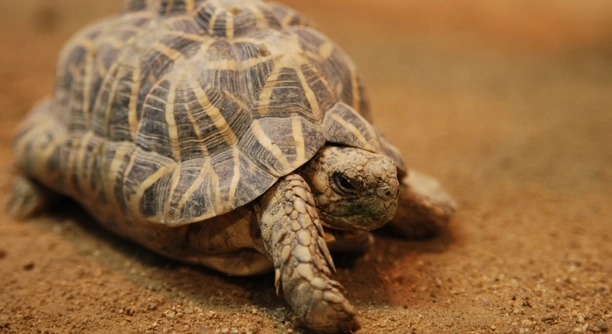
If you notice your turtle kicking its back legs, you may wonder what’s happening. Understanding this behavior can help ensure your pet’s health and well-being. There are various reasons why your turtle might do this.
Turtles often kick their back legs due to a variety of reasons, including stress, improper tank conditions, or even an attempt to escape. In some cases, it may indicate a health issue, such as respiratory problems or discomfort from the shell.
Understanding the underlying cause can help you better care for your turtle and prevent further issues. The following insights will guide you through potential reasons behind this behavior and how to address them effectively.
Stress and Anxiety in Turtles
Turtles can be easily stressed, and this stress often shows up in physical behaviors like kicking their back legs. Changes in their environment, such as noise, bright lights, or the presence of other animals, can cause anxiety. If your turtle feels threatened or uncomfortable, it might respond by moving its legs rapidly. This is a sign that it is trying to escape or defend itself. Stress can also result from improper tank setups, including too small of a space or unclean water, which makes your turtle feel trapped.
Even the slightest disturbance, such as loud sounds or too much human interaction, can trigger this kind of behavior. It’s essential to make sure your turtle’s environment is calm, peaceful, and comfortable. A stable environment can greatly reduce the risk of stress-related behaviors.
Reducing stress will involve keeping the tank in a quiet location, limiting interactions with your turtle, and ensuring the water conditions are clean and well-maintained. Adding plants, hiding spots, and providing a warm, cozy basking area can also help your turtle feel safe and secure.
Health Issues That Can Cause Leg Kicking
Sometimes, kicking back legs can be a sign of discomfort from an underlying health issue.
Turtles may kick or jerk their legs if they’re experiencing pain or discomfort. This can be related to issues like respiratory infections, shell injuries, or parasites. A respiratory infection, for example, can cause the turtle to feel weak, leading it to move erratically. If you notice other symptoms like wheezing, mucus, or lethargy, a vet visit may be needed. Likewise, injuries to the shell or limbs can cause your turtle to react by kicking its legs.
A more serious concern is a condition called “floating,” where a turtle struggles to swim or balance in the water due to an internal issue. This is often caused by gas buildup or buoyancy problems, which can also lead to leg kicking. If your turtle’s behavior changes suddenly or appears severe, it’s best to consult a vet immediately to rule out any serious health issues.
Tank Conditions and Environment
Your turtle’s tank conditions play a big role in its behavior. If the water temperature, lighting, or space isn’t ideal, your turtle might feel stressed or uncomfortable. This can lead to kicking its back legs as a response to the environment.
Turtles need a specific water temperature to stay healthy. Too cold or too hot water can cause them distress, making them more likely to kick their legs. The tank should also have proper filtration to keep the water clean and prevent any harmful bacteria from making your turtle sick. A dirty or polluted tank can make your turtle feel anxious or in pain, leading to this behavior.
Make sure your turtle’s habitat mimics its natural environment as much as possible. This means having clean, warm water, proper lighting, and enough space for it to move around. Adding aquatic plants and hiding spots will help your turtle feel safer and less likely to exhibit signs of distress.
Behavioral Reasons for Kicking
Turtles might also kick their legs for behavioral reasons, such as exploring their environment or trying to move to a better spot. This behavior could happen when your turtle feels the need to find food, bask, or simply explore.
Turtles are naturally curious creatures, so leg kicking can be an attempt to move or escape from a particular area they find uncomfortable. If your turtle feels the need to move to a warmer or cooler spot, it may kick its legs to push forward. This behavior is often not related to any health issues but rather a natural instinct to get comfortable.
Sometimes, turtles might kick their legs if they are simply excited or frustrated. For example, if they see food outside the tank or another turtle nearby, they may try to reach it by kicking their legs to move quickly. This kind of behavior typically doesn’t pose a significant concern, but it’s always a good idea to monitor your turtle to ensure it’s not a sign of other problems.
Improper Diet and Malnutrition
An improper diet can also lead to abnormal behaviors like kicking back legs. If your turtle isn’t getting the nutrients it needs, it may react by kicking or moving strangely.
A diet lacking in vitamins and minerals can affect your turtle’s overall health. Turtles need a variety of foods, including leafy greens, protein, and calcium. If these aren’t provided, the lack of nutrition can cause weakness or discomfort, making them more likely to display unusual movements, including leg kicking.
Make sure to offer a balanced diet with the right mix of vegetables, proteins, and calcium-rich foods. Supplementing with proper calcium powder may help avoid potential issues related to malnutrition.
Parasites and Infections
Parasites and infections can cause discomfort that leads to your turtle kicking its back legs.
Internal parasites, like worms, can cause stomach pain and discomfort, which may result in abnormal behavior. External parasites, such as mites or ticks, can irritate the skin and lead to similar responses. Infections, especially in the lungs or shell, can also trigger restlessness.
If you notice symptoms like swollen eyes, abnormal stool, or lethargy along with leg kicking, it’s essential to get your turtle checked by a vet. These signs may indicate an infection or parasitic infestation that requires treatment.
FAQ
Why is my turtle kicking its back legs constantly?
Constant kicking could indicate that your turtle is experiencing discomfort, stress, or health issues. It may be trying to escape from a stressful environment, such as poor water quality, temperature fluctuations, or overcrowding. Alternatively, it could be a sign of pain from an injury or an infection. If the behavior persists, it’s best to check the tank conditions first. If everything seems fine, consider a vet visit to rule out any health problems.
Can stress cause my turtle to kick its legs?
Yes, stress can definitely cause your turtle to kick its legs. Turtles are sensitive creatures, and changes in their environment, such as loud noises, temperature changes, or the presence of other animals, can make them anxious. If they feel threatened or unsafe, they might react by kicking their back legs, trying to escape or avoid the situation. Ensuring a calm and stable environment can reduce stress-related behaviors.
How do I know if my turtle is sick or just acting out?
To determine whether your turtle is sick or simply acting out, look for other signs beyond leg kicking. If your turtle is lethargic, has difficulty swimming, or shows any unusual discharge from its eyes or nose, it could be a sign of illness. Also, check for any physical signs of injury or infection on its shell or skin. If these symptoms are present, a visit to the vet is recommended.
Can my turtle kick its legs when it’s trying to escape its tank?
Yes, kicking legs can be a sign that your turtle is trying to escape its tank. Turtles sometimes kick their legs as they search for an exit, especially if they feel confined, stressed, or are trying to reach a certain spot in the tank, such as a basking area. Make sure your turtle’s enclosure is secure and large enough to allow it to move comfortably. Also, ensure it has access to both warm and cool areas within the tank for a proper temperature gradient.
Is leg kicking a normal behavior for turtles?
Occasionally, leg kicking can be a normal behavior, particularly if the turtle is moving around or adjusting its position in the tank. However, excessive or constant leg kicking may indicate something more serious, such as stress, illness, or discomfort. It’s essential to observe your turtle’s behavior over time and consider other factors, such as tank conditions and overall health, to determine if the behavior is typical or needs attention.
Could my turtle’s diet affect its leg kicking?
Yes, an improper or unbalanced diet can lead to leg kicking. If your turtle is not receiving enough nutrients, it may experience weakness, pain, or discomfort, which can cause it to move or kick its legs in an attempt to adjust. Turtles need a diet rich in leafy greens, proteins, and calcium to stay healthy. If their nutritional needs aren’t met, they may exhibit abnormal behavior. You can improve their diet by offering a variety of foods, including vegetables, proteins, and supplements.
What should I do if my turtle is kicking its legs frequently?
If your turtle is kicking its legs frequently, start by checking its tank conditions. Ensure the water temperature is stable, the tank is clean, and there is enough space for your turtle to move around. If the behavior continues despite good tank conditions, observe your turtle for other symptoms, such as lethargy, swelling, or trouble eating. If you notice anything unusual, it’s best to consult with a vet who specializes in reptiles.
Can parasites cause my turtle to kick its back legs?
Yes, parasites can cause discomfort, leading your turtle to kick its legs. Internal parasites, such as worms, can cause digestive issues or pain, while external parasites like mites can irritate the skin and shell. Infections can also cause similar symptoms. If your turtle has visible signs of parasites, such as abnormal feces or skin lesions, it’s important to get treatment from a vet.
How can I reduce stress in my turtle’s tank?
Reducing stress in your turtle’s tank is important for its health and well-being. Keep the tank in a quiet, low-traffic area of your home. Provide plenty of hiding spots, such as rocks or plants, so your turtle can retreat when it feels threatened. Maintain proper water quality by cleaning the tank regularly and checking the filter. Ensure the tank is the right size for your turtle and that there’s a good balance of light and heat for basking.
Could leg kicking indicate a respiratory infection?
Yes, respiratory infections can cause discomfort that might result in leg kicking. If your turtle has a respiratory infection, it may experience difficulty breathing, leading it to move around or kick its legs. Other symptoms of a respiratory infection include wheezing, nasal discharge, or lethargy. If you notice any of these signs, it’s important to seek veterinary care to address the infection.
Should I be worried if my turtle kicks its legs while swimming?
If your turtle kicks its legs while swimming, it may simply be part of its normal movement, especially if it’s trying to swim or adjust its position in the water. However, if the kicking seems excessive or unusual, it could indicate a problem, such as discomfort or a health issue. Pay attention to any other changes in behavior and consult a vet if you notice anything concerning.
How do I check if my turtle has an injury causing it to kick its legs?
If you suspect that an injury is causing your turtle to kick its legs, start by carefully inspecting its shell and limbs for any signs of damage, swelling, or discoloration. Gently check for tenderness or signs of infection. If your turtle seems in pain or avoids certain movements, it could indicate an injury. A vet can help determine the extent of the injury and provide treatment if necessary.
Can tank lighting affect my turtle’s behavior?
Yes, improper tank lighting can affect your turtle’s behavior. Turtles need a proper light source to help them regulate their body temperature and to provide the UVB rays essential for their health. Without the right lighting, your turtle could become stressed or feel unwell, leading to abnormal behaviors like leg kicking. Make sure your tank has both UVB lighting for basking and heat lamps to create a proper temperature gradient.
Final Thoughts
It’s normal for turtles to show some odd behaviors from time to time, including kicking their back legs. Most of the time, this can be attributed to factors like stress, exploring their environment, or adjusting to changes in their tank. However, if the behavior becomes excessive or is accompanied by other symptoms, it’s important to dig deeper into what might be causing it. Turtles rely heavily on their environment, so ensuring that their tank is clean, properly maintained, and free from stressors is crucial for their well-being.
In some cases, kicking back legs could be a sign that your turtle is not feeling well. Health issues, such as respiratory infections, shell injuries, or even parasites, can cause pain or discomfort, prompting your turtle to kick its legs. It’s important to monitor your turtle closely and observe for any additional signs of illness, such as lethargy, difficulty eating, or changes in the shell. Addressing these issues early on can prevent further health problems and ensure that your turtle lives a long and healthy life. If you suspect a health issue, don’t hesitate to consult a vet with experience in reptiles.
Ultimately, understanding your turtle’s behavior comes down to knowing what’s normal and what’s not for your specific pet. With proper care, a balanced diet, and a safe and clean tank, your turtle can thrive and exhibit more natural, calm behavior. If you ever feel uncertain or notice any concerning signs, seeking professional advice is always the best course of action. Taking proactive steps to maintain a healthy environment and keeping a close eye on your turtle will help reduce the likelihood of unwanted behavior and ensure that your turtle stays happy and healthy.

Hello,
If you enjoy the content that we create, please consider saying a "Thank You!" by leaving a tip.
Every little bit helps us continue crafting quality advice that supports the health, happiness, and well-being of pets around the world, for pets of all shapes, sizes, and species.
We really appreciate the kindness and support that you show us!