
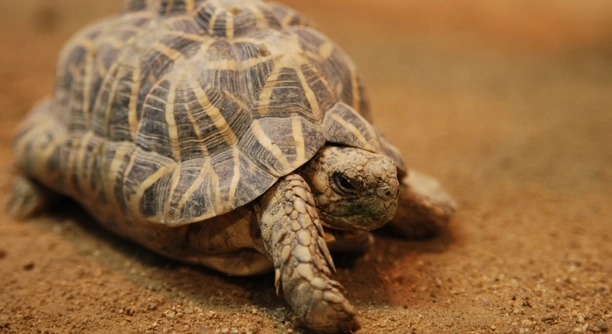
Turtles are fascinating creatures, and watching them swim gracefully in their habitat can be an enjoyable experience. However, it can be concerning when your turtle keeps floating to the surface. This behavior may indicate underlying issues.
The most common reason for a turtle floating to the surface is buoyancy problems. Turtles have air sacs that help regulate their buoyancy. If these air sacs are disrupted, or if the turtle is experiencing respiratory issues, it may float unnaturally.
Understanding the cause of your turtle’s floating behavior will help you take the necessary steps to improve their health and well-being.
Common Causes of Buoyancy Issues in Turtles
Turtles rely on air sacs in their bodies to maintain buoyancy while swimming. These air sacs allow them to adjust their position in the water. If the air sacs are damaged or malfunctioning, it can cause abnormal floating. This might happen if the turtle has been stressed or injured, especially from improper handling or an accident. If your turtle is floating unusually, this could be an indication that something is affecting its buoyancy control. Additionally, an imbalance in the turtle’s diet or an illness could interfere with its ability to manage buoyancy. It’s essential to observe your turtle closely to determine if other symptoms accompany the floating behavior, such as lethargy or difficulty diving.
It’s crucial to check if your turtle’s habitat is clean and properly set up. Poor water quality can contribute to respiratory problems, which also impact buoyancy. Regular water changes and maintaining the right temperature will help ensure your turtle’s health.
Turtles that float might also be experiencing a respiratory infection. Infections can lead to fluid buildup, making it difficult for the turtle to dive or stay submerged. If your turtle is floating and showing signs like a lack of energy or discharge from the nose, it’s time to visit a veterinarian. Untreated respiratory infections can worsen quickly and lead to severe health issues. Ensuring your turtle has a proper diet rich in nutrients, including appropriate calcium and vitamin D, can also help maintain its overall health, preventing such infections from developing.
How Water Quality Impacts Your Turtle’s Health
Water quality plays a significant role in your turtle’s overall well-being. Poor water quality can stress your turtle, affecting its buoyancy and causing it to float more frequently. The water should be filtered regularly to keep harmful bacteria and debris out. Testing the water’s pH and temperature ensures it’s within an optimal range. A healthy environment encourages natural behaviors and better digestion, reducing the chances of buoyancy issues. Turtles thrive in clean, well-maintained water, and providing this for them will support their health in the long term.
If your turtle’s water quality isn’t optimal, it can cause more than just buoyancy problems. Contaminated water can introduce pathogens that affect their skin, eyes, and overall health. In addition to cleaning the water regularly, you should also ensure that your turtle’s habitat offers enough space to swim comfortably. When stressed, turtles may float more frequently as they struggle to adjust to an unhealthy environment. Make sure that your turtle’s water is filtered and that it’s changed as needed to avoid any buildup of toxins. Poor water quality often leads to decreased immune function, increasing the risk of disease. By maintaining a clean habitat, you can help your turtle thrive and avoid problems with floating to the surface.
Diet and its Effect on Buoyancy
Your turtle’s diet can play a role in its buoyancy. An improper diet may lead to health issues that affect the ability to stay submerged. Offering the wrong food or not providing enough nutrients can disrupt the turtle’s natural balance, leading to floating. Make sure the diet includes both plant and animal matter, along with enough calcium and vitamins to maintain bone health.
If your turtle’s floating is due to poor nutrition, it can result in weakened bones or problems with digestion. This affects its ability to regulate buoyancy properly. Make sure the food is varied, including appropriate amounts of protein and vegetables. Too much high-fat food can lead to obesity, which may also contribute to floating. It’s important to monitor your turtle’s eating habits and adjust the diet as needed. Feeding your turtle a balanced diet will support its overall health and help prevent issues with buoyancy.
A lack of calcium can result in soft shells and weak bones, which further impacts buoyancy. If your turtle’s floating behavior seems linked to a deficiency, you can supplement their diet with calcium. In some cases, this deficiency could also cause swimming difficulties, as the turtle’s bones aren’t strong enough to maintain proper control in the water. Always check if your turtle is receiving enough nutrients, as this will prevent long-term problems with buoyancy.
Illnesses That Can Affect Buoyancy
Certain illnesses can cause turtles to float to the surface. Respiratory infections, for example, are common and can make it difficult for turtles to dive. These infections often lead to fluid buildup in the lungs, causing breathing difficulties and affecting buoyancy. If left untreated, this can lead to further complications.
Turtles with respiratory issues may display symptoms such as wheezing, lethargy, and discharge from the nose or mouth. When a turtle cannot breathe properly due to an infection, it will have trouble staying submerged, as their buoyancy control is compromised. If you notice these signs in your turtle, it is important to get a proper diagnosis and begin treatment right away. Respiratory infections can worsen quickly, so prompt veterinary attention is essential for recovery. Taking care of any illness early can prevent further complications related to floating.
Another illness that could affect buoyancy is shell rot. This infection weakens the shell, causing it to become soft and fragile. A weakened shell can lead to problems with buoyancy, as the turtle’s body may not be able to properly regulate its position in the water. Shell rot often appears as soft spots or discoloration on the shell. If left untreated, the infection could spread, causing significant health issues. Be sure to check your turtle regularly for any signs of shell rot and seek veterinary care if needed.
Tank Setup and Water Conditions
The tank setup plays a crucial role in your turtle’s health. If the water is too shallow or the turtle’s environment is cramped, it can cause stress, leading to floating. Ensure there’s enough space for your turtle to move freely and swim comfortably.
In addition to space, water temperature must be regulated correctly. Turtles need warm water to thrive, with a temperature range between 75°F and 80°F. If the water is too cold, it could affect your turtle’s metabolism, making it more difficult to regulate buoyancy. Keep the water clean and maintain an appropriate pH level for optimal health.
Make sure the water filter works effectively to remove waste and bacteria. Regular water changes will also help maintain a healthy tank environment. Without proper care, the water quality will deteriorate, contributing to buoyancy problems. Monitor the tank’s conditions closely to avoid such issues.
Stress and Anxiety
Stress can lead to abnormal behavior, including floating. If your turtle feels threatened or doesn’t have enough hiding places, it may exhibit signs of stress. Ensure your turtle has a peaceful environment with places to retreat if needed.
Stress in turtles can also stem from improper handling. Constant disturbance or sudden changes in the environment can cause them to feel unsafe. To reduce stress, limit handling and give your turtle time to adjust to its surroundings. Avoid placing other aggressive animals in the tank, as this could create tension.
Excess Fat and Obesity
Overfeeding your turtle or offering the wrong types of food can lead to obesity. When a turtle becomes overweight, it can struggle to stay submerged, causing it to float. It’s essential to monitor how much and what type of food your turtle eats.
Obesity in turtles is usually due to a high-fat diet, especially if you feed them too many protein-rich foods. If you notice your turtle becoming larger than usual or struggling to stay underwater, consider adjusting its diet. Stick to a balanced feeding routine with a focus on vegetables, aquatic plants, and occasional protein sources to maintain a healthy weight.
FAQ
Why is my turtle floating to the surface?
Turtles may float due to several reasons, such as buoyancy issues, poor water quality, or illness. One common cause is a respiratory infection, which leads to fluid buildup and affects the turtle’s ability to submerge. Other causes include stress, improper diet, or a tank setup that doesn’t meet the turtle’s needs. In some cases, a turtle might float due to a lack of calcium or a problem with its air sacs. It’s important to monitor your turtle for other symptoms like lethargy, difficulty eating, or nasal discharge.
Can poor water quality cause a turtle to float?
Yes, poor water quality can contribute to buoyancy problems. Turtles rely on clean water to stay healthy. If the water is too dirty or unfiltered, it can cause stress and lead to respiratory issues, which affect buoyancy. Regular water changes and maintaining the right temperature and pH balance are essential for turtle health. If your turtle is floating and you haven’t been keeping up with water maintenance, this might be a sign to check the quality of the tank water.
How can I improve my turtle’s diet to prevent floating?
An unbalanced diet can lead to buoyancy problems. Offering too many high-fat foods, such as protein-rich options, can cause obesity, which affects a turtle’s ability to stay submerged. Make sure to feed your turtle a balanced diet with a mix of vegetables, aquatic plants, and occasional protein sources like insects or small fish. It’s also crucial to provide enough calcium and vitamin D, as deficiencies in these nutrients can weaken bones and impact buoyancy control. Consult a vet for advice on a proper feeding schedule based on your turtle’s age and species.
What should I do if my turtle is floating due to stress?
If your turtle is stressed, it can lead to abnormal behavior, including floating. Stress can result from a variety of factors such as being overhandled, living in an overcrowded tank, or having aggressive tank mates. To reduce stress, ensure your turtle has enough space to swim and hide. Set up the tank with hiding spots like rocks, plants, or caves. Keep handling to a minimum, allowing your turtle to feel safe and comfortable in its environment. If the stress continues, assess any changes in the turtle’s surroundings and eliminate any potential sources of discomfort.
Could my turtle have a respiratory infection?
Yes, respiratory infections are a common cause of floating in turtles. Symptoms of respiratory infections include floating, wheezing, nasal discharge, and lethargy. These infections often occur when the water temperature is too low or when the tank is not cleaned regularly. If you suspect your turtle has a respiratory infection, it is essential to visit a veterinarian for a diagnosis and treatment. In some cases, respiratory infections can worsen quickly, leading to severe health complications if not addressed promptly.
How do I know if my turtle is overweight?
You can determine if your turtle is overweight by checking its overall shape. If your turtle has difficulty swimming or floating and appears round or bloated, it may be overweight. A healthy turtle should have a streamlined body, and its shell should fit its body size properly. If the turtle has excess fat around the legs or neck, this may indicate obesity. An improper diet, especially one high in fats, can lead to this issue. To correct it, offer a balanced diet with more vegetables and limit high-fat foods. Regularly monitor your turtle’s weight and adjust its diet accordingly.
How can I treat shell rot in my turtle?
Shell rot is an infection that can weaken your turtle’s shell, which may affect its buoyancy. It appears as soft, discolored patches on the shell. To treat shell rot, it’s essential to keep your turtle’s living environment clean and dry. If you notice signs of shell rot, consult a veterinarian, as they may recommend topical treatments or antibiotics. Additionally, ensure that your turtle’s habitat is appropriately heated and filtered. Regular check-ups will help prevent shell rot from becoming severe. Proper shell care and regular cleaning are key to preventing and treating this issue.
Is it normal for a turtle to float after eating?
It’s not unusual for turtles to float after eating, especially if they’ve had a large meal. This is because they tend to gulp air while eating, which can temporarily affect their buoyancy. However, if your turtle is consistently floating after eating and shows no signs of improvement, it might indicate a larger issue, such as digestive problems or an imbalance in their diet. It’s important to observe your turtle after feeding and make sure the floating behavior doesn’t persist. If it does, consider adjusting the diet and consulting a veterinarian.
How can I prevent my turtle from floating?
To prevent your turtle from floating, focus on maintaining its overall health. Ensure it has a balanced diet with the right nutrients, avoid overfeeding, and keep its living space clean. Pay attention to the water temperature, filtration, and pH levels in the tank. If your turtle is floating due to illness or injury, seek professional veterinary care immediately. Reducing stress, keeping the tank clean, and providing appropriate shelter or hiding spots will also help maintain a stable environment, allowing your turtle to thrive.
When should I take my turtle to the vet for floating?
If your turtle’s floating persists for more than a few days, or if it shows additional symptoms such as lethargy, loss of appetite, or discharge from the nose, it’s time to visit a vet. Floating can be a sign of serious health issues, including respiratory infections, buoyancy problems, or dietary imbalances. A veterinarian can diagnose the underlying cause and recommend the proper treatment to restore your turtle’s health. If you’re unsure, it’s always better to consult a professional to ensure your turtle gets the care it needs.
Final Thoughts
Turtles are fascinating creatures that require careful attention to thrive in captivity. When a turtle begins floating to the surface of its tank, it can be a sign of several possible issues. Some of these problems, like an unbalanced diet or stress, can be easily managed by adjusting the turtle’s environment or diet. Other causes, such as respiratory infections or buoyancy problems, may require professional veterinary care. It’s important to monitor your turtle regularly to ensure it stays healthy and happy. Keeping the tank clean and providing proper heating and lighting will go a long way in preventing many common health issues.
Regular check-ups and a healthy, balanced diet are essential for maintaining a turtle’s well-being. Overfeeding or providing too many high-fat foods can lead to obesity, which can cause buoyancy issues. Likewise, poor water quality can cause stress and make it harder for the turtle to stay submerged. It’s vital to make sure the turtle’s environment supports its natural needs. This includes appropriate water conditions, hiding spots, and ample swimming space. A proper habitat not only helps prevent floating problems but also contributes to the overall happiness of the turtle.
While floating can often be a minor issue, it’s always a good idea to consult a vet if it persists. They can identify the root cause and offer the best treatment. Timely intervention is important, as some conditions can worsen quickly. Remember that every turtle is unique, and what works for one may not always work for another. Paying attention to your turtle’s behavior and making adjustments as needed will ensure it leads a long, healthy life in its home.

Hello,
If you enjoy the content that we create, please consider saying a "Thank You!" by leaving a tip.
Every little bit helps us continue crafting quality advice that supports the health, happiness, and well-being of pets around the world, for pets of all shapes, sizes, and species.
We really appreciate the kindness and support that you show us!