
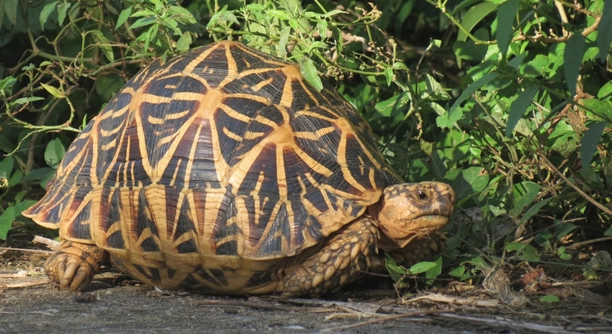
Turtles are fascinating creatures, often surprising us with their behavior. If you’ve noticed your turtle digging in the sand, you’re not alone. Many turtle owners experience this quirky habit, but it can leave you wondering what it’s all about.
Turtles dig for various reasons, such as seeking shelter, laying eggs, or simply following natural instincts. In the wild, digging helps them regulate temperature, find food, or create a safe spot to rest.
Understanding why your turtle digs can help improve their care and environment. This article will explain the common reasons behind this behavior and offer helpful tips to make your turtle feel more comfortable.
Why Do Turtles Dig?
Turtles dig for several reasons. It’s a natural instinct, and it’s something they do whether they’re in the wild or in captivity. Digging helps them regulate their body temperature and gives them a sense of security. Turtles may also dig to create a hiding place or a nest for laying eggs. If your turtle is digging frequently, it could be trying to find a cool or warm spot that suits its needs. This behavior is usually harmless, but if it becomes excessive or seems tied to stress, you may need to adjust its environment.
Digging can also be related to natural behaviors tied to nesting or burrowing. Female turtles dig to create a safe space for laying eggs. While this is most common during mating seasons, it can still occur in captivity if your turtle is mature and the right conditions are met. If you’re unsure whether your turtle is preparing to lay eggs, closely observe the frequency and pattern of digging.
If you’re providing your turtle with sand, make sure it’s deep enough to allow them to dig. The right depth helps mimic their natural habitat. You should also ensure your turtle’s enclosure is safe and stress-free. A lack of hiding spots or improper tank temperatures might cause digging behavior as your turtle tries to find comfort. Adjusting their environment could reduce the stress that leads to digging.
Is Digging a Sign of Stress?
Sometimes, digging isn’t just a sign of nesting or exploration. Stress can also cause turtles to dig excessively. If your turtle is feeling overwhelmed or uncomfortable, it may dig more frequently as a coping mechanism. Stress can come from a variety of factors, including improper tank conditions or a lack of space.
Make sure your turtle’s habitat is well-maintained. Ensure the temperature, humidity, and lighting are suitable for the species you own. Turtles can become stressed if these conditions aren’t met. A crowded tank can also lead to stress, so give your turtle enough room to move freely and feel safe.
The Role of Temperature in Digging
Temperature plays a huge role in why your turtle digs. Turtles need to regulate their body heat, and they use digging as a way to find a comfortable spot. If their environment is too hot or too cold, they may dig to either cool off or warm up.
In the wild, turtles dig to find the right temperature, usually under the sand or in burrows. If your turtle is in an indoor enclosure, it’s essential to provide both warm and cool areas. A heat lamp or a basking spot can help them regulate their body temperature. If they can’t find a comfortable spot, they may dig more frequently in search of the right conditions.
If you notice your turtle digging excessively, check the temperature in the enclosure. Adjusting it might reduce digging. A well-balanced temperature range will ensure your turtle feels safe and comfortable, preventing unnecessary digging behavior.
The Importance of Proper Sand Depth
Sand depth is another factor to consider when it comes to your turtle’s digging habits. Turtles enjoy digging, but they need enough space to do so. If the sand is too shallow, they may not be able to dig properly, which could cause frustration or stress.
For most species, a sand depth of around 3-4 inches is ideal. This allows them to burrow or dig as they naturally would. Shallow sand might not provide the same satisfaction, leading to constant digging or even attempts to escape. The sand also needs to be fine and soft enough for them to dig through without effort.
Keeping a deeper sand layer mimics their natural environment, offering both physical and mental stimulation. It’s a simple fix that can make a big difference in how your turtle behaves. If you’re unsure about the right sand depth, try adjusting it gradually and observe how your turtle responds.
Is Your Turtle Bored?
Boredom can cause your turtle to dig as well. If there’s nothing to do in its environment, it may turn to digging to pass the time. Providing enrichment through new objects or areas to explore will help.
Turtles need mental stimulation just like they need physical activity. If your turtle’s environment feels monotonous, it may start digging out of frustration. Try adding more decorations, hiding food, or creating different spaces in the tank. This helps to keep your turtle entertained and reduces unnecessary digging behavior.
Is It a Sign of Nesting Behavior?
If you have a female turtle, the digging could be related to nesting. Even if there’s no male around, mature females may still display this behavior when they’re ready to lay eggs. It’s instinctual and natural.
Female turtles often dig to create a suitable spot for laying eggs, which can be in your tank’s sand. If this is the case, it’s important to make sure there’s enough space for them to lay their eggs safely. If your turtle is digging excessively or at certain times of the year, it may be preparing for egg-laying.
FAQ
Why does my turtle dig constantly?
Constant digging can indicate a variety of things, but the most common reasons are boredom, nesting behavior, or improper habitat conditions. If your turtle is digging a lot, try adjusting its environment to include deeper sand or other enrichment items like plants, rocks, or hiding spots. Check the temperature as well, as digging could also be a response to temperature regulation. If you have a female turtle, she might be preparing to lay eggs, even if no male is present.
Can digging be a sign of stress?
Yes, stress can cause your turtle to dig more than usual. A stressed turtle might dig to cope with discomfort, frustration, or anxiety. Poor living conditions, such as overcrowded tanks or improper lighting and temperature, are common causes of stress. If your turtle is constantly digging, try assessing its habitat and making adjustments. Ensure that your turtle has enough space, a proper basking spot, and a good temperature gradient in its enclosure.
How deep should the sand be for my turtle?
The sand in your turtle’s enclosure should be about 3-4 inches deep. This depth allows them to dig comfortably and mimic their natural environment. Turtles enjoy burrowing and will likely dig to regulate temperature or find a suitable spot to rest. If the sand is too shallow, your turtle may get frustrated and dig excessively. Providing a deeper sand layer helps them feel more secure and reduces unnecessary digging behavior.
Can my turtle dig to lay eggs in captivity?
Yes, female turtles will often dig to lay eggs even if they haven’t mated. This behavior is instinctual, and female turtles may exhibit this nesting behavior when they are mature enough to lay eggs. In captivity, you should provide a spot with loose, soft sand or soil that is deep enough for them to create a suitable nest. If you notice digging behavior increasing in the warmer months, it could be due to nesting instincts.
Should I be concerned if my turtle is digging all the time?
Frequent digging is not always a cause for concern, but it can be a sign that something is off. If your turtle is digging constantly, first check its living conditions. Are the temperatures correct? Does it have enough space? Are there any environmental factors that might be causing stress? If everything seems fine and the digging persists, it’s a good idea to monitor the frequency and pattern of digging to determine if it’s related to nesting behavior. If you’re unsure, consulting with a vet may help you understand the cause of the behavior.
How can I prevent my turtle from digging too much?
To prevent excessive digging, make sure your turtle’s habitat is appropriate for its species. Offer a suitable temperature gradient, with areas for basking and cooler areas. Make sure the sand is deep enough for burrowing. Add enrichment items like rocks, logs, and plants to give your turtle more to explore. If digging continues, it could be a sign of boredom, so providing more mental stimulation can help reduce the behavior.
Do turtles dig to hide?
Yes, turtles often dig to hide. In the wild, they dig to create a safe and secure spot where they can rest or avoid predators. Turtles may dig into the sand or dirt to create a burrow or hiding place. If your turtle is digging in its tank, it might be looking for a place to feel secure. Ensure your turtle’s habitat has places to hide, such as rocks or shelters, to give it more choices.
What should I do if my turtle is digging to lay eggs?
If your female turtle is digging to lay eggs, it’s important to provide a suitable area for her to nest. Make sure the sand or soil in her enclosure is deep enough (around 4-6 inches) and soft enough for her to create a nest. If she lays eggs, you can choose to leave them in the sand, but be cautious as some turtles may not lay viable eggs in captivity. You may need to remove the eggs or consult a veterinarian for advice.
Is it normal for turtles to dig in the same spot every time?
Yes, it is normal for turtles to dig in the same spot if they find a spot that they feel comfortable with. Turtles are creatures of habit, and once they find a place that meets their needs, they may return to it regularly. If the digging is excessive, make sure the spot is conducive to their natural behavior and that the conditions are right. If you think it’s becoming too frequent, consider adjusting the environment to reduce their need to dig in the same spot.
How do I know if my turtle is digging due to nesting or stress?
Nesting behavior and stress can both cause your turtle to dig. If the digging seems seasonal or the turtle is a mature female, it could be nesting behavior. In contrast, stress-induced digging might happen more consistently throughout the year and may be accompanied by other signs of distress, such as lack of appetite, aggression, or hiding. Monitor your turtle’s overall behavior to distinguish between the two. If you’re unsure, a vet can help determine the cause.
Final Thoughts
Understanding why your turtle digs can help you create a better living environment for them. Digging is a natural behavior, and it can happen for many reasons. It’s important to recognize whether your turtle is digging due to instinct, stress, boredom, or nesting. By observing your turtle closely, you can determine what might be causing the digging and make adjustments accordingly. Whether it’s increasing the sand depth, adding enrichment, or adjusting the temperature, small changes can make a big difference in how your turtle behaves.
If your turtle is digging excessively, it’s a good idea to evaluate the conditions in its habitat. Is the temperature range appropriate? Does it have enough space to move around? Are there places for your turtle to hide and feel secure? Turtles are creatures of habit, so once you make changes to improve their environment, they may stop digging so much. However, it’s also normal for turtles to dig from time to time, so don’t be alarmed if they continue to dig occasionally. As long as the digging isn’t causing harm or stress, it’s usually just part of their natural behavior.
Finally, if you’ve tried adjusting your turtle’s habitat and the digging continues, it might be worth consulting with a vet. There may be other underlying issues, such as health concerns, that are causing the behavior. A vet can help rule out any medical problems and give you more specific advice based on your turtle’s species and needs. Overall, a well-balanced environment that meets your turtle’s physical and mental needs is key to reducing unwanted digging and ensuring they live a happy, healthy life.

Hello,
If you enjoy the content that we create, please consider saying a "Thank You!" by leaving a tip.
Every little bit helps us continue crafting quality advice that supports the health, happiness, and well-being of pets around the world, for pets of all shapes, sizes, and species.
We really appreciate the kindness and support that you show us!