
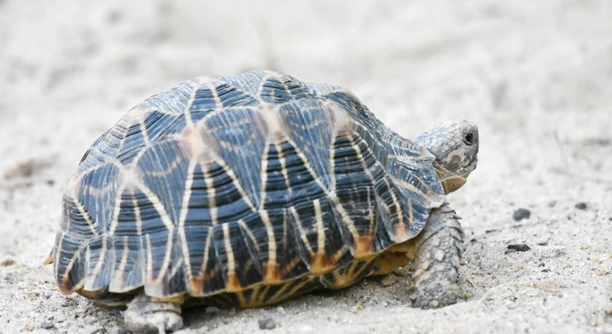
Turtles are fascinating creatures, but their behavior can sometimes leave us puzzled. One common issue many owners face is their turtle clawing at the glass. Understanding why this happens can help address the problem effectively.
Turtles often claw at the glass of their tank due to frustration, stress, or a desire for attention. This behavior may also indicate that the turtle is searching for food or trying to escape the confines of its enclosure.
Managing your turtle’s environment and addressing its needs can reduce this behavior. Learn more about how to create a comfortable and engaging space for your pet.
Why Do Turtles Scratch at the Glass?
When a turtle scratches at the glass, it can be a sign that something isn’t quite right in its environment. Turtles are naturally curious creatures, so they might do this simply because they are exploring their surroundings. However, constant clawing may suggest they are experiencing discomfort or frustration. This can happen if their tank isn’t providing enough stimulation or if the turtle feels confined. Often, they are trying to find a way out, as turtles are used to roaming freely in the wild.
If your turtle seems to claw at the glass more frequently, it’s a good idea to observe its behavior and consider any potential triggers. Make sure the tank is spacious enough for the turtle to move around comfortably. Additionally, assess the tank setup to ensure there are adequate hiding spots, basking areas, and access to clean water. Overcrowding in the tank or inadequate space can also lead to stress, causing the turtle to act out.
In some cases, the turtle’s scratching could indicate that it’s looking for food. Many turtles are highly motivated by food and will actively search for it in their tank. If they are scratching at the glass, it may be because they associate the glass with the outside world and expect food to be placed there.
How to Manage the Behavior
To manage this behavior, focus on providing your turtle with a stimulating environment. Enrichment activities such as hiding food in different spots or adding floating objects for the turtle to explore can help reduce the urge to scratch at the glass. Additionally, maintaining a clean tank with proper filtration will ensure the turtle’s space is safe and comfortable.
A proper diet also plays a significant role in your turtle’s overall health. Ensure you are feeding it a balanced, appropriate diet to keep it satisfied. Regular interactions with your turtle, such as gentle handling and observation, can also reduce stress. By meeting its physical and mental needs, you can help your turtle feel secure in its environment and reduce unwanted behaviors.
Tank Size and Space
A cramped tank can lead to stress for your turtle, encouraging it to claw at the glass. Turtles need space to swim, bask, and explore, and a small tank can make them feel trapped. Ensuring that your turtle’s tank is large enough for its size is essential for its well-being.
A good rule of thumb is that the tank should have at least 10 gallons of water for every inch of shell length. Providing plenty of open space allows your turtle to roam freely and minimizes the stress that can cause clawing. It also reduces territorial behavior if multiple turtles are kept together.
Make sure the tank has enough room for a basking area, hiding spots, and a clean water source. Without these, your turtle will feel uncomfortable and may increase the glass-clawing behavior. Proper space not only helps your turtle’s physical health but also reduces unwanted habits like scratching.
Tank Setup and Decoration
Incorporating decorations and structures in the tank can reduce your turtle’s stress. Adding plants, rocks, or a basking platform gives your turtle the opportunity to hide, climb, and explore. When a turtle has things to do in its environment, it is less likely to claw at the glass.
A variety of textures, such as smooth rocks or floating logs, can make your turtle feel more at home. Ensure that the decorations are safe, with no sharp edges that could harm your turtle. The setup should also mimic its natural habitat, with access to both water and land, allowing it to feel secure.
Your turtle may also feel more at ease if the tank setup provides areas where it can hide when feeling vulnerable. Creating a more stimulating environment means your turtle won’t focus on clawing at the glass as it will have other outlets for its energy and curiosity.
Stress Factors
Turtles are sensitive to changes in their environment. Sudden shifts in temperature, water quality, or lighting can cause stress, prompting them to scratch at the glass. It’s important to maintain a stable habitat to keep your turtle comfortable.
Ensure that the water temperature and tank conditions remain consistent. Use a reliable heater and thermometer to maintain optimal conditions. Regular water changes and good filtration will also prevent stress caused by poor water quality, which can worsen clawing behavior.
Feeding Routine
A consistent feeding schedule helps reduce anxiety in turtles. If your turtle expects food at certain times and doesn’t get it, it may try to claw at the glass in frustration. Setting up a reliable feeding routine can prevent this behavior.
Overfeeding or irregular feeding can also lead to health problems and stress. Be mindful of the amount and type of food you offer. By sticking to a proper feeding schedule, you ensure that your turtle is both physically and mentally satisfied, reducing the need for clawing.
FAQ
Why does my turtle scratch at the glass?
Turtles scratch at the glass for various reasons, including boredom, frustration, or seeking attention. It may also be a sign of stress or discomfort in the tank. A lack of space or inadequate tank setup can cause your turtle to try and escape. They may also scratch because they associate the glass with food or the outside environment. Ensuring a well-maintained and enriched tank can reduce this behavior.
How can I stop my turtle from clawing at the glass?
To stop your turtle from clawing at the glass, you need to address the root cause. Start by improving its environment. Ensure the tank is spacious enough, with hiding spots, basking areas, and clean water. A stable temperature and regular feeding can help keep your turtle calm. Avoid overcrowding, and provide enrichment activities to keep it occupied. If the clawing persists, consider consulting with a vet to rule out health issues.
Is my turtle unhappy if it’s scratching at the glass?
Yes, scratching can be a sign that your turtle is unhappy or stressed. This behavior often indicates that it is trying to escape or searching for something it needs, such as food or more space. To make your turtle feel more at ease, ensure the tank is large enough, with the proper lighting, water quality, and temperature. Enriching the tank with objects to explore can also help reduce this stress.
Can I train my turtle not to scratch at the glass?
Training a turtle to stop scratching at the glass is challenging, but it is possible to reduce the behavior. The key is creating a more stimulating environment with appropriate space and resources. Provide a consistent routine, such as feeding at set times and offering enrichment activities. By addressing the underlying causes of the behavior, you can minimize the need for your turtle to scratch at the glass. However, complete elimination may not always be possible, as scratching is a natural instinct.
What should I do if my turtle keeps scratching the glass despite improving its environment?
If your turtle continues scratching the glass after you’ve addressed environmental factors, it could indicate underlying health issues, such as poor water quality, skin irritation, or discomfort from tank conditions. Check the water temperature, filtration, and cleanliness. If everything seems fine, consult a vet to rule out any physical issues that might be contributing to the behavior. A vet can offer insights into other factors, like nutritional deficiencies or stress-related conditions, which may not be immediately apparent.
How often should I clean my turtle’s tank to reduce glass scratching?
Regular cleaning is essential for maintaining your turtle’s health and preventing stress. Clean the tank at least once a week, but the frequency may depend on the tank size and the number of turtles. Make sure to remove waste, uneaten food, and debris regularly. Check the water quality and change it as needed. Keeping the tank clean not only prevents glass scratching but also reduces the chance of your turtle developing health issues.
Why is my turtle scratching at the glass after I feed it?
Your turtle may scratch at the glass after feeding because it is still hungry or searching for more food. Turtles can be highly motivated by food, and they may scratch the glass if they expect food to be placed there. Ensure that your turtle is being fed the correct amount at the right times. Overfeeding can lead to other health issues, so it’s essential to establish a balanced feeding routine.
Can tank mates affect my turtle’s behavior, like scratching at the glass?
Yes, tank mates can affect your turtle’s behavior. If there are too many turtles or aggressive tank mates, it can cause stress, which might result in scratching at the glass. Territorial behavior or competition for resources like basking spots or food can also contribute to this behavior. Ensure your turtle has enough space and that tank mates are compatible. If aggression is a problem, consider separating the turtles or adjusting the tank setup to provide more space for each turtle to thrive.
Is glass scratching normal for all turtles?
While glass scratching is common in turtles, not all turtles exhibit this behavior. Some turtles may prefer to explore their tank quietly, while others may scratch at the glass to express their curiosity or frustration. The behavior can also vary based on species, as some are more active and exploratory than others. If your turtle scratches frequently, it is essential to investigate its environment and overall well-being to ensure it is not stressed or uncomfortable.
Can poor water quality cause my turtle to scratch the glass?
Yes, poor water quality can lead to stress and discomfort, causing your turtle to scratch at the glass. Turtles are sensitive to their water conditions, and improper filtration, high ammonia levels, or dirty water can make them feel unwell. Regular water changes, proper filtration, and checking for harmful levels of toxins can help improve the water quality and reduce stress. Clean water is essential for your turtle’s health and can help minimize behaviors like glass scratching.
Final Thoughts
Understanding why your turtle is scratching at the glass is the first step in addressing the issue. It often stems from stress, boredom, or frustration. By improving the environment and ensuring the tank is properly set up, you can significantly reduce this behavior. Turtles need ample space to swim, bask, and hide, so a well-designed tank can make a big difference. Regular water changes and maintaining the right temperature also help prevent stress that may cause your turtle to scratch at the glass.
Additionally, providing enrichment and a proper feeding schedule is crucial. Turtles can easily become bored in a bare tank, and they may start scratching at the glass out of restlessness. Including objects like plants, rocks, or toys can give your turtle more to explore, which may reduce unwanted behavior. A reliable feeding routine also keeps your turtle satisfied and less likely to engage in behaviors like clawing at the glass in search of food. If you address these basic needs, your turtle will likely feel more secure and content in its habitat.
If your turtle continues to scratch despite your efforts, it may be time to consult with a vet. Sometimes, the cause of the behavior is more complex, such as an underlying health issue or a need for different tank conditions. By working with a professional, you can ensure your turtle’s well-being is prioritized and get tailored advice to help resolve the issue. Understanding your turtle’s needs and adjusting its environment can go a long way in preventing glass scratching and ensuring a happy, healthy pet.

Hello,
If you enjoy the content that we create, please consider saying a "Thank You!" by leaving a tip.
Every little bit helps us continue crafting quality advice that supports the health, happiness, and well-being of pets around the world, for pets of all shapes, sizes, and species.
We really appreciate the kindness and support that you show us!