
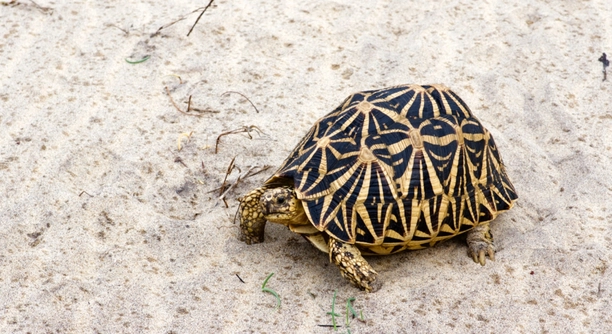
Turtles can exhibit strange behaviors that might leave you wondering what’s going on. One common action is head bobbing, which may seem puzzling at first. Understanding this behavior can help you identify if something is wrong with your turtle.
Head bobbing in turtles is usually a natural behavior linked to communication, mating, or breathing. However, it can sometimes indicate stress or health issues, such as respiratory problems. Observing the frequency and context of this behavior helps in determining its cause.
This article will cover the potential reasons for head bobbing and how to address the issue. Understanding these behaviors will help you ensure your turtle’s well-being.
Understanding Head Bobbing in Turtles
Head bobbing is a natural and common behavior in turtles, often linked to communication or mating rituals. Turtles may bob their heads in the presence of another turtle to assert dominance or show interest. In some species, this is a way to initiate courtship or display aggression.
It’s important to observe whether the bobbing occurs when there are other turtles around, as this behavior could be linked to their social interactions. However, when the head bobbing is excessive or accompanied by other signs like lethargy, it could point to stress or health problems.
Turtles may also bob their heads when they are adjusting to their environment, particularly if they are unfamiliar with their surroundings. In some cases, this can occur during feeding, especially when they are trying to get your attention. If your turtle seems to be bobbing excessively, it’s worth checking for any external factors like tank temperature, cleanliness, or water quality that could be affecting their behavior.
Is Head Bobbing a Sign of Health Issues?
Excessive head bobbing, especially if it happens continuously, might indicate respiratory distress. Turtles are prone to respiratory infections, which often manifest as irregular behaviors like head bobbing or wheezing. A sudden change in your turtle’s behavior, such as frequent head bobbing combined with labored breathing, should not be ignored.
Respiratory infections in turtles are typically caused by poor tank conditions or sudden temperature fluctuations. If the water temperature is too cold or the humidity is too low, it can stress your turtle, leading to infections. If you notice that your turtle’s appetite has decreased, or it’s having trouble swimming, the bobbing may be a sign that they need immediate veterinary attention.
The key to managing this behavior is regular monitoring of your turtle’s environment. Maintaining stable water temperatures, ensuring proper filtration, and offering a balanced diet can help prevent the onset of infections. If symptoms persist, a vet visit is necessary to get a proper diagnosis and treatment.
Mating Behavior and Head Bobbing
Head bobbing is often a sign of mating behavior, especially in male turtles. During the breeding season, male turtles use head bobbing to attract females or ward off other males. This action is more common in certain species, where the bobbing signifies readiness for mating.
In addition to head bobbing, male turtles may engage in other mating behaviors, such as chasing or making particular sounds. If you have both male and female turtles, it’s normal to witness this behavior more often during mating season. However, if there is no sign of interest or aggression from other turtles, the bobbing may be a natural communication technique.
Mating can sometimes be a stressful experience for your turtle, especially if the environment isn’t ideal. It’s important to provide enough space and ensure that your turtle feels safe during this time. Make sure their tank has plenty of hiding spots to reduce stress during mating behavior.
Respiratory Issues and Excessive Head Bobbing
Head bobbing can be a sign of respiratory issues in turtles, especially when it occurs alongside other symptoms like wheezing or nasal discharge. A common cause of respiratory infections is poor tank conditions, including low temperatures or insufficient ventilation.
If you notice your turtle bobbing its head repeatedly, paired with labored breathing or a lack of appetite, it’s crucial to check their environment. The water temperature should be kept between 75°F and 85°F (24°C to 29°C) for most species of turtles. Inadequate heating can lead to respiratory issues and discomfort. Maintaining good tank filtration is also essential for keeping the water clean and free of harmful bacteria.
In some cases, a turtle may also develop pneumonia or other infections due to high humidity or stagnant water. It’s important to monitor your turtle’s behavior closely, as untreated respiratory problems can become severe and lead to long-term health issues. If symptoms persist, a vet visit is recommended.
Stress and Head Bobbing
Stress is another potential cause for head bobbing. If a turtle feels threatened or uncomfortable in its environment, it may begin this behavior as a way to cope. Poor tank conditions, such as overcrowding or noise, can also contribute to stress-related head bobbing.
If your turtle has recently been introduced to a new tank or other animals, this could be causing the bobbing. Changes in lighting or water conditions might also trigger stress. Providing a consistent, calm environment is key to reducing stress and curbing this behavior. Ensure your turtle has a quiet space to retreat if needed.
Environmental Factors
Environmental factors like temperature, lighting, and tank cleanliness can also contribute to head bobbing. Turtles rely on their surroundings to feel secure and healthy. Sudden changes in any of these factors can stress them out, leading to abnormal behavior.
Water temperature is particularly important. Turtles are ectothermic, meaning they rely on external heat sources to regulate their body temperature. If the water is too cold or too hot, they may become uncomfortable, leading to erratic behaviors like head bobbing. Additionally, low lighting or poor visibility might affect their behavior, as turtles feel more secure in environments where they can see their surroundings clearly. Keeping your turtle’s habitat stable and clean will help them feel at ease.
Head Bobbing and Feeding Behavior
Turtles may also bob their heads when they are hungry or excited about food. If your turtle has learned to associate your presence with feeding time, it may start bobbing its head in anticipation. This behavior is more common in turtles that are accustomed to receiving food from their owners.
If your turtle’s bobbing occurs at feeding times, it is most likely a sign of excitement or eagerness to eat. This type of bobbing is generally harmless. However, overfeeding or an unbalanced diet can lead to other health issues, so it’s important to maintain a proper feeding schedule. Monitor the portion sizes and ensure your turtle gets the right nutrients.
FAQ
Why is my turtle bobbing its head constantly?
If your turtle is bobbing its head constantly, it could be due to stress, respiratory problems, or mating behavior. Stress can occur from changes in its environment, poor tank conditions, or being housed with other aggressive turtles. Respiratory issues, like infections, can also cause frequent head bobbing. If the behavior persists and is accompanied by other symptoms such as lethargy, labored breathing, or loss of appetite, it’s important to seek veterinary attention. Mating behavior, particularly in males, can also lead to frequent head bobbing during the breeding season.
Can head bobbing indicate a health problem in turtles?
Yes, head bobbing can sometimes point to health problems, particularly respiratory issues. If your turtle is bobbing its head frequently and seems to be having trouble breathing or eating, this could be a sign of a respiratory infection. Respiratory infections are common in turtles that are kept in tanks with improper temperature or humidity. It’s important to monitor your turtle closely and consult a vet if the behavior doesn’t stop or worsens.
How can I tell if my turtle’s head bobbing is due to mating behavior?
Head bobbing during the mating season is common, especially in male turtles. If you notice your male turtle bobbing its head around a female or other males, it is most likely a part of their mating ritual. Male turtles often use head bobbing to assert dominance or show interest in a female. This type of bobbing is typically accompanied by chasing or other mating-related behaviors. If there are no other turtles around, or if the bobbing seems excessive, it could indicate another issue.
What should I do if my turtle is bobbing its head too much?
If your turtle’s head bobbing seems excessive, the first step is to check its environment. Ensure that the water temperature, humidity, and lighting are correct. Turtles need stable and appropriate conditions to feel safe and healthy. If the bobbing continues or is combined with other symptoms like lethargy, discharge, or loss of appetite, it’s essential to have your turtle examined by a vet to rule out respiratory infections or other health issues.
Is it normal for my turtle to bob its head when it’s eating?
Yes, it’s normal for turtles to bob their heads when they’re excited about food. If your turtle is bobbing its head when you approach with food or at feeding time, it is likely showing anticipation or eagerness to eat. This type of bobbing is harmless and is simply a response to food being introduced into its environment. However, ensure you are feeding your turtle the correct portions and diet to avoid obesity or nutritional imbalances.
What causes head bobbing in baby turtles?
Baby turtles may bob their heads for many of the same reasons as adults. However, because they are still growing, they can be more sensitive to changes in their environment. Head bobbing in baby turtles can indicate stress, especially if they are in a new habitat or have been recently relocated. It could also be due to the excitement of being fed or trying to interact with other turtles. If the bobbing becomes excessive or is accompanied by other concerning behaviors, it’s best to consult a vet.
Can head bobbing be a sign of a turtle being sick?
Yes, head bobbing can indicate that your turtle is unwell, particularly if it’s a sign of respiratory distress. Turtles suffering from respiratory infections may bob their heads as they struggle to breathe properly. If your turtle is also showing other signs of illness, like nasal discharge, lethargy, or trouble swimming, it could be a sign of an infection that requires veterinary attention. Keeping your turtle’s environment clean and at the proper temperature can help prevent respiratory issues.
How do I know if my turtle’s head bobbing is from stress?
Stress-related head bobbing is typically caused by changes in your turtle’s environment. This could include overcrowding, poor water quality, excessive noise, or inadequate space in the tank. If the bobbing occurs after a change in the turtle’s environment, such as a new tank setup or the introduction of new tank mates, it may be a sign of stress. Other signs of stress can include hiding, loss of appetite, or aggression. Try to create a calm, stable environment for your turtle to reduce stress.
Can temperature changes cause head bobbing in turtles?
Yes, temperature changes can cause head bobbing in turtles. Turtles are ectothermic, meaning their body temperature is regulated by their surroundings. If the water or basking area is too hot or cold, it can cause stress and result in abnormal behaviors like head bobbing. Turtles need a proper range of temperatures to stay healthy, with water temperatures typically between 75°F and 85°F (24°C to 29°C). Maintaining the right temperature in the tank is essential for your turtle’s well-being.
What other behaviors should I watch for if my turtle is bobbing its head?
Along with head bobbing, keep an eye out for other signs such as wheezing, nasal discharge, difficulty swimming, or loss of appetite. These can be signs of respiratory infections or other health problems. If your turtle is also exhibiting lethargy or abnormal swimming patterns, it could indicate an underlying health issue. Regularly monitor your turtle’s overall behavior and physical condition, and consult a vet if anything seems off.
Final Thoughts
Head bobbing in turtles is a behavior that can have different causes, ranging from mating rituals to health concerns. While it’s common for male turtles to bob their heads when showing interest in a female or asserting dominance, excessive or unusual head bobbing may indicate stress or health issues. It’s essential to observe the context of the behavior and other signs your turtle may be showing to understand the cause. Ensuring that your turtle has the right living conditions is a key factor in preventing unnecessary stress or health problems.
A turtle’s environment plays a significant role in its overall well-being. If your turtle is bobbing its head due to stress, it may be a sign that something in its habitat isn’t right. This could include poor water quality, improper tank size, or changes in temperature. It’s important to make sure that the water temperature, lighting, and tank conditions are appropriate. Regular cleaning of the tank and maintaining good water quality can help your turtle feel comfortable and healthy. Sometimes, minor adjustments in the environment can lead to significant improvements in your turtle’s behavior.
If you’ve noticed that your turtle’s head bobbing is accompanied by other symptoms, like loss of appetite, trouble breathing, or lethargy, it’s important to consult a vet. Respiratory infections are a common concern in turtles, and early treatment can help prevent serious health issues. Regular vet check-ups can also help ensure your turtle remains healthy and happy in the long run. Being proactive about your turtle’s health and environment will go a long way in preventing unnecessary stress and keeping your pet in the best condition possible.

Hello,
If you enjoy the content that we create, please consider saying a "Thank You!" by leaving a tip.
Every little bit helps us continue crafting quality advice that supports the health, happiness, and well-being of pets around the world, for pets of all shapes, sizes, and species.
We really appreciate the kindness and support that you show us!