
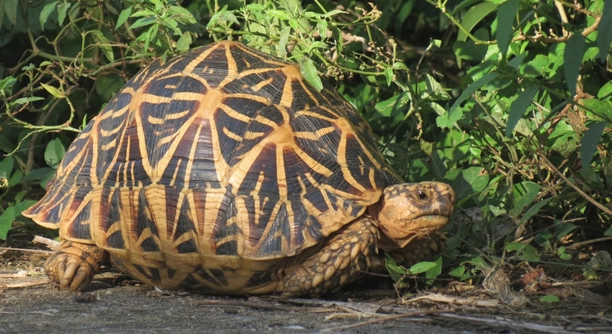
Turtles are fascinating creatures, and if you’ve noticed your turtle blowing bubbles, it may leave you wondering why. This common behavior can be caused by a variety of factors, and understanding the reason is important for their health.
Turtles typically blow bubbles due to respiratory issues, such as an infection or improper water conditions. When the water is too dirty or the turtle is stressed, it can cause excess mucus production, leading to bubbles.
Understanding the cause behind your turtle’s behavior can help prevent any potential health problems.
Possible Reasons for Your Turtle’s Bubble-Blowing
If your turtle is blowing bubbles, it’s often a sign of stress or health issues. One of the main causes is poor water quality. Dirty or unfiltered water can irritate your turtle’s respiratory system, causing them to produce more mucus. When the mucus is exhaled, it appears as bubbles. Another common cause is a respiratory infection. Just like other animals, turtles can suffer from bacterial or fungal infections that affect their lungs. In these cases, they may show symptoms like bubble formation, lethargy, and loss of appetite. Ensuring clean water and a properly maintained tank is key to preventing these issues.
Water temperature can also play a significant role in your turtle’s health. If the water is too cold, it can stress the turtle and weaken its immune system, making it more susceptible to infections. Maintaining the right temperature is crucial for their overall well-being.
How to Check and Improve Water Quality
First, check the water temperature to ensure it falls within the optimal range for your turtle. Second, test the water’s pH and ammonia levels. If these levels are off, perform a water change. Regular cleaning of the tank is essential.
A water filter is a helpful tool to maintain water quality, but it should be cleaned regularly to prevent buildup. Adding water conditioners that help balance pH levels can also assist in creating a healthier environment. Ensuring proper filtration will reduce the chances of your turtle facing respiratory issues.
Identifying and Treating Respiratory Infections
Respiratory infections in turtles are common and can be caused by poor water conditions or exposure to cold temperatures. These infections often show symptoms like bubbles, nasal discharge, and difficulty breathing. If you suspect your turtle has an infection, it is essential to act quickly. Take them to a veterinarian who specializes in reptiles for a proper diagnosis and treatment. Early intervention is critical in preventing further complications. The vet may prescribe antibiotics or antifungal medication depending on the infection type.
Turtles affected by respiratory infections can often recover if treated promptly. It’s essential to ensure they have a warm, clean environment and are given the proper care to boost their immune system. Regular health checks and keeping their habitat in good condition will help prevent such issues in the future.
Maintaining a Healthy Tank Environment
A clean tank is crucial to your turtle’s health. Regular water changes, cleaning the filter, and removing any uneaten food can help prevent water quality issues. The water should be clear, with no floating debris. Test the water regularly for ammonia, nitrites, and nitrates to keep the levels in check. If necessary, invest in a more effective filtration system.
Maintaining proper water temperature is also key. Turtles need warmth to stay healthy. The ideal temperature for most species is between 75°F and 80°F (24°C to 27°C). A heater can help regulate the tank’s temperature, especially if the room tends to get cold. Make sure your turtle has access to a basking area with higher temperatures. This setup encourages proper digestion and prevents stress.
Filtration is important for keeping harmful substances out of the tank. Choose a filter suited for the size of your turtle’s habitat. A strong filtration system will help break down organic waste and prevent harmful bacteria growth. The cleaner the tank, the less likely your turtle will experience respiratory issues.
Recognizing Stress in Turtles
Stress is a common factor that can affect your turtle’s health. Common stressors include sudden changes in the environment, overcrowding, and inadequate tank size. If your turtle is exposed to these conditions, it may start blowing bubbles due to respiratory distress or other symptoms. Stress can also weaken its immune system, making it more susceptible to infections.
Overcrowding should be avoided. When there are too many turtles in one tank, they can become territorial or fight, which adds to their stress levels. Similarly, providing enough space for your turtle to swim and bask without feeling restricted is essential for its well-being.
Stress-related bubble-blowing can often be linked to improper tank conditions, such as fluctuating water temperature or inadequate lighting. If the tank setup isn’t suitable for your turtle, they may start showing signs of stress, like erratic behavior or bubbles around their face.
Overfeeding Your Turtle
Overfeeding is a common mistake that can lead to health problems. It’s easy to get excited about feeding your turtle, but giving them too much food can cause digestive issues and affect their behavior. Always follow the recommended portion sizes for your specific turtle species.
Overfeeding can also lead to poor water quality. Leftover food will decay, affecting the water’s cleanliness and contributing to respiratory issues. If your turtle’s tank isn’t cleaned regularly, the excess waste and uneaten food will pollute the water, further stressing your turtle. Stick to a feeding schedule to maintain a healthy balance.
Temperature Imbalance and Its Effect
Turtles are sensitive to temperature fluctuations. A sudden drop in temperature can cause stress, which may lead to respiratory issues. If the tank is too cold, it can weaken your turtle’s immune system, making it easier for infections to take hold. Regularly check the water temperature to avoid such problems.
When to Seek Veterinary Help
If your turtle continues to blow bubbles despite improving tank conditions, it’s time to seek professional help. Persistent symptoms might signal a more serious health issue. A veterinarian specializing in reptiles can provide the right treatment to prevent long-term damage.
FAQ
Why is my turtle blowing bubbles?
Turtles may blow bubbles due to respiratory issues, stress, or poor water quality. Infections, often caused by bacteria or fungi, can affect their lungs, leading to mucus buildup. This excess mucus is exhaled as bubbles. Stress from factors like overcrowding, sudden temperature changes, or poor tank conditions can also trigger this behavior. Maintaining a clean and properly regulated environment is key to preventing these issues.
How can I tell if my turtle is stressed?
Signs of stress in turtles include erratic swimming, bubble-blowing, lack of appetite, and hiding more than usual. Stress can stem from overcrowded tanks, improper tank conditions, or sudden environmental changes. If your turtle isn’t acting like its usual self, it could be experiencing stress, which can affect its overall health.
What should I do if my turtle is blowing bubbles?
Start by checking the water quality in the tank. Ensure the water is clean, and test for ammonia, nitrite, and nitrate levels. If the water is dirty, perform a water change and clean the filter. Also, check the temperature to ensure it is within the optimal range for your turtle species. If symptoms persist, it may be time to visit a reptile vet for a proper diagnosis.
Can overfeeding cause bubbles in turtles?
Yes, overfeeding can contribute to water quality issues, which might lead to respiratory problems. Uneaten food decays in the water, creating a build-up of toxins and organic matter. This can cause stress and make your turtle more vulnerable to respiratory issues. It’s important to feed your turtle the proper amount and remove any leftover food.
Is it normal for a turtle to blow bubbles when it’s swimming?
It’s not entirely unusual for a turtle to occasionally blow bubbles while swimming, especially if it’s just exhaling or has recently eaten. However, if bubble-blowing is persistent and accompanied by other symptoms, such as lethargy or difficulty breathing, it may indicate a respiratory infection or stress. Regularly monitor your turtle’s behavior to spot any changes.
What temperature should my turtle’s tank be?
The ideal water temperature for most turtles is between 75°F and 80°F (24°C to 27°C). A basking area should be kept warmer, around 85°F to 90°F (29°C to 32°C). If the tank is too cold, your turtle may become stressed and more susceptible to infections. Use a reliable thermometer to ensure the water temperature is consistently maintained.
How often should I clean my turtle’s tank?
The tank should be cleaned at least once a week. Remove any uneaten food, waste, and debris from the water. Regular water changes are important to maintain good water quality. If your turtle is blowing bubbles, more frequent cleanings may be necessary to ensure the tank is in optimal condition.
Can I use tap water for my turtle’s tank?
Tap water is generally safe, but it may contain chlorine, chloramine, or heavy metals that could harm your turtle. Always use a water conditioner that neutralizes these substances before adding tap water to the tank. Some turtles are more sensitive to water quality than others, so it’s essential to monitor the water’s condition regularly.
What signs indicate my turtle may have a respiratory infection?
Common signs of a respiratory infection include bubble-blowing, nasal discharge, wheezing or labored breathing, and a lack of appetite. Your turtle may also appear lethargic or have trouble swimming. If you notice these symptoms, it’s crucial to take your turtle to a reptile vet for treatment. Left untreated, respiratory infections can be fatal.
Can a dirty filter cause my turtle to blow bubbles?
Yes, a dirty filter can lead to poor water quality, which can cause stress and respiratory problems. A filter helps remove waste and maintain a clean environment, but if it’s not properly maintained, it can become clogged and ineffective. Clean or replace the filter as needed to ensure the tank’s water is clean and healthy for your turtle.
How do I prevent respiratory issues in my turtle?
Maintaining clean water, the correct temperature, and proper tank conditions is key to preventing respiratory issues. Avoid sudden temperature changes, and ensure the water is filtered and free of harmful bacteria. Regular checkups from a reptile vet can also help detect potential problems before they become serious. Healthy food and stress-free environments are essential.
Can I use medications for my turtle’s respiratory infection at home?
It’s not recommended to self-medicate your turtle. If you suspect a respiratory infection, consult a reptile vet for a proper diagnosis and treatment plan. The vet may prescribe antibiotics or other medications based on the type of infection. Administering the wrong treatment can make the condition worse.
Why does my turtle keep basking but still blow bubbles?
Basking is essential for a turtle’s health, but if your turtle continues to blow bubbles despite basking, it could indicate an underlying health issue. Even though basking helps regulate body temperature, respiratory infections or poor water quality may still be affecting your turtle’s health. Consider a vet check-up if symptoms persist.
Is bubble-blowing in turtles a sign of a serious problem?
Not always. Occasionally, bubbles can be a natural result of exhalation or cleaning its respiratory system. However, if the bubbles are persistent and accompanied by other concerning symptoms, such as lethargy or labored breathing, it may indicate an infection or other serious issue that requires veterinary attention.
Final Thoughts
When it comes to turtles blowing bubbles, the most important step is monitoring their behavior and environment. Bubble-blowing may not always be a serious concern, but it can be a sign of an underlying issue that needs attention. Ensuring that your turtle’s tank is clean and well-maintained can prevent many common problems. Regular water changes, proper filtration, and temperature control are essential for creating a healthy habitat. By taking care of these basics, you can help reduce the chances of respiratory issues or stress, which may lead to bubble-blowing.
If your turtle continues to blow bubbles despite maintaining the right tank conditions, it’s a good idea to observe other symptoms that may indicate a more serious health issue. Respiratory infections are common in turtles and can be caused by bacteria or poor water quality. These infections often lead to symptoms like lethargy, difficulty swimming, and nasal discharge. If your turtle shows these signs, it’s crucial to visit a reptile vet for a proper diagnosis and treatment. Early intervention can prevent further complications and help your turtle recover faster.
Ultimately, the key to preventing and addressing bubble-blowing in turtles is proactive care. Regularly check the water parameters, avoid overfeeding, and ensure that the basking area is at the right temperature. It’s also important to handle your turtle gently and reduce stress. By keeping a close eye on their health and environment, you’ll be able to address any issues before they become more serious. Regular vet check-ups can also help catch problems early, ensuring your turtle remains healthy and happy in the long run.

Hello,
If you enjoy the content that we create, please consider saying a "Thank You!" by leaving a tip.
Every little bit helps us continue crafting quality advice that supports the health, happiness, and well-being of pets around the world, for pets of all shapes, sizes, and species.
We really appreciate the kindness and support that you show us!