
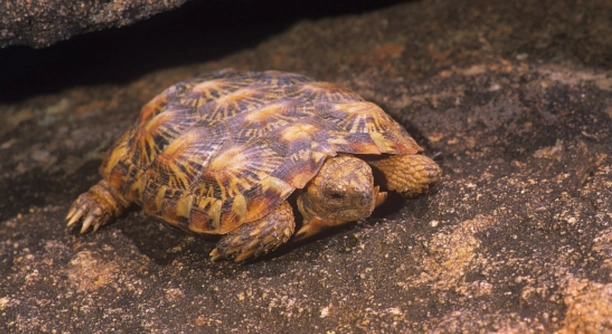
If your tortoise is waving its legs, you may be wondering what’s behind this odd behavior. Tortoises can show various movements, and understanding the reasons is important for their health and wellbeing.
The waving motion in tortoises is often related to communication or environmental factors. It could be a sign of mating behavior, territoriality, or a way to stretch muscles. Understanding these movements can provide insight into your tortoise’s habits.
There are many possible reasons for this leg-waving, and recognizing them can help ensure your tortoise stays healthy and comfortable.
Potential Reason 1: Mating Behavior
Tortoises are known for their unique courtship rituals, and the leg-waving could be part of this behavior. Male tortoises often wave their legs in an attempt to attract a female. This movement is meant to demonstrate interest and may occur during the mating season. The waving motion could also be a way for males to assert dominance or establish territory. It’s important to observe your tortoise’s behavior and surroundings during these times. If you have both male and female tortoises, this might indicate the start of mating attempts. In the wild, this behavior can also be a sign of competition among males for access to a mate.
If the leg waving is happening only during certain times of the year, this is likely due to mating instincts. Keep an eye on your tortoise’s interactions to better understand their patterns and reactions. However, it’s important to note that this behavior is typically harmless and part of their natural instincts.
Potential Reason 2: Stretching or Exercising
Sometimes, tortoises wave their legs as part of a natural stretching routine. This action helps to loosen their limbs after being in one position for a long period. Tortoises are slow-moving creatures, so they may not always get the exercise they need. Stretching helps to keep their muscles flexible and maintain good mobility. You may notice your tortoise stretching after waking up from a nap or after spending time in their shell for extended periods.
It’s crucial to provide ample space for your tortoise to move around freely. A lack of movement or confined space can lead to stiffness and other physical issues. Encouraging them to roam helps promote healthy muscle activity and keeps them from becoming too sedentary. If the leg-waving happens regularly, it’s likely just a sign that your tortoise is taking care of its physical health.
Potential Reason 3: Temperature Regulation
Tortoises rely on their environment to regulate body temperature. Leg-waving might occur when they are trying to adjust to a temperature that is too hot or too cold. The movement could help them find a more comfortable spot or indicate discomfort. A sudden change in temperature may cause your tortoise to wave its legs as a way of reacting to the shift.
If your tortoise is frequently waving its legs, check the temperature of their environment. Tortoises need a heat source and cooler areas to regulate their body temperature. Too much heat or an overly cool space can make them feel stressed, leading to unusual movements like leg waving. Adjust the environment to make sure your tortoise is comfortable.
Potential Reason 4: Infections or Injury
A sudden, unexplainable behavior like excessive leg-waving could be a sign of injury or infection. If a tortoise is hurt or feels pain, it may exhibit strange movements as a response. This could be an attempt to alleviate discomfort or draw attention to the affected area.
Check your tortoise for signs of injury or infection, such as swelling, discharge, or abnormal behavior. It’s essential to monitor their movements carefully to spot any unusual patterns. If the behavior persists, seek advice from a vet who specializes in reptiles. Timely care can prevent further complications and ensure your tortoise’s health.
Potential Reason 5: Stress or Anxiety
Tortoises, like other animals, can feel stressed or anxious, which may result in unusual behaviors like leg-waving. Changes in their environment, such as loud noises or new pets, can trigger this response. Stress can also stem from improper handling or insufficient hiding spots.
It’s important to create a calm, stable environment for your tortoise. Providing hiding spots, minimizing loud noises, and avoiding sudden changes can help reduce stress. If the leg-waving is accompanied by other signs of distress, like refusal to eat or erratic movement, it could indicate heightened anxiety.
Potential Reason 6: Overstimulation
Tortoises can become overstimulated by too much handling or interaction. If they feel overwhelmed, they may wave their legs as a sign of discomfort. Repeated or sudden contact can cause them to react with this type of behavior.
Minimize handling and allow your tortoise to settle in its environment. Overstimulation can lead to stress, which could affect their overall well-being. It’s crucial to give them space and time to adjust to their surroundings. Providing a quiet and controlled space will help prevent these issues.
FAQ
Why does my tortoise wave its legs?
Tortoises may wave their legs for several reasons. It could be part of mating behavior, a way to stretch, or an attempt to regulate their body temperature. Some tortoises may also do this due to stress or injury. It’s essential to observe their behavior and surroundings to understand the exact cause. If the movement is frequent or seems to cause distress, it’s worth consulting a veterinarian.
Is leg-waving normal for all tortoises?
Leg-waving is fairly common, especially among certain species of tortoises. However, the frequency and context of the behavior can vary. While it’s typical for tortoises to wave their legs occasionally, constant or exaggerated movement could be a sign of something that needs attention. Regular monitoring is recommended.
Can leg-waving be a sign of illness?
Yes, if the leg-waving is accompanied by other abnormal behaviors, such as lethargy, lack of appetite, or swelling, it might indicate an underlying illness or injury. Tortoises often display strange movements when in pain or discomfort. It’s best to seek veterinary care if you suspect illness.
How can I prevent stress in my tortoise?
To prevent stress, ensure your tortoise has a quiet, stable environment. Minimize loud noises, avoid sudden changes in their habitat, and handle them gently. Make sure their enclosure is large enough, and provide hiding spots where they can feel safe. Stress can lead to abnormal behaviors, so it’s crucial to keep their environment calm and predictable.
What is the best temperature for a tortoise’s environment?
Tortoises need a temperature range between 75°F and 85°F for their enclosure. A basking spot should be warmer, around 90°F to 95°F, while the cooler end of the enclosure can be slightly lower. Proper temperature regulation is key to a tortoise’s health and well-being, and incorrect temperatures may lead to discomfort and unusual behaviors like leg-waving.
Could my tortoise be overstimulated?
Yes, overstimulation can lead to leg-waving, especially if your tortoise is handled too much or exposed to excessive activity in its environment. Tortoises need time to themselves to adjust to their surroundings. Avoid excessive interaction and provide plenty of space for them to roam at their own pace.
How can I tell if my tortoise is in pain?
Pain in tortoises can manifest as unusual movements, like leg-waving, reluctance to move, or hiding more than usual. Look for other signs such as swelling, limping, or changes in eating habits. If any of these signs appear, it’s important to consult a vet for a proper diagnosis and treatment.
Why does my male tortoise wave its legs more often?
Male tortoises may wave their legs more frequently as part of mating behavior. This is often a way for them to attract females or assert dominance over other males. If the leg-waving occurs in the breeding season, it’s likely related to these instincts.
Can leg-waving be linked to a tortoise’s diet?
While diet may not directly cause leg-waving, poor nutrition can lead to health problems that may trigger unusual movements. An improper diet can lead to weakness, muscle cramps, or digestive issues, which could result in strange behaviors. Ensure your tortoise receives a balanced diet to prevent nutritional deficiencies.
Should I be concerned if my tortoise keeps waving its legs in the same spot?
If your tortoise waves its legs in a specific spot repeatedly, it could indicate discomfort with its environment or a potential injury. It might be trying to stretch or move to a different area. However, if this behavior becomes constant or excessive, it’s worth examining the enclosure or seeking veterinary advice.
How long does it take for a tortoise to adjust to a new environment?
Tortoises are creatures of habit and can take time to adjust to a new environment. It can take anywhere from a few days to a few weeks for them to feel comfortable. During this period, minimize handling and allow your tortoise to explore at its own pace. If stress continues, adjust the habitat accordingly.
Could my tortoise be trying to communicate with me?
While tortoises don’t communicate the way humans or some animals do, they can show signs of wanting attention or expressing discomfort. Leg-waving can be part of their communication during mating or to indicate stress. Always observe their behavior in context to better understand their needs.
Is leg-waving a common behavior in wild tortoises?
Yes, wild tortoises often exhibit leg-waving as part of their mating rituals or when adjusting to environmental changes. However, leg-waving may occur less frequently in the wild compared to in captivity, where tortoises may experience more stress or confinement. Understanding their natural behavior is important to provide appropriate care.
Final Thoughts
Tortoises are unique creatures with behaviors that can sometimes be puzzling. Leg-waving, though not always a cause for concern, can stem from a variety of factors. It could be related to natural behaviors like mating, stretching, or temperature regulation. However, when the movement becomes frequent or seems excessive, it’s important to consider other possible causes, such as stress, illness, or injury. Understanding these behaviors is key to providing the best care for your tortoise.
If your tortoise is displaying leg-waving, take a moment to observe its overall health and environment. A calm and stable environment is essential for a tortoise’s well-being. Stress can lead to abnormal behaviors, so minimizing loud noises, handling, and changes to their habitat can make a significant difference. Providing adequate space, proper lighting, and a consistent temperature will help create an environment that supports your tortoise’s natural instincts and behaviors.
While leg-waving may seem strange, it’s often just one of many ways a tortoise communicates its needs or adjusts to its surroundings. However, if the behavior is paired with other signs of distress, such as loss of appetite, changes in movement, or visible injury, it’s crucial to seek advice from a veterinarian. Regularly monitoring your tortoise’s behavior and maintaining a stable living environment can ensure that these curious behaviors are part of their normal routine, keeping your pet healthy and happy for years to come.

Hello,
If you enjoy the content that we create, please consider saying a "Thank You!" by leaving a tip.
Every little bit helps us continue crafting quality advice that supports the health, happiness, and well-being of pets around the world, for pets of all shapes, sizes, and species.
We really appreciate the kindness and support that you show us!