
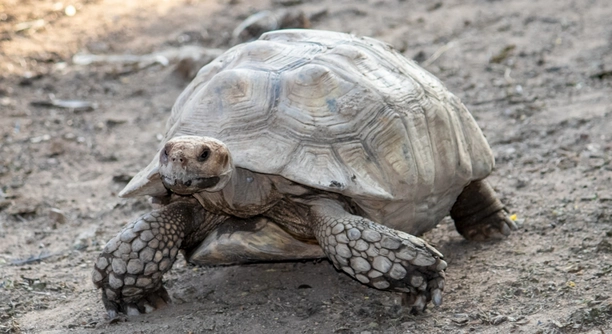
Tortoises are fascinating creatures, but when they start walking into walls, it can leave you puzzled. Understanding why this happens can help you ensure your pet’s well-being.
Tortoises may walk into walls due to various reasons, such as environmental factors, stress, or vision problems. This behavior can also be linked to a lack of stimulation or confusion from their surroundings, causing disorientation.
There are several theories behind this behavior that will shed light on the possible causes.
Environmental Factors
Tortoises are highly sensitive to their environment. If the enclosure is too small, cluttered, or poorly arranged, they may struggle to navigate, causing them to bump into walls. In the wild, tortoises are used to roaming large spaces, so being confined to a small area can lead to disorientation. The lack of clear pathways or hiding spots might add to the confusion. Additionally, sudden changes in temperature or lighting could also disorient them, making them more prone to this behavior.
When creating a habitat for your tortoise, ensure it has enough space and structure to allow for natural movement. Make sure the temperature and humidity levels are stable to keep your pet comfortable and avoid stress.
Improper lighting, such as using artificial light without proper UVB, may also affect their navigation. Providing areas for your tortoise to bask, hide, and roam freely can reduce stress and help prevent this issue from occurring frequently.
Stress and Anxiety
Stress can be a major factor in this behavior.
Tortoises can become stressed due to changes in their routine, interaction with other animals, or even loud noises. Stress may cause disorientation, leading to them walking into walls repeatedly. It’s important to create a calm and predictable environment for your tortoise.
When a tortoise feels threatened or unsafe, it can exhibit abnormal behaviors like pacing or walking into walls. Signs of stress in tortoises include hiding, loss of appetite, and aggressive behavior. If your tortoise is under stress, try to identify and eliminate potential triggers.
Vision Problems
Tortoises rely heavily on their vision to navigate their surroundings. If their vision is impaired, they might walk into walls due to confusion or inability to recognize their environment clearly. Conditions like cataracts or other eye issues can lead to this behavior.
If you notice your tortoise repeatedly bumping into walls, it could be a sign of visual impairment. It’s important to observe your pet for other signs, such as squinting, avoiding bright light, or seeming disoriented. If any of these symptoms are present, it’s worth consulting a vet for a thorough eye examination.
A tortoise with vision problems may also struggle to find food or water. As a result, ensuring their environment is easy to navigate, with clear pathways and visible landmarks, is crucial. Regular vet check-ups can help catch these issues early and prevent further complications.
Lack of Stimulation
Boredom can contribute to your tortoise’s wall-walking behavior. In a confined space with little to do, your tortoise may start walking in repetitive patterns. This is often a sign that they are not mentally stimulated enough.
To avoid this, try to enrich their environment with more engaging items, like rocks, logs, or plants that encourage natural behaviors like climbing, foraging, or exploring. Providing different textures or objects can offer both physical and mental stimulation.
By offering a variety of spaces for them to explore and interact with, you can help alleviate the monotony and prevent them from wandering aimlessly. Consider rotating objects in their enclosure every few weeks to maintain their interest.
Poor Enclosure Design
The layout of your tortoise’s enclosure plays a big role in their behavior. A poorly designed space can confuse your tortoise, leading them to bump into walls. Ensure the enclosure is spacious and has a clear pathway for movement.
Adding natural features, like rocks or hiding spots, can help your tortoise feel more comfortable and reduce wall-walking. Avoid placing too many obstacles in the path, and make sure they can move freely without feeling confined. Simple changes in the layout can make a big difference in their navigation skills.
Physical Health Issues
Physical health problems can also contribute to your tortoise walking into walls. Conditions such as arthritis or shell deformities can cause discomfort or difficulty moving. These issues may lead to disorientation or an altered gait.
Make sure to monitor for any changes in how your tortoise moves, such as limping or dragging its feet. If you notice any unusual behavior, it’s important to have a vet examine your tortoise to rule out any underlying health concerns. Prompt care can help your pet stay active and comfortable.
Habitual Behavior
Sometimes, tortoises walk into walls simply out of habit. If they’ve done it before, they may continue the behavior even if there’s no obvious reason. In some cases, it becomes a repetitive pattern.
Breaking the cycle may require some patience. Try changing their environment and adding more interesting areas for exploration. Introducing new objects or rearranging the space can help reset their behavior and encourage them to explore more thoughtfully.
FAQ
Why does my tortoise keep walking into walls?
There are several reasons your tortoise might be walking into walls. It could be due to environmental factors, like a poorly designed enclosure or lack of stimulation. Vision problems, stress, or physical health issues are other possible causes. In some cases, it might just be a habitual behavior. Understanding these different factors can help you create a more comfortable environment for your tortoise and address the underlying issue.
How can I improve my tortoise’s enclosure?
Start by ensuring the enclosure is large enough for your tortoise to move around freely. Avoid overcrowding the space with unnecessary objects that may cause confusion. Add natural elements, like rocks, logs, or plants, which allow for climbing and hiding. Clear, open pathways will help your tortoise navigate more easily. Make sure the temperature, lighting, and humidity are appropriate for your tortoise species.
Could stress be the reason my tortoise keeps walking into walls?
Yes, stress can cause confusion and disorientation in tortoises, leading them to walk into walls. Changes in their environment, loud noises, or new animals can trigger stress. Ensuring your tortoise feels safe and secure is crucial to preventing stress-related behavior. A consistent and calm environment, along with minimal disruption, will help your tortoise feel more comfortable and reduce wall-walking.
What are the signs of vision problems in a tortoise?
Vision issues in tortoises may manifest as squinting, avoiding bright light, or walking into objects. If you notice that your tortoise seems disoriented or has difficulty locating food or water, it may be a sign of visual impairment. Cataracts or other eye issues could be the cause. If you suspect vision problems, it’s best to consult with a veterinarian for a diagnosis and treatment plan.
How can I tell if my tortoise is bored?
If your tortoise is walking into walls repeatedly, it might be a sign of boredom. Tortoises need stimulation to stay mentally healthy, and without it, they may engage in repetitive behaviors. Signs of boredom also include pacing or lack of interest in food. To prevent this, enrich their environment with various objects to explore, climb on, and interact with. Rotating items in their enclosure every few weeks will help keep their interest alive.
Could physical health issues cause my tortoise to walk into walls?
Yes, physical health problems can lead to disorientation, making your tortoise more likely to walk into walls. Conditions like arthritis or shell deformities can affect their ability to move smoothly. If you notice your tortoise moving in an awkward manner, dragging its feet, or showing signs of discomfort, it may be time for a veterinary check-up. Prompt treatment for any health issues will help your tortoise feel better and move around more comfortably.
Is it normal for my tortoise to walk into walls occasionally?
Occasional wall-walking may not be a serious concern, but it can indicate that something isn’t quite right with your tortoise’s environment or health. If it’s a rare occurrence, it may just be a random accident. However, if it happens regularly, it’s important to assess factors like enclosure size, stress levels, and potential vision problems. Addressing these factors can help prevent this behavior from becoming a habit.
What should I do if my tortoise is walking into walls because of habitual behavior?
If your tortoise has developed a habit of walking into walls, changing their environment can help break the pattern. Add new objects or rearrange the space to encourage exploration and reduce boredom. Providing areas for climbing and hiding can stimulate their natural instincts and reduce repetitive behavior. If the behavior persists, try creating a more enriched environment with varied textures and different areas to explore. It may take some time, but with patience, your tortoise will adapt.
How do I know if my tortoise’s enclosure is too small?
A tortoise’s enclosure should allow them to move around freely without feeling cramped. If your tortoise seems to have limited space to walk, climb, or explore, their enclosure may be too small. Look for signs of frustration or wall-walking, which can indicate a lack of space. To prevent this, make sure their habitat is large enough for them to engage in natural behaviors and get plenty of exercise. Larger enclosures with different areas for basking, hiding, and walking are ideal.
What can I do if my tortoise seems to be stressed all the time?
To reduce stress, focus on providing a consistent and safe environment for your tortoise. Make sure their enclosure is quiet, with minimal disturbances. Provide a balanced diet, proper lighting, and temperature control to ensure their comfort. Avoid sudden changes in their surroundings and ensure they have access to both shaded and basking areas. If stress continues, consider removing any potential stressors or seeking advice from a veterinarian to identify underlying causes.
Could I be overfeeding my tortoise?
Overfeeding your tortoise can lead to obesity, which may cause lethargy or difficulty moving. If your tortoise seems sluggish or avoids exercise, it might be eating too much. Make sure to follow proper feeding guidelines based on their species and age. Offer a variety of foods, but avoid excessive amounts of high-calorie items. If you’re unsure about their diet, consulting with a vet can help ensure your tortoise is getting the right nutrients without overeating.
Final Thoughts
Understanding why your tortoise might be walking into walls involves considering several factors. It’s essential to assess the environment in which your tortoise lives, from the size of its enclosure to the arrangement of objects inside. A poorly designed enclosure can confuse your tortoise and make movement difficult. Ensuring there are clear pathways and enough space for them to explore is crucial for their well-being. Adding natural features like rocks or hiding spots can encourage them to move more naturally and reduce repetitive behaviors.
Health is another important consideration. If your tortoise is having trouble moving or appears disoriented, it might be dealing with an underlying issue, such as arthritis or vision problems. These conditions can make navigation harder, leading to behaviors like walking into walls. In such cases, it’s important to seek veterinary advice to address any potential health issues. Regular check-ups can help catch any problems early, ensuring your tortoise stays active and comfortable.
Lastly, remember that some behaviors, like walking into walls, might stem from boredom or stress. Tortoises are naturally curious animals that need mental stimulation. Without proper enrichment, they may engage in repetitive behaviors out of frustration. Ensuring your tortoise has a variety of things to explore, climb, and interact with can reduce boredom. By creating a more engaging and supportive environment, you can help your tortoise lead a happier and healthier life.

Hello,
If you enjoy the content that we create, please consider saying a "Thank You!" by leaving a tip.
Every little bit helps us continue crafting quality advice that supports the health, happiness, and well-being of pets around the world, for pets of all shapes, sizes, and species.
We really appreciate the kindness and support that you show us!