
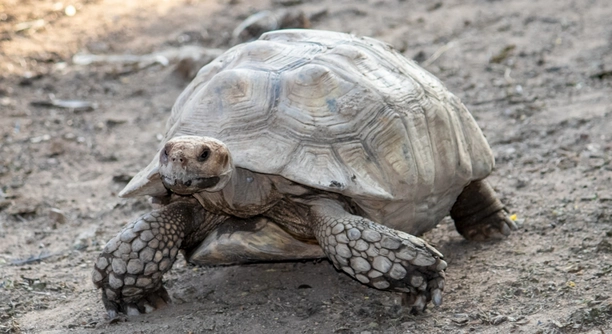
Tortoises are curious creatures, and they may try to escape their outdoor enclosures for various reasons. Understanding these behaviors will help create a better environment for your pet and address their needs effectively.
Tortoises may attempt to escape their enclosures due to factors such as boredom, the search for food, or the need for more space. Environmental discomfort, mating instincts, and temperature variations can also influence this behavior, prompting your tortoise to explore outside their habitat.
Addressing these factors will help ensure your tortoise’s well-being and prevent escape attempts in the future.
Lack of Space
Tortoises need space to roam. If their enclosure is too small, they may become restless and seek an escape. In the wild, they have large territories to explore. A cramped space can lead to frustration, making them attempt to find a larger area. Consider increasing the size of their enclosure to help reduce these attempts.
A larger enclosure mimics their natural habitat and provides plenty of room to move. It also encourages healthy activity, as tortoises like to explore. Adding more hiding spots or areas to bask can help keep them content within their home.
Make sure the enclosure has both shaded and sunny areas, and allow space for them to move freely. Adding natural plants and objects will help keep their environment engaging. By expanding their space, you will likely notice fewer escape attempts, improving their quality of life.
Temperature Fluctuations
Tortoises are sensitive to temperature changes. If the temperature inside their enclosure is too hot or too cold, they might attempt to escape to find a more comfortable environment.
Ensure the enclosure maintains a stable temperature suitable for the species. Use a thermometer to monitor the temperature and provide areas with both heat and cool zones. Tortoises can become stressed in unstable conditions, which leads to restlessness.
Mating Instincts
During mating season, tortoises may try to escape to find a mate. This is a natural behavior driven by instincts. If there are no other tortoises nearby, they might feel the urge to wander off in search of one.
If you notice this behavior, it might be a sign that your tortoise is looking for a mate. Male tortoises, in particular, can become quite determined to find a partner. Providing opportunities for them to safely interact with others of their kind, if possible, can help alleviate this urge.
However, if keeping multiple tortoises isn’t an option, ensuring your tortoise’s enclosure is secure becomes even more important to prevent them from wandering. They may try to escape if they feel frustrated or unable to fulfill these natural instincts.
Boredom
Boredom is a common cause of escape attempts in tortoises. They need stimulation to keep their minds engaged. Without objects to explore or things to do, they may become bored and look for an exit.
Providing a variety of environmental enrichment can help. Adding rocks, logs, and plants will give them something to explore. Changing their surroundings every so often will also help maintain their interest. If they feel engaged and busy, they are less likely to look for an escape route. Keeping them mentally stimulated is just as important as their physical well-being.
Creating a dynamic environment helps mimic their natural surroundings, making it easier for them to stay content. Adding some variety to their diet, such as new types of vegetables, can also provide stimulation.
Environmental Discomfort
If your tortoise feels uncomfortable in its environment, it may try to escape. Poor weather, lack of shade, or an overly wet enclosure can all contribute to their discomfort.
Ensure your tortoise’s enclosure has a suitable balance of temperature, humidity, and shelter. If the environment doesn’t feel right, they may feel the need to leave and find a more suitable place.
Check regularly for areas that may be too hot or wet. Make adjustments to keep your tortoise comfortable and avoid escape attempts caused by environmental discomfort.
Lack of Proper Fencing
A tortoise can easily escape if the enclosure isn’t properly fenced. Low or poorly constructed barriers can be climbed or dug under.
Ensure the enclosure has high enough walls and deep barriers that prevent digging. Tortoises are great diggers, so a proper fence should be placed a few inches underground to prevent them from burrowing out. Checking the enclosure regularly for weaknesses will help avoid any escape attempts.
Hunger or Thirst
Tortoises may try to escape in search of food or water. If they are not getting enough to eat or drink, they will look for it elsewhere.
Keep their food and water supply consistent. Make sure they have access to fresh water and a balanced diet of vegetables. If you’ve noticed your tortoise becoming restless or attempting to escape, consider reviewing their feeding routine.
FAQ
Why does my tortoise keep trying to escape its outdoor enclosure?
Tortoises try to escape for various reasons, including lack of space, environmental discomfort, boredom, mating instincts, temperature fluctuations, and hunger or thirst. It’s essential to assess their environment, ensure it meets their needs, and provide adequate space, stimulation, and proper temperature to reduce these escape attempts.
What can I do if my tortoise is constantly trying to escape?
If your tortoise keeps attempting to escape, try increasing the size of the enclosure, adding environmental enrichment, and ensuring the enclosure is secure. Adjust the temperature, humidity, and shelter to make sure the tortoise feels comfortable. If mating instincts are a factor, consider providing opportunities for social interactions with other tortoises.
How can I make my tortoise’s enclosure more stimulating?
To make your tortoise’s enclosure more engaging, add items like logs, rocks, and plants for them to explore. Changing the layout of the enclosure regularly and adding new textures will keep them interested. Providing opportunities for them to bask, hide, or climb will also reduce the chances of boredom-driven escape attempts.
Is my tortoise trying to escape because it’s too hot or cold?
Yes, temperature fluctuations can cause discomfort, leading your tortoise to attempt an escape. Ensure your enclosure has a proper heating system and a shaded area to help your tortoise regulate its body temperature. Use a thermometer to maintain a consistent, appropriate temperature within the enclosure.
Do tortoises dig to escape?
Yes, tortoises are natural diggers and may attempt to dig under their enclosure if it’s not secured. To prevent this, bury the walls of the enclosure a few inches into the ground. Use materials that are hard for them to dig through, such as concrete or strong plastic.
Can a tortoise escape if it’s not getting enough food or water?
If your tortoise is hungry or thirsty, it might try to escape in search of food or water. Ensure a consistent, balanced diet and provide fresh water at all times. If you notice your tortoise is attempting to escape, check its food and water supply to make sure it’s adequate.
What should I do if my tortoise escapes despite my best efforts?
If your tortoise manages to escape, immediately search for it in the surrounding area, checking under bushes, trees, and other structures. Once you’ve found it, make sure to reinforce the enclosure. It may be helpful to monitor your tortoise more closely until you are confident the enclosure is secure.
Is it normal for a tortoise to try to escape when it’s in breeding season?
Yes, during breeding season, male tortoises may try to escape in search of a mate. This behavior is driven by natural instincts. If you have multiple tortoises, providing opportunities for them to interact may reduce escape attempts. If not, securing the enclosure to prevent escapes becomes even more crucial.
How can I make sure my tortoise has enough space in its enclosure?
To ensure your tortoise has enough space, research the species’ specific size requirements and provide a large enough enclosure. Tortoises need room to roam, graze, and bask. A general guideline is at least 10 square feet of space per tortoise, but this may vary depending on the species.
Why is my tortoise always trying to climb the walls of its enclosure?
If your tortoise is trying to climb the walls, it may be searching for more space or trying to escape due to boredom. Climbing can also be a sign that the enclosure isn’t providing the right environmental conditions. Ensure the temperature, humidity, and enclosure size meet your tortoise’s needs.
Final Thoughts
Understanding why your tortoise tries to escape its outdoor enclosure is key to preventing this behavior. Common reasons include discomfort with temperature, boredom, hunger, or even the desire to find a mate. Each tortoise is different, and their needs vary depending on their species, but addressing the main causes can help reduce escape attempts.
Creating a suitable environment for your tortoise is essential. Make sure the enclosure is spacious enough, and pay attention to the temperature and humidity levels. Tortoises are cold-blooded, so they need to regulate their body temperature, and providing both shaded and sunny areas can help. Also, make sure they have access to fresh food and clean water at all times. Environmental enrichment, like adding logs, plants, or rocks, can help keep your tortoise stimulated and content.
Lastly, securing the enclosure is important to prevent escapes. Tortoises are natural diggers and climbers, so the enclosure should be deep enough to prevent digging and tall enough to discourage climbing. Regularly check the integrity of the enclosure to ensure it is free from gaps or weak spots. By understanding their needs and providing a secure, stimulating environment, you can help keep your tortoise safe and prevent escape attempts.

Hello,
If you enjoy the content that we create, please consider saying a "Thank You!" by leaving a tip.
Every little bit helps us continue crafting quality advice that supports the health, happiness, and well-being of pets around the world, for pets of all shapes, sizes, and species.
We really appreciate the kindness and support that you show us!