
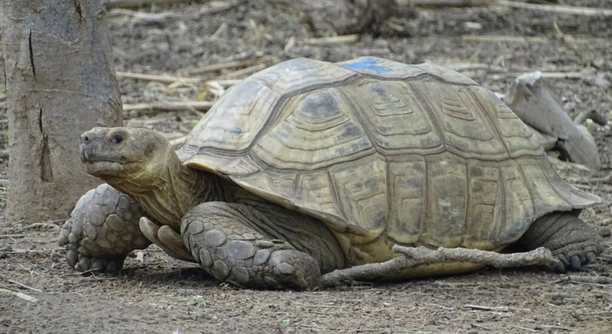
Do you ever find yourself watching your tortoise scratch at the glass, seemingly desperate to escape? This behavior can be puzzling and may leave you wondering if something is wrong or if your pet is just being curious.
The main reason your tortoise keeps trying to dig through the glass is frustration caused by its inability to understand barriers. Tortoises rely on instinct, and when they see open space beyond the glass, they believe they can reach it.
There are several reasons behind this behavior, ranging from natural instincts to environmental factors. Understanding these causes will help you create a more comfortable and enriching space for your tortoise.
Your Tortoise’s Natural Instincts
Tortoises have strong instincts that drive their behavior. In the wild, they dig to find food, create burrows, and escape predators. Glass confuses them because they see open space but cannot reach it. This frustration leads them to repeatedly scratch, push, or dig against the surface, trying to move forward. Their instincts tell them that persistence will eventually allow them to pass through. Even though they are in a safe enclosure, these behaviors remain hardwired. Providing an environment that mimics their natural habitat can help reduce this stress and make them feel more comfortable.
A tortoise’s need to roam and explore plays a big role in glass digging. If the enclosure is too small or lacks stimulation, they may feel confined. A larger space with hiding spots, climbing areas, and varied terrain can help satisfy their instincts.
Adding natural elements like soil, rocks, and plants can make their space more engaging. Ensuring they have enough space to move and dig freely can reduce frustration. If your tortoise is constantly scratching at the glass, consider adjusting their enclosure to provide a more enriching and natural environment. Observing their behavior closely will help you understand their needs and make the necessary changes.
Reflection Confusion
Glass can create reflections that trick your tortoise. When they see their own reflection, they may mistake it for another tortoise and react by trying to interact. This can lead to scratching, head bobbing, or even aggressive behavior.
Since tortoises rely on visual cues, a reflection can make them believe another tortoise is present. This can cause stress, excitement, or territorial behavior. If they think the reflection is an intruder, they may try to challenge it, leading to persistent digging or pushing against the glass. This is especially common in enclosures with clear glass on multiple sides.
To reduce reflection confusion, try covering parts of the glass with a background or placing objects near the edges to break up reflections. Adding plants, decorations, or a solid-colored background can help block reflections and make the space feel more enclosed. If your tortoise continues reacting to reflections, adjusting the lighting or moving the enclosure to a different location may also help.
Not Enough Hiding Spots
A tortoise needs places to hide to feel secure. Without enough hiding spots, they may become stressed and try to escape. This can lead to them scratching at the glass, searching for a safe area to retreat and rest.
Providing multiple hiding spots helps your tortoise feel more comfortable. You can use logs, caves, or even overturned flower pots to create shaded areas. These spaces give them a sense of security, reducing their urge to dig at the glass. Make sure the hides are large enough for them to enter fully but snug enough to feel enclosed. Placing hides in different parts of the enclosure allows your tortoise to move between them based on temperature and comfort. This small change can help minimize stress-related behaviors and make them feel more at home in their enclosure.
The placement of hides matters just as much as the number of them. A hide placed in an open area with no coverage may not feel secure enough. Position them near enclosure edges or under plants to create a more natural feel. If your tortoise is still digging at the glass, try adjusting the setup until they seem more at ease. A well-arranged space can make a big difference.
Temperature Issues
If the enclosure is too hot or too cold, your tortoise may try to escape. Tortoises regulate their body temperature by moving between warm and cool areas. If the setup lacks proper temperature gradients, they might dig at the glass to find a more suitable environment.
A proper temperature gradient means having a warm basking area and a cooler shaded area. The basking spot should be around 90–100°F, while the cooler side should be around 70–80°F. If temperatures are too extreme, your tortoise may feel uncomfortable and search for relief. A thermometer placed at different points in the enclosure helps ensure the right balance. Heating elements should be placed in a way that mimics natural sunlight, giving your tortoise control over their comfort.
Humidity also plays a role in their comfort. If the air is too dry or too humid, your tortoise may dig to regulate moisture levels. Using a hygrometer helps monitor humidity, and adjustments can be made using misting, water dishes, or better ventilation. Ensuring both temperature and humidity are within the ideal range can reduce glass-digging behavior.
Boredom and Lack of Stimulation
A tortoise needs mental and physical stimulation to stay content. Without enough variety in their environment, they may start scratching at the glass out of boredom. This behavior is their way of seeking something more engaging or attempting to explore beyond their enclosure.
Providing enrichment can help keep your tortoise active and entertained. Adding different textures, obstacles, or objects to climb over encourages natural behaviors. Rotating items in their habitat, such as logs or edible plants, can keep their space interesting. A well-stimulated tortoise is less likely to focus on trying to escape.
Seeing Food Outside the Enclosure
If your tortoise sees food outside the enclosure, they may try to reach it by digging at the glass. Their strong sense of smell makes them highly aware of nearby food sources, even if they are out of reach. Moving food out of sight can help reduce this behavior.
Incorrect Substrate Depth
Tortoises instinctively dig to regulate temperature, seek shelter, or prepare for brumation. If the substrate is too shallow, they may attempt to dig at the glass instead. Providing a deeper substrate of at least a few inches allows them to burrow naturally and can prevent excessive scratching or escape attempts.
FAQ
Why does my tortoise keep scratching at the glass?
Scratching at the glass is a natural behavior that stems from your tortoise’s instincts. They may be trying to escape because they feel confined, or they might see something beyond the glass that they want to reach. It could also be due to frustration from not having enough space or stimulation. In some cases, they may be reacting to their own reflection, which confuses them into thinking another tortoise is present.
How can I stop my tortoise from digging at the glass?
To prevent your tortoise from digging at the glass, make sure their enclosure is spacious and provides enough stimulation. Adding hiding spots, climbing objects, and varying the substrate can help. If possible, reduce the amount of reflective surfaces in the enclosure, as reflections may confuse them. Additionally, ensure that their environment mimics a more natural habitat, giving them room to roam and behave as they would in the wild.
Can my tortoise be stressed from digging?
Yes, digging behavior can indicate stress. If your tortoise is constantly trying to dig through the glass, it may be feeling trapped, uncomfortable, or bored. Stress in tortoises can lead to unhealthy behaviors, so it’s important to assess their living conditions and make sure they’re getting enough space, appropriate temperatures, and mental stimulation.
How much space does my tortoise need to be happy?
Tortoises require a spacious enclosure to feel comfortable and safe. A general guideline is to provide at least 10–12 square feet of space per adult tortoise. The more space, the better, as it allows your tortoise to move around, forage, and exhibit natural behaviors. The enclosure should also have distinct warm and cool zones to help regulate their body temperature.
What’s the best substrate for my tortoise’s enclosure?
The ideal substrate for a tortoise depends on its species, but it should be safe, comfortable, and easy to clean. A mixture of organic soil, coconut coir, and sand can provide a good balance for digging and burrowing. The substrate should be deep enough to allow your tortoise to dig and create its own hiding spots, generally about 3 to 4 inches deep. Avoid using substrates that are too dusty or harmful, such as calcium sand or gravel.
Should I place my tortoise near a window?
It’s not ideal to place your tortoise’s enclosure directly next to a window, especially if the area gets a lot of direct sunlight. While sunlight is necessary for their health, too much direct sunlight can lead to overheating, which can stress your tortoise. If you want to use natural light, place the enclosure in a spot where the temperature can be controlled and where your tortoise is not exposed to sudden temperature changes or drafts.
How can I tell if my tortoise is lonely or needs a companion?
Tortoises are generally solitary animals and do not require companions. In fact, introducing another tortoise can cause stress or territorial behavior. If your tortoise is scratching at the glass or seems restless, it’s more likely due to boredom or frustration rather than loneliness. Make sure the environment is enriched and provides enough space for your tortoise to thrive on its own.
How often should I clean my tortoise’s enclosure?
You should spot clean the enclosure daily to remove uneaten food, waste, and any soiled bedding. A more thorough cleaning should be done every two to four weeks, depending on the size of the enclosure and how messy it gets. Be sure to replace the substrate when it becomes soiled and wash all accessories thoroughly to prevent bacteria buildup.
Is it okay to have a tortoise in a glass aquarium?
While glass aquariums are often used for reptiles, they are not always the best option for tortoises. Tortoises require plenty of ventilation, and a glass tank can be too enclosed, leading to humidity and temperature imbalances. If you choose to use a glass enclosure, make sure it is large enough and has proper ventilation. Alternatively, consider a wooden or plastic enclosure designed specifically for tortoises.
Can I use artificial plants in my tortoise’s enclosure?
Artificial plants can be used in your tortoise’s enclosure to provide additional hiding spots and enrichment. However, they should be non-toxic and free from sharp edges that could harm your tortoise. Real plants are often a better option, as they can provide additional nutritional benefits and more natural enrichment. Make sure to research the types of plants that are safe for your tortoise.
Why does my tortoise keep trying to climb the walls?
Climbing behavior can occur if your tortoise feels trapped or is searching for something. They may be trying to find an exit or seeking a better environment. This behavior is more common in enclosures that are too small or lack proper stimulation. Providing climbing structures, larger spaces, and hiding spots can reduce the desire to climb the walls.
How do I know if my tortoise is healthy?
A healthy tortoise should have bright eyes, a smooth and hard shell, and a good appetite. They should move around their enclosure regularly, showing natural behaviors like foraging and basking. If your tortoise is acting lethargic, not eating, or showing signs of abnormal behavior like excessive scratching, it may indicate a health issue. Regular checkups with a vet experienced in reptiles can help ensure your tortoise’s well-being.
Can I use UVB lighting for my tortoise?
Yes, UVB lighting is essential for your tortoise’s health. UVB light helps them produce vitamin D3, which is necessary for calcium absorption and shell health. Make sure the UVB light is placed above the basking area, and it should be replaced regularly since the light loses effectiveness over time. Ensure your tortoise has access to natural or artificial UVB light for about 10-12 hours each day.
Final Thoughts
Tortoises are fascinating creatures with unique behaviors, and understanding why they dig at the glass is an important step in creating a better living environment for them. While digging is a natural instinct, it often signals that something in their habitat isn’t quite right. Whether it’s boredom, frustration, or confusion, recognizing the cause of their behavior can help you address the issue and improve their well-being.
A key factor in reducing digging at the glass is providing an enclosure that mimics the tortoise’s natural habitat. This includes offering ample space, a temperature gradient, proper substrate depth, and plenty of hiding spots. When these elements are in place, your tortoise is less likely to feel stressed and more likely to engage in natural behaviors like foraging, basking, and resting. Environmental enrichment, like adding plants, climbing structures, and different textures, also plays a crucial role in keeping your tortoise mentally and physically stimulated.
By paying attention to your tortoise’s needs and making the necessary adjustments to their habitat, you can help reduce glass-digging behavior and create a more comfortable and enriching environment. It’s important to be patient and observe your tortoise closely, as their behavior can offer valuable clues about what they need. With the right care and attention, your tortoise can thrive and enjoy a happy, healthy life.

Hello,
If you enjoy the content that we create, please consider saying a "Thank You!" by leaving a tip.
Every little bit helps us continue crafting quality advice that supports the health, happiness, and well-being of pets around the world, for pets of all shapes, sizes, and species.
We really appreciate the kindness and support that you show us!