
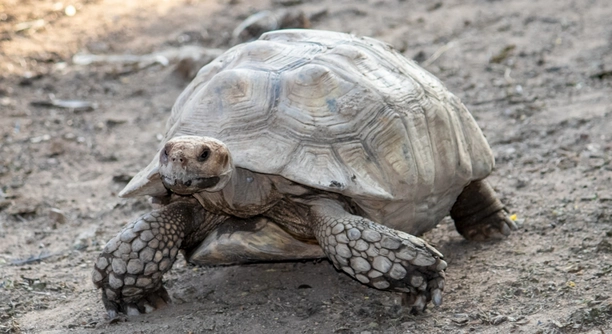
Tortoises are curious creatures, often exploring their environment in unique ways. If your tortoise keeps scratching the walls, you may be wondering what could be causing this behavior. Understanding the reasons behind it is important.
The most likely reasons for a tortoise scratching walls include stress, lack of space, environmental discomfort, or a need to find food or shelter. These behaviors can also be linked to improper enclosure conditions or a natural instinct to dig.
There are various factors that can contribute to this behavior. By addressing these causes, you can ensure a healthier and more comfortable environment for your tortoise.
Stress or Anxiety
Tortoises, like other animals, can become stressed or anxious, leading to certain behaviors like scratching walls. Changes in their environment, loud noises, or even being in close proximity to other animals can cause stress. This discomfort may manifest through repetitive movements, such as scratching. It’s essential to assess your tortoise’s surroundings and make sure it feels secure. If your tortoise is showing other signs of stress, such as hiding more or being less active, consider creating a calm, quiet space for them.
Stress can be reduced by making the environment as stable as possible. Reducing loud noises, sudden temperature changes, and overcrowding can help. Providing hiding spots and plenty of space for your tortoise to roam can also ease anxiety.
Maintaining a consistent routine and environment allows your tortoise to feel safe and secure. Proper handling and limiting disturbances will help your pet adjust and reduce behaviors like scratching. Ensuring a calm habitat is key for their well-being.
Lack of Space
Inadequate space can lead to frustration in tortoises, which may result in scratching the walls. A cramped living area prevents them from exploring or engaging in natural behaviors.
Tortoises need enough room to move around, dig, and forage. The more space they have, the less likely they are to exhibit stress-related behaviors like scratching. Make sure their habitat is large enough to allow these activities, helping keep them active and comfortable.
Environmental Discomfort
Temperature and humidity levels play a huge role in a tortoise’s comfort. If the environment isn’t suitable, your tortoise may start scratching walls or seeking escape. Tortoises require a heat source to regulate their body temperature. Without it, they can become stressed, leading to these behaviors.
Check the temperature and humidity levels within your tortoise’s enclosure. Too hot or too cold conditions can make your pet uncomfortable, causing it to scratch or become more active in an attempt to find a better spot. Keeping the habitat consistent ensures your tortoise’s comfort.
An enclosure with proper heat and humidity allows your tortoise to stay healthy. Use a thermometer and humidity gauge to monitor the conditions. Adjust the environment as needed, especially if you notice signs of distress or excessive scratching. A comfortable habitat leads to a calmer, happier tortoise.
Hunger or Thirst
If a tortoise is hungry or thirsty, it may scratch at the walls in search of food or water. This behavior is common when they are not receiving the appropriate diet. Tortoises need access to fresh food and water at all times.
Provide a balanced diet with plenty of fresh greens and vegetables. Ensure there is always clean water available, and consider adding calcium supplements for shell health. Sometimes, scratching can be a sign that your tortoise is not getting enough nutrients and is looking for food or water.
You can also experiment with feeding your tortoise at different times of the day. Some tortoises may scratch to alert their owners when it’s feeding time. Make sure to offer a varied diet that meets their needs, preventing hunger-related behaviors.
Natural Instincts
Scratching behaviors in tortoises can stem from their natural instincts. Tortoises often dig or scratch the ground as part of their search for food, shelter, or a mate. These actions are part of their survival strategy.
In captivity, a lack of natural stimuli can lead tortoises to replicate these behaviors. Scratching at walls can be a way for them to mimic the digging or searching they would do in the wild. Providing more enrichment and objects to dig around can help reduce this behavior.
Allowing your tortoise to display its natural instincts in a controlled environment helps promote its well-being. Giving your pet proper space and opportunities for digging can prevent unwanted scratching.
Lack of Stimulation
Tortoises need mental and physical stimulation to stay healthy. If they are bored or under-stimulated, they may start scratching as a way to express frustration or look for something to do.
Offer objects like logs, plants, or toys to encourage exploration and activity. Changing up the layout of their habitat from time to time can provide new challenges and prevent boredom-driven scratching. Keeping your tortoise entertained will lead to a more relaxed pet overall.
Medical Issues
Sometimes, scratching can be a sign of underlying medical problems. Tortoises may scratch at walls if they are experiencing pain, discomfort, or skin irritation. It’s important to keep an eye out for other symptoms that could indicate health problems.
If you notice abnormal behavior or physical changes, it’s a good idea to take your tortoise to a veterinarian. Medical conditions such as shell rot, skin infections, or parasites can cause discomfort that leads to scratching. Proper care and attention to their health can prevent unnecessary stress and behavior problems.
FAQ
Why does my tortoise scratch the walls of its enclosure?
Scratching is often a sign that your tortoise is trying to escape, looking for food, or is uncomfortable with its environment. Stress, lack of space, improper temperature, or even boredom can lead to these behaviors. It’s important to evaluate their living conditions to identify any areas for improvement.
How can I reduce scratching behavior in my tortoise?
Start by ensuring your tortoise has enough space to roam. A larger enclosure provides more room for exploration, which helps reduce stress. Additionally, check the temperature and humidity levels to ensure they’re within the recommended range. Add hiding spots, objects to climb, and even some safe plants to encourage natural behaviors. This will keep them engaged and reduce wall-scratching.
Should I be concerned if my tortoise scratches constantly?
Constant scratching can indicate discomfort, stress, or frustration. While occasional scratching is normal, it’s important to assess their living conditions. Look for signs of health problems, such as weight loss, lethargy, or changes in appetite. If scratching is excessive, consider taking your tortoise to a vet for a check-up.
Can lack of food cause my tortoise to scratch?
Yes, hunger or thirst can drive tortoises to scratch at their enclosure. If they are not getting enough food or water, they may be trying to escape to search for it. Make sure your tortoise has access to a well-balanced diet, including fresh greens, vegetables, and clean water at all times.
Is it okay to let my tortoise roam outside?
Letting your tortoise roam outside can be beneficial, but only in a safe, enclosed area. Make sure the environment is free from predators, and be cautious of extreme weather conditions. Monitor them closely to prevent escape and ensure they don’t consume anything harmful.
How do I know if my tortoise is stressed?
Signs of stress in tortoises can include excessive scratching, hiding more than usual, decreased appetite, or abnormal behavior. Stress can also cause your tortoise to be more active than usual or become lethargic. Check their habitat for environmental factors that might be causing the stress.
Does temperature affect my tortoise’s behavior?
Yes, temperature plays a crucial role in your tortoise’s comfort and behavior. Tortoises need a warm environment to regulate their body temperature. If their habitat is too hot or too cold, it can cause stress and lead to scratching or other unusual behaviors. Keep their enclosure within the recommended temperature range to avoid discomfort.
How often should I feed my tortoise?
Tortoises should be fed every day or every other day, depending on their age and species. Hatchlings and young tortoises need more frequent feeding than adults. Provide a variety of fresh, leafy greens and vegetables, and occasionally offer fruits. Avoid overfeeding and ensure they have a balanced diet to maintain good health.
Can a small enclosure cause my tortoise to scratch the walls?
Yes, a small enclosure can make your tortoise feel confined and stressed. Tortoises need space to move around, dig, and explore. If their enclosure is too small, they may resort to scratching or trying to escape. Consider upgrading to a larger habitat if necessary.
What should I do if my tortoise stops eating?
If your tortoise stops eating, it may be a sign of illness, stress, or environmental issues. Check the temperature, humidity, and diet. If the problem persists, or if you notice other symptoms like lethargy or changes in behavior, consult with a veterinarian to rule out any health concerns.
Can a tortoise be too old to stop scratching?
Age can affect a tortoise’s behavior, but scratching is more commonly linked to environmental factors or instincts rather than age. If your tortoise is older and still scratching, check their habitat for issues like temperature, space, or health problems. They may need adjustments to feel comfortable.
How can I prevent my tortoise from becoming bored?
Prevent boredom by providing environmental enrichment. Add objects like rocks, logs, and plants for them to explore. Vary their environment occasionally to keep it interesting. You can also hide food in different areas of the enclosure to encourage foraging behavior, keeping them mentally and physically active.
Is it normal for my tortoise to scratch at the glass?
Scratching at the glass is common, especially in smaller enclosures. It may indicate that your tortoise is trying to escape or is frustrated by the lack of space. Ensure they have enough room to move around, and if possible, provide an alternative, larger enclosure to prevent this behavior.
How do I know if my tortoise is healthy?
A healthy tortoise is active, has a consistent appetite, and maintains a proper weight. Look for clear eyes, smooth skin, and a firm, smooth shell. Any changes in these signs, along with behavioral shifts like constant scratching, should prompt a closer look at their health or environment.
Can I use sand or gravel in my tortoise’s enclosure?
While sand or gravel can mimic natural environments, it’s important to avoid loose substrates that can cause digestive issues if ingested. Stick to non-toxic, digestible substrates like organic soil, grass, or coconut coir. These materials are safer for your tortoise and promote a healthier environment.
Final Thoughts
Scratching behaviors in tortoises are common, but they shouldn’t be ignored. It’s often a sign of something amiss in their environment or health. While occasional scratching is normal, excessive or constant scratching is an indication that something needs to be adjusted. Environmental factors such as temperature, humidity, and space are critical to your tortoise’s well-being. Without proper space or stimulation, tortoises may resort to scratching in search of comfort or food. It’s essential to assess their habitat regularly and make necessary changes to ensure they feel secure.
Your tortoise’s behavior can offer valuable insight into its health and happiness. If your tortoise is scratching frequently, it’s important to consider factors like their age, diet, and medical condition. Healthy tortoises are active and eat regularly. If the scratching is accompanied by other symptoms such as lethargy, loss of appetite, or changes in their shell or skin, it may indicate an underlying issue. In such cases, a visit to a vet is recommended. If no other health concerns are present, addressing the environment and providing enrichment should help alleviate the behavior.
Ultimately, understanding why your tortoise scratches the walls is crucial for providing the best care. By making adjustments to their habitat, ensuring they have plenty of space to roam, and offering opportunities for mental stimulation, you can reduce unwanted behaviors. A proper diet, regular health check-ups, and a safe, enriching environment are key to maintaining a happy, healthy tortoise. Scratching can often be solved by simple changes to their surroundings, leading to a more relaxed and content pet.

Hello,
If you enjoy the content that we create, please consider saying a "Thank You!" by leaving a tip.
Every little bit helps us continue crafting quality advice that supports the health, happiness, and well-being of pets around the world, for pets of all shapes, sizes, and species.
We really appreciate the kindness and support that you show us!