
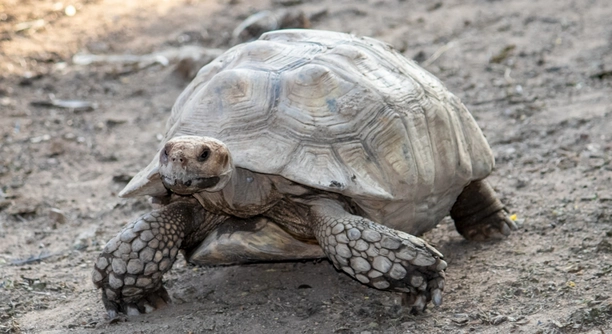
Tortoises are fascinating creatures, and sometimes their behavior can seem puzzling. One common action that may leave you wondering is when your tortoise paces back and forth. Understanding this behavior can help you provide better care.
Tortoises pacing back and forth is often due to stress, frustration, or environmental factors. These include an inadequate habitat, lack of space, or changes in their surroundings. Identifying the cause can help improve your tortoise’s well-being.
There are several reasons behind this behavior, ranging from diet to the size of their enclosure. Understanding these factors will help you create a more comfortable and healthy environment for your tortoise.
1. Stress from Environmental Factors
Tortoises can become stressed due to various changes in their environment. Factors like temperature fluctuations, loud noises, or even the presence of other animals can make them uneasy. A sudden shift in their habitat can cause them to pace, signaling discomfort. When a tortoise feels stressed, pacing may become their way of coping. Ensuring your tortoise’s environment remains stable and quiet can help reduce their anxiety.
Sometimes, environmental changes are hard to control, but paying attention to their behavior can give you a better idea of what’s going on. If you notice a tortoise pacing after moving them to a new space, it’s a good idea to monitor them carefully. Keep their enclosure away from loud sounds or heavy traffic. In most cases, once the environment is calmer, your tortoise will settle down.
You should also regularly check their habitat’s temperature and humidity levels. An ideal temperature range for most tortoises is between 75°F and 85°F. If their enclosure is too hot or too cold, it could cause stress, leading to pacing. Maintaining proper lighting is also essential, as tortoises rely on the right amount of UVB exposure to stay healthy.
2. Lack of Space
A cramped space can make any animal feel restless. If your tortoise doesn’t have enough room to roam, it may begin pacing in search of more space. This is especially common for species that are used to traveling long distances. A tortoise in a small, confined area will feel the need to walk around constantly, as if looking for a way out.
If the enclosure is too small, you might notice your tortoise trying to climb the walls or repeatedly walking in the same pattern. This behavior is often a sign that your tortoise needs more room to move. If they are pacing in circles, they may also be getting frustrated. Make sure your tortoise has enough space to stretch their legs and explore. Aim for a large enough enclosure that gives them the ability to move freely.
Providing a spacious habitat not only helps with physical activity but also promotes mental health. Tortoises thrive in environments where they can explore and engage with their surroundings. A larger space allows them to feel more secure and less stressed, which can reduce pacing.
3. Hunger or Thirst
Sometimes, pacing is simply a sign that your tortoise is hungry or thirsty. When tortoises need food or water, they might walk around their enclosure looking for it. This behavior may be more noticeable if your tortoise is not getting the proper amount of nutrients. Regular feeding times can help create a routine and reduce this kind of pacing.
Tortoises can go without food for a little while, but they still need access to fresh water every day. If your tortoise is pacing constantly, check if they have food and water available. Sometimes, a lack of hydration or an unbalanced diet can cause restlessness. Be sure to provide your tortoise with fresh greens, vegetables, and a variety of other safe foods. A nutritious diet helps maintain a healthy digestive system, which in turn, reduces unnecessary pacing.
If your tortoise is eating well but still pacing, consider the possibility that they may be looking for specific food. Some species can be picky eaters, and they might walk around as they try to find their preferred meal. If this is the case, offer a variety of options to see if their behavior changes.
4. Illness or Pain
If your tortoise is pacing more than usual, it could be a sign of illness or pain. When a tortoise is not feeling well, they may act restless and try to find a way to escape discomfort. Pacing could be an attempt to relieve themselves from physical discomfort.
A tortoise that is ill might also show other signs such as lethargy, loss of appetite, or abnormal behavior. If your tortoise’s pacing is paired with these symptoms, a visit to the vet is necessary. Sometimes, internal issues like digestive problems or respiratory infections can cause a tortoise to feel uneasy. In this case, they may pace or act out of character.
Pain, especially in the limbs or shell, can also result in pacing behavior. If a tortoise experiences injury or stress from rough handling, they may show signs of discomfort by moving in repetitive patterns. If your tortoise is experiencing persistent pacing along with other unusual signs, it’s essential to get a proper diagnosis.
5. Breeding Behavior
Pacing can also be linked to breeding behavior. Male tortoises, in particular, may pace when they sense a female nearby or during the breeding season. The pacing may be a way to search for a mate or display their readiness to breed. This is more common in certain species during specific times of the year.
If your tortoise is pacing during the breeding season, it may not be a sign of distress, but rather an instinctual behavior. They are likely trying to find a mate or signaling their interest. In the case of male tortoises, they might also become more aggressive or vocal during this time. This behavior is quite normal and will often stop once the breeding season ends. However, you should still monitor the pacing to ensure it doesn’t become excessive or tied to other issues.
Breeding behavior can be a temporary cause of pacing, but it’s important to keep their environment comfortable and provide enough space. If your tortoise is pacing excessively, even during breeding season, consider if there may be other factors at play. Make sure they have adequate resources and a secure area to help reduce unnecessary stress.
6. Curiosity
Tortoises are naturally curious animals. If they are pacing, it might be because they are exploring their surroundings. They could be trying to figure out their environment or looking for something interesting to investigate. This behavior is common, especially if they’re in a new space or unfamiliar setting.
If your tortoise is pacing out of curiosity, they may eventually stop once they’ve explored their enclosure and feel comfortable. It’s important to provide them with enough enrichment, such as new objects or areas to explore. Regularly changing their environment can help keep their curiosity satisfied.
7. Hormonal Changes
Hormonal changes can influence your tortoise’s behavior. This is particularly true for female tortoises who may pace when they’re ready to lay eggs. They might exhibit restless movements as they search for a suitable spot to dig. This is a natural part of their reproductive cycle.
During egg-laying, tortoises often pace and dig as they search for a place to lay their eggs. This behavior can increase when their reproductive hormones are in full swing. Make sure they have a safe, quiet space to do this. You can offer a nesting box for extra comfort during this period.
8. Boredom
Boredom is a common cause of pacing. If your tortoise has nothing to do, they might start pacing simply to pass the time. Tortoises are not lazy animals; they enjoy moving and exploring their surroundings. If their environment lacks variety or stimulation, pacing can occur.
To reduce boredom, make sure your tortoise has enough things to interact with, like climbing structures, hiding spots, or different textures to walk on. Rotating objects in their habitat can provide a sense of novelty. Keeping your tortoise mentally and physically engaged is essential for reducing pacing behavior.
FAQ
Why is my tortoise pacing in circles?
If your tortoise is pacing in circles, it could be a sign of stress or frustration. This repetitive behavior often indicates that they are trying to find a way out or feeling confined. It’s common when the enclosure is too small or there are environmental factors, like temperature or humidity, that aren’t ideal. In some cases, it could also be related to boredom or a lack of stimulation. Ensure your tortoise has enough space to roam and that their environment is suitable for their needs.
How can I stop my tortoise from pacing?
To stop your tortoise from pacing, make sure their habitat is spacious and well-suited to their needs. The enclosure should have enough room for them to move freely and explore. Check the temperature, humidity, and lighting levels to ensure they’re comfortable. Adding enrichment like rocks, tunnels, or plants can also help keep them mentally stimulated. Lastly, regular feeding and hydration can prevent pacing caused by hunger or thirst.
Is it normal for a tortoise to pace at night?
It is not unusual for tortoises to pace at night, especially if they are nocturnal or crepuscular species. However, excessive pacing could signal stress, illness, or discomfort. If your tortoise is pacing at night, make sure their enclosure is in a quiet, dark place where they can rest. Also, ensure that the enclosure is secure and comfortable with appropriate temperatures to avoid any disruptions to their sleep patterns.
Can pacing be a sign of illness?
Yes, pacing can sometimes be a sign of illness or pain. If your tortoise is pacing excessively, combined with other signs like lethargy, loss of appetite, or changes in behavior, they may be unwell. It could indicate internal issues like digestive problems, respiratory infections, or shell injuries. If this behavior continues, it’s important to consult a vet who specializes in reptiles to rule out any health concerns.
What should I do if my tortoise is pacing and digging?
If your tortoise is pacing and digging, it could be a sign that they are looking for a place to lay eggs, especially in females. Make sure they have access to a suitable nesting area, such as a box filled with moist sand or soil. This will provide them with a comfortable place to dig and lay eggs. If this is not the cause, pacing and digging could also indicate stress or boredom, so adjusting their habitat might help.
How much space does a tortoise need to avoid pacing?
Tortoises need a spacious enclosure to prevent pacing. The size of the enclosure will depend on the species, but as a general rule, a tortoise should have at least 10 square feet of space per individual. Larger species need even more room to move around. The enclosure should have areas for the tortoise to bask, hide, and explore. If the space is too small, they may feel confined and stressed, leading to pacing behavior.
Why does my tortoise pace when I approach their enclosure?
If your tortoise paces when you approach their enclosure, it could be a sign of curiosity or anticipation. They may have learned to associate your presence with food, attention, or interaction. However, if they seem anxious or scared, it could indicate stress. Ensure your tortoise’s enclosure is placed in a calm, secure environment, and avoid making sudden movements when approaching them. This can help your tortoise feel less anxious.
Can tortoises pace because they are bored?
Yes, boredom is a common cause of pacing in tortoises. When they have nothing to do, tortoises may walk around their enclosure out of sheer restlessness. To reduce boredom, provide a variety of objects for them to interact with, such as rocks, logs, or plants. Regularly changing their environment or introducing new elements can also help stimulate their natural curiosity and reduce pacing.
Does pacing mean my tortoise is unhappy?
Pacing can be a sign that your tortoise is unhappy, especially if it’s related to stress or discomfort. Factors such as inadequate space, improper habitat conditions, or lack of stimulation can contribute to feelings of unhappiness. It’s important to ensure your tortoise’s environment is appropriate and that they have a proper diet and regular care. A happy tortoise will be more relaxed and less likely to engage in repetitive behaviors like pacing.
How long does tortoise pacing last?
The duration of pacing depends on the cause. If it’s due to stress, it might last as long as the environmental factors causing the stress remain. Once you address the issue, such as improving habitat conditions, pacing may stop within a few days. However, if the pacing persists for weeks, it could be due to illness, hormonal changes, or other factors that require professional attention.
Can pacing be a sign of aging in tortoises?
As tortoises age, they might show more repetitive behaviors like pacing, but this is not always the case. Pacing is more commonly linked to stress, illness, or environmental factors, rather than age itself. If your older tortoise is pacing, it’s important to assess their living conditions to ensure they are comfortable. Regular check-ups with a vet can also help rule out age-related health problems that could contribute to this behavior.
Final Thoughts
Pacing in tortoises can be puzzling, but understanding the cause behind it is crucial for their well-being. Whether it’s related to stress, boredom, environmental factors, or even breeding behavior, addressing the root cause can make a significant difference in your tortoise’s behavior. It’s important to monitor their habits closely and ensure their habitat is properly set up to meet their needs. Tortoises require enough space, the right temperature, humidity, and proper lighting to thrive. Making sure these factors are in check can help reduce unnecessary pacing.
If your tortoise continues pacing despite having a suitable environment, it may be worth consulting a veterinarian. Sometimes, pacing can indicate a hidden health issue, such as digestive problems or infections. In these cases, getting professional advice is the best way to ensure your tortoise’s health is not at risk. Early detection of any illness or injury can help prevent further complications. Regular check-ups are a good practice to maintain their overall well-being.
In some cases, tortoises may simply need more stimulation to keep them from feeling restless. Providing enrichment, such as new items in their habitat, or allowing them to explore different areas safely, can help satisfy their curiosity. Each tortoise has unique needs, and taking time to understand their behavior will help you provide the best care. If you’re ever unsure about what might be causing your tortoise to pace, don’t hesitate to seek professional advice.

Hello,
If you enjoy the content that we create, please consider saying a "Thank You!" by leaving a tip.
Every little bit helps us continue crafting quality advice that supports the health, happiness, and well-being of pets around the world, for pets of all shapes, sizes, and species.
We really appreciate the kindness and support that you show us!