
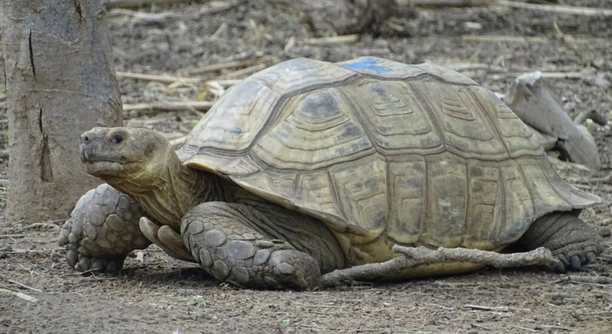
If you’ve noticed your tortoise making unusual clicking sounds, you may be wondering what’s behind this behavior. While it may sound concerning, there are several reasons why this might happen.
Tortoises often make clicking sounds due to a variety of factors, including respiratory issues, jaw problems, or even environmental stress. Understanding the root cause is essential for proper care, as these sounds could signal something that requires attention.
By exploring the potential causes, you can better understand your tortoise’s health and well-being. There are steps you can take to ensure your pet remains happy and healthy.
Respiratory Issues in Tortoises
Clicking sounds in tortoises can often be linked to respiratory infections. These infections are common in reptiles, especially when their habitat is too cold or too damp. If your tortoise is making these sounds, it might be struggling to breathe properly. Respiratory problems can lead to mucus buildup and obstruct airways, making it harder for the tortoise to breathe. This is why clicking sounds are often associated with labored breathing. If you suspect a respiratory issue, it’s essential to act quickly. Left untreated, these infections can lead to more severe health complications.
If you notice your tortoise displaying other symptoms such as wheezing or discharge from the eyes or nose, it’s a good sign that a respiratory infection is the cause of the clicking noise. Proper ventilation, heating, and humidity control in the enclosure can reduce the risk of these infections.
Veterinarians may recommend antibiotics or other treatments to clear up any respiratory infections. It’s crucial to consult a vet to ensure the infection is treated effectively. Keeping the habitat at the correct temperature is key to preventing further issues.
Jaw Problems
Clicking sounds can also come from issues with the jaw. Tortoises are known to have strong jaws, and any misalignment or discomfort in this area can create unusual noises. Problems like jaw malocclusion, where the upper and lower jaws don’t align properly, can cause clicking when the tortoise moves its mouth. This can result from injury, malnutrition, or genetics.
Sometimes, jaw problems can also be due to tooth issues. Tortoises, like other reptiles, have teeth that may wear down or become misaligned over time. In such cases, the clicking sound could be the result of the tortoise trying to close its mouth or chew with difficulty. Regular check-ups and ensuring your tortoise has the right diet will help maintain jaw health.
If the clicking noise persists, it’s worth taking your tortoise to a vet for an evaluation of its jaw health. Fixing the issue early can prevent more serious complications in the future. A proper diet and habitat adjustments can often help reduce the risk of jaw problems.
Stress and Environmental Factors
Tortoises are sensitive to their environment, and stress can lead to unusual behaviors like clicking sounds. Factors such as overcrowded enclosures, noise, or lack of hiding spots can trigger stress responses. If your tortoise feels threatened or uncomfortable, it may exhibit clicking as a sign of anxiety.
Stress-related clicking can also be accompanied by other signs, such as erratic movements, aggression, or refusal to eat. Adjusting the tortoise’s habitat by providing more space, privacy, and a calm environment may help reduce stress. Ensuring the enclosure mimics the tortoise’s natural habitat is essential for their well-being.
Temperature and humidity levels play a significant role in the tortoise’s comfort. A stressed tortoise may also exhibit behaviors like pacing, scratching, or rapid breathing. Regularly checking these factors and adjusting them as needed will help create a more relaxed atmosphere for your tortoise.
Shell Problems
Shell issues can also contribute to clicking sounds. A tortoise with shell deformities, cracks, or damage might create noise when moving its limbs or shifting its body. These issues could be caused by improper diet, injuries, or malnutrition. A tortoise’s shell is vital for its protection, and any damage or discomfort can lead to abnormal sounds.
If your tortoise is making clicking noises while moving or retracting into its shell, it’s worth inspecting the shell closely for visible signs of damage. Cracks or soft spots could indicate underlying health problems. Proper care, such as providing calcium-rich food and UVB lighting, is crucial to prevent shell issues.
In more severe cases, your tortoise may require veterinary care to address shell-related concerns. Keeping a clean, safe environment will prevent accidents or injuries that could harm the shell. Regularly inspecting your tortoise for any signs of shell health issues can help prevent long-term problems.
Respiratory Tract Obstructions
Sometimes clicking sounds happen when a tortoise has something blocking its respiratory tract. Small pieces of food or debris can get stuck in the mouth or throat, causing discomfort and making noises while breathing. It’s essential to monitor their feeding habits to avoid such issues.
If you notice your tortoise has trouble eating or breathing, check its mouth for any blockages. Gently clean the area if needed. Ensuring that your tortoise’s food is appropriately sized and free from sharp edges can help prevent obstructions.
Mites and Parasites
Mites and parasites can cause a range of health issues for tortoises, including respiratory distress. These tiny pests may affect the tortoise’s respiratory system, leading to strange sounds like clicking. If left untreated, they can worsen the health of your pet.
If you suspect mites or parasites, it’s important to examine your tortoise closely for visible signs, such as skin lesions or unusual behavior. Consulting a vet for proper diagnosis and treatment is necessary. Regular cleaning of the habitat can reduce the risk of infestation, as can proper diet and hydration.
FAQ
Why is my tortoise making clicking sounds?
Clicking sounds from a tortoise often signal that something is wrong with its health. It could be due to respiratory infections, jaw problems, or stress. Infections can cause labored breathing, leading to clicking when the tortoise exhales. Jaw issues, such as misalignment or injury, may also cause clicking when the tortoise moves its mouth. Stress, whether from environmental factors or discomfort, can trigger these sounds. It’s crucial to identify the source of the clicking so that the proper care and attention can be given.
How can I tell if my tortoise has a respiratory infection?
If your tortoise has a respiratory infection, you’ll notice signs such as wheezing, nasal discharge, or labored breathing. The clicking sound can be more prominent when the tortoise tries to breathe deeply or exhale. Additionally, lethargy, loss of appetite, and swelling around the eyes or mouth are all indicators of a potential respiratory issue. Keep an eye out for any behavior changes, as early detection can prevent more severe complications. It’s advisable to consult a vet if these symptoms persist.
What should I do if my tortoise’s shell is cracked?
A cracked shell can be concerning, as it exposes your tortoise to potential infections or further damage. If the crack is minor, you can clean the affected area gently with warm water and ensure the tortoise is kept in a safe, dry environment. If the crack is severe or if there’s any swelling or discharge, immediate veterinary care is necessary. A vet may apply special ointments or bandages to help the healing process. Regular inspection of your tortoise’s shell can help you catch problems early.
Can stress make my tortoise make clicking sounds?
Yes, stress is a common factor in unusual tortoise behaviors, including clicking sounds. Stress can be caused by overcrowding, inappropriate temperature or humidity levels, or sudden changes in their environment. If your tortoise feels threatened or uncomfortable, it may make clicking sounds as a form of communication or discomfort. Improving the habitat by reducing stressors, providing ample space, and creating a comfortable environment can help ease this issue. Ensure your tortoise feels safe, secure, and has access to the necessary environmental conditions.
How can I prevent respiratory infections in my tortoise?
Preventing respiratory infections involves maintaining the proper temperature, humidity, and ventilation in your tortoise’s enclosure. Too much moisture or cold temperatures can weaken your tortoise’s immune system, making it more susceptible to infections. Providing a heat source, UVB lighting, and ensuring proper airflow will help mimic natural conditions. It’s also important to keep the enclosure clean to avoid any bacterial buildup. Regular vet check-ups and monitoring your tortoise’s overall health are key to preventing respiratory issues.
What are some common signs of a jaw problem in a tortoise?
Tortoises with jaw problems may display difficulty eating, mouth misalignment, or clicking sounds when moving their jaws. Jaw malocclusion, where the upper and lower jaws don’t align, can be a result of injury or genetic factors. The tortoise might also have trouble closing its mouth completely or show signs of discomfort when chewing. If you notice such symptoms, it’s best to consult a vet to examine the jaw and provide appropriate treatment to prevent further issues.
How can I help my tortoise if it has parasites?
Parasites such as mites or worms can cause discomfort and health problems for your tortoise. If you notice unusual behavior, skin lesions, or changes in eating habits, it’s possible that parasites are present. A vet can help identify the specific parasite and prescribe appropriate treatment, such as medication or parasite removal procedures. Regular cleaning of your tortoise’s habitat and ensuring proper nutrition can help prevent infestations. Using a substrate that is less likely to harbor parasites and maintaining cleanliness will help keep your tortoise safe.
Can I treat a respiratory infection at home?
While it’s possible to address minor symptoms at home by improving environmental conditions (such as increasing humidity or adjusting the temperature), respiratory infections in tortoises generally require veterinary care. If your tortoise has difficulty breathing, wheezing, or shows signs of infection, it’s crucial to take them to a vet. In some cases, the vet will prescribe antibiotics to treat the infection. Timely treatment can prevent the infection from worsening, which could lead to long-term health issues.
Should I be concerned if my tortoise clicks when moving its shell?
Clicking when moving the shell could be a sign of discomfort or an underlying issue, such as a problem with the tortoise’s shell or joints. If the clicking is accompanied by other signs like swelling, discoloration, or cracking, it’s essential to have your tortoise examined by a vet. In some cases, the clicking sound may come from the movement of the limbs or shell due to bone or muscle problems. If there’s no other accompanying symptoms, it might simply be a harmless noise, but it’s always best to keep an eye on it.
How can I tell if my tortoise is stressed?
Signs of stress in tortoises include pacing, digging excessively, or being overly lethargic. Stress can also cause them to stop eating or to become more aggressive. Changes in their behavior, such as hiding more than usual or making more noise, can also indicate stress. If you notice these changes, review the environmental conditions of the enclosure, including temperature, humidity, and the presence of other pets. Reducing stressors like excessive handling or overcrowding can help your tortoise feel more comfortable.
Final Thoughts
Understanding why your tortoise makes clicking sounds is important for its health and well-being. Clicking can be a sign of various issues, from respiratory infections to stress. It’s crucial to observe your tortoise carefully and look for other signs that might indicate something is wrong. For instance, if the clicking is accompanied by labored breathing, nasal discharge, or lethargy, it may point to a respiratory problem that needs veterinary attention. Other issues, such as jaw problems or parasites, can also contribute to unusual sounds. By staying alert to changes in behavior, you can address potential problems early on.
Providing a comfortable and safe environment for your tortoise is key to preventing many of the issues that could cause clicking sounds. Ensure that your tortoise’s enclosure has the right temperature, humidity, and proper ventilation. Regularly clean the habitat to prevent the buildup of bacteria and parasites. You can also check their food to make sure it is appropriately sized and free of sharp edges that could cause harm. A healthy diet, proper lighting, and a stress-free living space will help your tortoise thrive and reduce the chances of health issues that result in clicking sounds.
If your tortoise continues to make clicking sounds despite your efforts to improve its environment, it’s always best to consult a veterinarian. A professional can help diagnose the problem and offer treatment options to ensure your tortoise stays healthy. While some causes may be minor, others, such as infections, can become serious if not addressed promptly. By acting quickly and taking steps to provide the best care possible, you can help your tortoise live a long and healthy life.

Hello,
If you enjoy the content that we create, please consider saying a "Thank You!" by leaving a tip.
Every little bit helps us continue crafting quality advice that supports the health, happiness, and well-being of pets around the world, for pets of all shapes, sizes, and species.
We really appreciate the kindness and support that you show us!