
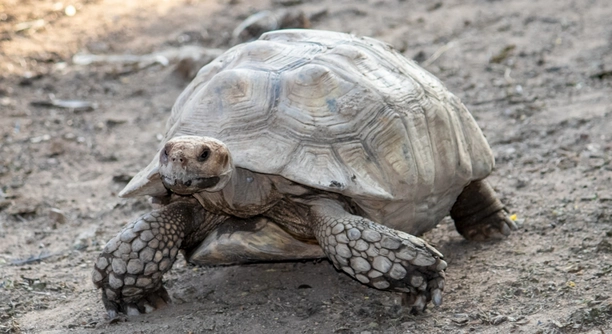
Do you ever find yourself watching your tortoise bob its head and wondering what it means? This behavior can seem odd, but it is actually quite common. Understanding the reasons behind it can help you care for your pet better.
Tortoises bob their heads for several reasons, including mating displays, territorial behavior, and social communication. This action can also indicate stress, illness, or an attempt to establish dominance. Observing the context of the behavior can provide valuable insight into your tortoise’s well-being.
This movement is more than just a random habit—it carries important messages. Knowing the possible causes will help you determine whether your tortoise is acting naturally or if something needs your attention.
Mating Behavior
Tortoises often bob their heads as part of their mating rituals. Males use this movement to attract females and show dominance over other males. This behavior is especially common during breeding season when hormones are high. Some species have more exaggerated head bobbing patterns than others. If you notice your tortoise doing this around another tortoise, it may be trying to impress a potential mate.
Males typically bob their heads more frequently than females. This movement is a way of signaling interest and establishing a connection. If you have multiple tortoises, you may see this behavior more often when they interact.
If your tortoise is bobbing its head and you suspect it is related to mating, there is no need for concern. However, if the behavior becomes aggressive, it may be necessary to separate tortoises to prevent injuries. Providing enough space and hiding spots can help reduce conflicts.
Territorial Displays
Tortoises use head bobbing as a way to claim their space. This is especially common in enclosures with multiple tortoises. If your tortoise feels threatened by another, it may use this behavior to establish boundaries.
In the wild, tortoises encounter rivals while searching for food and shelter. Head bobbing is a warning sign to others to back off. If one tortoise does not retreat, the behavior may escalate into physical interactions like shell ramming or biting. Pet tortoises can show the same behaviors, especially if they feel their territory is being invaded.
If your tortoise is bobbing its head aggressively, pay attention to its environment. Providing a larger enclosure and multiple hiding spots can reduce tension. If you have multiple tortoises, separating them might be necessary if conflicts continue. Understanding territorial behavior will help you create a more peaceful habitat for your pet.
Social Interaction
Tortoises use head bobbing to communicate with each other. This movement helps them recognize familiar faces and establish relationships. Some tortoises bob their heads when they see their owners, showing excitement or curiosity about their presence.
In groups, tortoises use head bobbing to acknowledge each other. It can be a way of greeting or showing submission to a more dominant tortoise. If a tortoise receives a head bob in return, it may continue interacting peacefully. However, if the other tortoise does not respond, it may walk away or display defensive behavior. This interaction is completely natural and usually does not lead to aggression unless space is limited.
If your tortoise bobs its head at you, it may be trying to get your attention. Some tortoises learn to associate their owners with food or care, making this movement a way of expressing excitement or anticipation.
Stress or Discomfort
Tortoises may bob their heads when they feel stressed. Loud noises, frequent handling, or sudden changes in their environment can trigger this reaction. If the behavior happens frequently, it is important to check for possible stressors and make adjustments to their habitat.
An enclosure that is too small or lacks proper hiding spots can make a tortoise feel unsafe. Overcrowding can also cause stress, especially if multiple tortoises are competing for food or basking areas. Even small changes, like moving decorations or adjusting the temperature, can affect their comfort levels. Observing their body language and environment will help determine if stress is the cause of head bobbing.
If you suspect stress, try making the environment more comfortable. Provide a quiet space, reduce handling, and ensure they have access to hiding areas. A well-maintained habitat with proper lighting, temperature, and humidity can help your tortoise feel secure and reduce unnecessary stress behaviors.
Health Issues
Head bobbing can sometimes indicate a respiratory infection. If your tortoise also has nasal discharge, wheezing, or difficulty breathing, it may need veterinary attention. Infections can develop from poor humidity levels, cold temperatures, or unclean living conditions. Early detection and treatment can prevent serious health problems.
Parasites or other internal issues may also cause unusual head movements. If your tortoise appears lethargic, loses weight, or shows other concerning symptoms, a vet visit is recommended. Regular check-ups and a proper diet help maintain overall health and prevent illnesses that could lead to excessive head bobbing.
Recognizing Patterns
Observing when and how often your tortoise bobs its head can help determine the cause. If the behavior happens during interactions with other tortoises, it is likely social. If it occurs randomly or alongside other symptoms, it may indicate stress or illness.
When to Take Action
If the head bobbing is accompanied by aggression, lethargy, or changes in appetite, further investigation is needed. Making small adjustments to their environment can often resolve minor issues. However, if concerning symptoms persist, consulting a reptile veterinarian is the best way to ensure your tortoise’s health and well-being.
FAQ
Why is my tortoise bobbing its head repeatedly?
Head bobbing is often a sign of communication. If your tortoise is doing it repeatedly, it might be trying to establish dominance, attract a mate, or communicate with other tortoises. Repeated head bobbing can also occur if the tortoise feels threatened or stressed. Observe the context of the behavior. If it happens around other tortoises or during interactions, it’s most likely social. If it happens alone or frequently, stress or health issues could be the cause.
Can head bobbing be a sign of illness?
Yes, in some cases, head bobbing can indicate illness, particularly respiratory issues. If the head bobbing is accompanied by other symptoms such as wheezing, discharge from the nose or eyes, or lethargy, it’s important to consult a vet. Illnesses can sometimes cause abnormal behaviors as the tortoise tries to adjust to its discomfort.
Should I be concerned if my tortoise starts bobbing its head all of a sudden?
Sudden head bobbing could be a response to a new environmental change, like stress from moving to a new enclosure or change in temperature. If the bobbing persists, it’s important to look for other signs of discomfort, such as hiding, loss of appetite, or respiratory issues. If the behavior is accompanied by other symptoms, a vet visit is recommended.
What does it mean if my male tortoise is bobbing its head at my female tortoise?
When a male tortoise bobs its head at a female, it’s likely part of its mating ritual. The male tortoise uses this behavior to signal interest and assert dominance over other males. If the female tortoise is not receptive, she may ignore or display defensive behavior. If this occurs frequently, it’s important to ensure both tortoises have enough space and are not feeling overly stressed.
Can head bobbing be a sign of territorial behavior?
Yes, tortoises often bob their heads to establish territory, especially in a shared space. If your tortoise feels that its territory is being invaded by another tortoise or an animal, it might use head bobbing as a warning. In a multi-tortoise household, make sure each tortoise has enough room to avoid territorial disputes.
Is it normal for a tortoise to bob its head at me?
Yes, tortoises can bob their heads at their owners, especially if they have learned to associate their presence with food or attention. It may also be a sign of curiosity or excitement. However, if the behavior is accompanied by other signs of stress or illness, it’s important to evaluate the tortoise’s health and environment.
How can I tell if my tortoise is bobbing its head out of stress?
If the head bobbing occurs alongside other stress signs like hiding, lack of appetite, or pacing, your tortoise may be stressed. Environmental factors such as noise, crowded living conditions, or improper temperature and humidity can lead to stress. Try adjusting the enclosure’s environment by ensuring it’s quiet, spacious, and well-maintained.
What should I do if my tortoise starts bobbing its head constantly?
Constant head bobbing could be a sign of stress, illness, or discomfort. First, assess its living conditions—ensure the temperature, humidity, and lighting are correct for your species. If everything seems in order but the behavior persists, it’s best to consult a reptile vet to rule out health issues.
Can head bobbing be a sign of boredom in tortoises?
Yes, tortoises can sometimes bob their heads if they are bored or lack stimulation. If your tortoise is in an environment with few activities or interactions, it might engage in repetitive behaviors, including head bobbing. Providing enrichment like hiding spots, new toys, or even a change in the enclosure can help alleviate boredom.
When should I seek veterinary help for head bobbing?
If head bobbing is accompanied by other unusual behaviors such as lethargy, loss of appetite, changes in movement, or respiratory issues, it’s important to seek veterinary help. A vet will be able to assess your tortoise’s overall health and determine whether any underlying issues are causing the behavior.
Can female tortoises bob their heads?
Yes, female tortoises can also bob their heads. However, this behavior is usually less frequent and intense compared to males. Females might bob their heads during mating season or in response to other tortoises. If the behavior becomes aggressive or excessive, it could be a sign of stress or territorial issues.
What if my tortoise is bobbing its head and acting lethargic?
Lethargy combined with head bobbing may signal illness or discomfort. This could be related to a respiratory infection, parasitic infection, or other health issues. If your tortoise’s behavior changes suddenly or if it seems unwell, it’s best to take it to a vet for a check-up.
Can a tortoise’s diet affect its behavior?
Yes, a poor diet can affect a tortoise’s behavior. If a tortoise isn’t getting the proper nutrition, it may become stressed or lethargic, which can lead to unusual behaviors, including head bobbing. Make sure your tortoise is eating the right foods for its species, and consult a vet if you’re unsure about its diet.
Final Thoughts
Understanding why your tortoise is bobbing its head can be a helpful way to better care for your pet. Head bobbing is common and can serve as a form of communication, signaling things like mating intentions or territorial behavior. It’s important to observe the context in which the behavior happens. If your tortoise is bobbing its head while interacting with another tortoise, it’s likely part of a social or mating display. If it’s happening alone or frequently, it might be a sign of stress, discomfort, or illness.
If you notice other changes in your tortoise’s behavior, such as lethargy, loss of appetite, or unusual movements, it’s a good idea to consult with a veterinarian. A healthy tortoise should be active and alert, and sudden changes in behavior might point to health issues that need to be addressed. In many cases, a slight adjustment to the tortoise’s environment, like providing more space, proper heating, or reducing stress factors, can help resolve minor problems. However, if the head bobbing continues or worsens, professional advice can make a difference in diagnosing and treating any underlying conditions.
Taking care of a tortoise means paying attention to its behavior and environment. Small changes, like adding more hiding spaces or adjusting temperature levels, can significantly improve your tortoise’s well-being. By keeping a watchful eye on your pet and understanding the reasons behind its actions, you can ensure a happy, healthy life for your tortoise. Head bobbing, in most cases, is harmless, but understanding what it means can help prevent bigger issues from developing.

Hello,
If you enjoy the content that we create, please consider saying a "Thank You!" by leaving a tip.
Every little bit helps us continue crafting quality advice that supports the health, happiness, and well-being of pets around the world, for pets of all shapes, sizes, and species.
We really appreciate the kindness and support that you show us!