
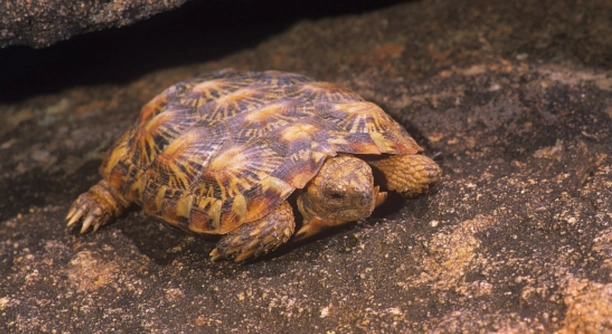
Is your tortoise often seen nibbling at your shoes, leaving you puzzled? This behavior might seem odd, but it’s more common than you might think.
Tortoises may bite shoes due to curiosity, hunger, or even the texture of the material. They might mistake shoes for food or see them as a way to engage with their surroundings, especially in an enclosed space.
Understanding the reasons behind this behavior can help you prevent it and ensure your tortoise remains healthy and happy in its environment.
Curiosity and Exploration
Tortoises are naturally curious animals, and they explore their environment by nibbling on objects they encounter. This includes shoes, which may appear interesting due to their texture, scent, or shape. A tortoise’s instinct is to investigate new things, so when it notices something like a shoe, it might start to chew on it as part of its exploration. This behavior is often harmless, and while it can be annoying, it usually isn’t a cause for concern. The shoe may also provide an opportunity for your tortoise to exercise its jaw muscles, which is important for its health.
Sometimes, the smell of the shoes can trigger this behavior. If you’ve been outside, your shoes carry scents of grass, dirt, or even food. These scents can make the shoe seem like a potential food source, leading to biting. A tortoise’s sense of smell is highly developed, and they rely on it to find food, so any unfamiliar scents may cause them to investigate further.
To manage this, it’s helpful to keep shoes out of reach or provide alternative objects for them to explore, ensuring your tortoise stays engaged and healthy without harming your belongings.
Hunger or Nutritional Deficiency
Shoes are sometimes seen as a stand-in for food, especially if your tortoise is hungry or not getting enough nutrients. If a tortoise’s diet is lacking in certain vitamins or minerals, it might start to chew on things that resemble food sources. This can include shoes, which, despite not being food, may trigger the tortoise’s instinct to eat.
If your tortoise seems to be chewing on shoes frequently, it might be worth revisiting its diet. Consider consulting a vet to ensure it’s receiving the proper nutrition. A balanced diet with plenty of leafy greens, vegetables, and the appropriate amount of calcium is vital for your tortoise’s overall health. If necessary, supplementing its diet with additional nutrients could help resolve this issue.
Ensuring your tortoise has access to a variety of appropriate foods can prevent it from mistaking shoes for something to eat.
Boredom and Lack of Stimulation
A tortoise left without enough stimulation may start engaging with things around its environment, such as shoes. This behavior can stem from a need for mental or physical exercise. When they have little to explore, they may latch onto objects simply to pass time.
If your tortoise seems to bite shoes often, it could be a sign that it’s not getting enough enrichment. Tortoises require a variety of activities to stay mentally and physically active, such as a spacious enclosure with opportunities for digging, climbing, or hiding. Providing toys or plants for them to interact with can redirect their focus away from your shoes. It’s essential to create an environment that mimics their natural habitat as much as possible.
A well-designed enclosure with proper lighting and temperature control can also reduce this behavior. If your tortoise has plenty of stimulation, it’s less likely to seek attention from your shoes. Regularly changing the scenery or introducing new objects for them to explore can keep them entertained.
Territorial Behavior
Sometimes, a tortoise might bite shoes as part of its territorial behavior. This is especially true if it feels its space is being threatened or encroached upon. Shoes can unknowingly become part of this territory, leading to biting as a sign of dominance or defense.
Tortoises, like many reptiles, have a strong instinct to defend their personal space. If they feel insecure or stressed in their environment, they may act out by nipping at objects, including shoes. It’s important to ensure that your tortoise feels safe and secure in its habitat. If it’s sharing a space with other pets or there are frequent disruptions, it may lead to territorial behavior like shoe biting.
To prevent territorial biting, try to create a calm, predictable environment for your tortoise. Limit stressors, and ensure they have enough space to roam freely without feeling threatened. This will help reduce the likelihood of territorial aggression and shoe-related biting.
Inadequate Space
If your tortoise feels cramped or confined, it may resort to biting shoes out of frustration. A small or overcrowded enclosure can make your tortoise anxious, prompting it to interact with objects in ways that seem unusual.
Providing a larger space allows your tortoise to roam freely, reducing stress and promoting natural behaviors. Tortoises need room to explore, dig, and bask in different areas. A cramped space can lead to undesirable habits, such as shoe biting. Make sure your tortoise has access to areas where it can exercise and explore safely.
Incorrect Environmental Conditions
Tortoises are highly sensitive to their environment, especially temperature and humidity. If the conditions in their enclosure aren’t ideal, they might act out by biting objects, including shoes. Ensure that their space is set up properly.
A balanced environment with the right temperature, humidity, and lighting will keep your tortoise content and less likely to bite shoes. Using a thermometer and humidity gauge can help you monitor conditions and adjust as needed. An ideal setup will encourage natural behaviors like basking, digging, and exploring, reducing the chances of shoe-related biting.
Stress from Handling
Overhandling can cause stress, leading your tortoise to act out by biting shoes. When a tortoise is frequently handled or feels overwhelmed by human interaction, it may express its discomfort by biting objects.
FAQ
Why does my tortoise keep biting my shoes?
Tortoises may bite shoes due to curiosity, hunger, boredom, or territorial behavior. They often chew on objects to explore their surroundings, especially if they are confined to a small space or lack stimulation. Sometimes, shoes may even smell like food or plants, encouraging the tortoise to bite. In other cases, they might chew as a sign of territorial behavior or to relieve stress.
Is shoe-biting dangerous for my tortoise?
While shoe-biting itself isn’t necessarily dangerous, it can lead to potential issues. If your tortoise bites shoes frequently, it might be a sign that it’s not getting enough stimulation or nutrition. In some cases, chewing on shoes could cause dental damage or digestive issues if they swallow non-food items. It’s important to monitor their behavior and prevent them from chewing on inappropriate objects.
How can I stop my tortoise from biting my shoes?
To prevent shoe-biting, make sure your tortoise has a proper environment that includes enough space and stimulation. Provide alternatives like safe, chewable items, and create an enclosure that mimics their natural habitat with plants, rocks, and other objects to interact with. Regularly change the setup of their habitat to keep things interesting for them.
Do tortoises bite for attention?
Tortoises may bite shoes if they are seeking attention, but this is less common. More often, they bite due to curiosity or a need for mental stimulation. If your tortoise seems to be biting shoes frequently when you’re nearby, it might be trying to engage with you, especially if it associates your presence with food or interaction.
Can I train my tortoise to stop biting my shoes?
Training a tortoise to stop biting shoes is possible, but it requires consistency. First, ensure your tortoise has enough space and stimulation in its enclosure. When it starts to bite shoes, gently redirect its attention to a more appropriate object. Reward positive behavior with treats to reinforce the change. Over time, this can help them associate certain behaviors with positive outcomes.
What are the best toys for a tortoise to prevent shoe-biting?
To prevent shoe-biting, offer toys that encourage natural behaviors like digging, climbing, or exploring. A simple cardboard box, tunnels, or a few non-toxic chewable items made specifically for reptiles can keep your tortoise engaged. You can also provide live plants that they can nibble on, making the experience more enjoyable.
Is it normal for a tortoise to bite objects around its habitat?
Yes, it’s quite normal for tortoises to bite objects around their habitat as part of their natural exploratory behavior. They might bite anything from rocks and plants to shoes, especially if they are in a confined space. As long as they aren’t damaging their teeth or ingesting harmful materials, this behavior is not usually a cause for concern.
Should I be concerned if my tortoise bites shoes constantly?
If your tortoise is constantly biting shoes, it might be a sign that it’s bored, stressed, or not getting the proper nutrients. While occasional biting is normal, consistent shoe-biting may indicate a lack of enrichment or an environmental issue. Make sure your tortoise’s habitat is spacious, stimulating, and meets all of its dietary and environmental needs.
Can shoes harm my tortoise if they swallow pieces?
If your tortoise chews and swallows small pieces of shoes, it could potentially cause harm. Shoes are not designed to be ingested, and certain materials might cause digestive issues or blockages. To avoid this, keep shoes out of reach and provide safe alternatives for your tortoise to chew on. Regularly check your tortoise’s stool for any signs of digestive problems.
Do tortoises bite shoes when they’re stressed?
Yes, tortoises may bite shoes as a response to stress. Stress can result from a variety of factors, such as environmental changes, excessive handling, or overcrowding. If your tortoise is acting out by biting shoes, it’s worth evaluating its environment to ensure it’s calm and secure. Reducing stressors and providing a stable habitat can help curb this behavior.
How often do tortoises need to be fed to prevent shoe-biting?
A proper feeding schedule can reduce shoe-biting, as tortoises may bite shoes out of hunger or a need for nutrients. Tortoises generally eat every other day or so, depending on their size and species. Ensure they have a balanced diet with plenty of leafy greens, vegetables, and some protein. If they’re not getting enough nutrition, they may chew on anything that resembles food.
Does shoe-biting indicate a lack of calcium?
Calcium deficiency in tortoises can lead to abnormal behaviors, including chewing on non-food items like shoes. Calcium is essential for healthy bone development, and a deficiency can result in metabolic bone disease, which might cause your tortoise to nibble on objects to fulfill a nutritional need. Offering calcium-rich foods or supplements can help address this issue.
Can I use a repellent to stop my tortoise from biting shoes?
Using a repellent to stop shoe-biting isn’t recommended. Tortoises rely heavily on their senses to explore and identify food, and a repellent could confuse or stress them out. It’s better to address the root cause of the behavior, such as boredom or lack of nutrition, rather than using a chemical deterrent.
How can I make my tortoise’s environment more stimulating?
Creating a stimulating environment for your tortoise involves adding items that encourage natural behaviors. Use rocks, logs, and plants that your tortoise can climb or hide under. You can also add digging material like soil or sand. Providing a variety of textures and scents will keep your tortoise curious and less likely to focus on shoes.
Can shoe-biting be a sign of a medical issue?
In rare cases, shoe-biting could indicate an underlying medical problem, such as dental issues or a nutritional deficiency. If your tortoise continues to bite shoes despite changes in diet or environment, it’s worth consulting a vet. A thorough checkup can rule out any health issues that might be causing abnormal behavior.
Final Thoughts
Understanding why your tortoise bites your shoes can help address the behavior in a more effective way. It’s important to recognize that tortoises often bite objects out of curiosity, boredom, or stress. In some cases, they might also do so to explore their environment or to satisfy a need for attention. By paying attention to their surroundings, diet, and overall well-being, you can make the necessary adjustments to prevent this behavior from becoming a problem.
To stop your tortoise from biting shoes, the key is to create a more enriching environment for them. Make sure their habitat is large enough and provides enough stimulation, such as hiding spots, climbing structures, and safe chewable objects. Regularly changing the layout of their enclosure can keep them engaged and prevent them from becoming fixated on biting shoes. Offering a variety of foods and ensuring they get enough nutrients can also help reduce the urge to chew on non-food items.
Ultimately, addressing the root cause of the behavior is crucial. If your tortoise is biting shoes due to hunger, boredom, or stress, providing the right environment and proper care will likely solve the issue. If the behavior persists or you notice other signs of stress or health problems, it’s always a good idea to consult with a vet. With the right adjustments and care, your tortoise can lead a healthier and more content life without the need to chew on shoes.

Hello,
If you enjoy the content that we create, please consider saying a "Thank You!" by leaving a tip.
Every little bit helps us continue crafting quality advice that supports the health, happiness, and well-being of pets around the world, for pets of all shapes, sizes, and species.
We really appreciate the kindness and support that you show us!