
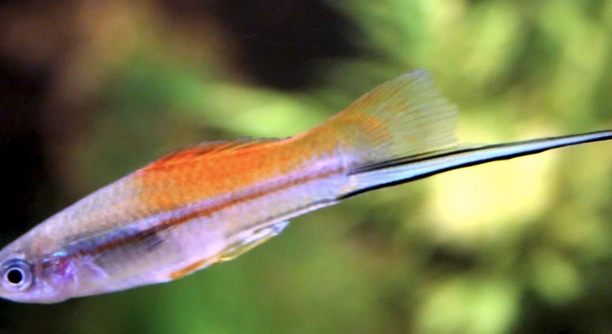
Sometimes, your swordtail might seem to stop moving for no apparent reason. Observing this behavior can be concerning, but it’s often linked to several factors that could affect your fish’s activity levels.
The primary reasons for a swordtail’s refusal to move include poor water quality, illness, or stress. These factors can lead to lethargy or reduced activity, causing your fish to stay still. Maintaining a healthy environment is crucial.
Identifying these underlying causes can improve your swordtail’s well-being and help restore its usual behavior.
Poor Water Quality
The water quality in your tank plays a vital role in your swordtail’s overall health and activity. Poor water conditions, such as high ammonia or nitrite levels, can stress your fish and cause them to become lethargic. Swordtails, like all fish, are sensitive to their environment, and they depend on clean water to stay active. When water parameters are off, it can affect their movement and behavior, making them appear inactive or sluggish.
Maintaining proper water quality is essential. Regular water changes, testing the water for harmful chemicals, and ensuring the filtration system is working correctly are key.
Over time, you’ll notice how much more energetic your swordtail becomes after improving the water quality. Fish thrive when their living conditions are clean, with stable water temperature and proper pH levels. If your swordtail is refusing to move, it’s a good idea to check the water conditions and make necessary adjustments.
Illness and Infection
A swordtail that refuses to move could also be battling an illness or infection. Common issues like parasites, bacterial infections, or internal worms can cause a fish to appear immobile. Infected fish often seek hiding spots in the tank, away from other fish. They may also have visible signs like pale coloring, fins clamped to their bodies, or lesions on their skin.
Treating the illness promptly is important to prevent further complications. Many fish stores offer medicated treatments for different types of infections. However, if your swordtail shows no improvement, it’s best to consult a vet or aquarium specialist.
Stress and Environmental Factors
Stress can cause swordtails to stop moving or act differently. Environmental factors like sudden temperature changes, overcrowded tanks, or aggressive tankmates can overwhelm them. Fish thrive in stable environments, and when their surroundings are disturbed, it can lead to inactivity.
Pay attention to your tank’s temperature, size, and the number of fish. Overcrowding can lead to competition for space and resources, which stresses the fish. Swordtails are also social creatures, but they need a balance of compatible tankmates. Aggressive fish can cause them to retreat and become inactive.
Providing a peaceful environment with appropriate tankmates and maintaining a consistent temperature will help reduce stress. If your swordtail seems overwhelmed by its tankmates or the environment, consider rehoming aggressive species or adjusting the tank setup to allow more space. A stress-free environment encourages more movement and activity.
Diet and Feeding Habits
Improper diet and feeding habits can also affect your swordtail’s energy levels. If they’re not getting the right nutrients or are being overfed, it can lead to lethargy. Swordtails, like all fish, need a varied and balanced diet to stay healthy.
Be mindful of how much and how often you feed your swordtail. Overfeeding can cause health issues like constipation, making your fish sluggish. On the other hand, a poor diet with insufficient nutrients can cause weakness and lack of energy. Make sure to feed high-quality flake food or pellets, as well as occasional live or frozen food like brine shrimp.
If you notice your swordtail becoming inactive or less interested in food, it may be a sign of an imbalance in its diet. Make adjustments as needed, ensuring they receive proper nutrition. Avoid overfeeding and provide a variety of foods to maintain their energy and health.
Water Temperature
Swordtails are sensitive to changes in water temperature. If the water is too cold or too hot, they may become lethargic and stop moving. Maintaining a stable temperature between 72°F and 82°F is crucial for their activity.
Check the water temperature regularly with a reliable thermometer. Avoid placing your tank near heaters, windows, or air conditioners that cause temperature fluctuations. Using an aquarium heater will help keep the temperature within the desired range.
Maintaining the right water temperature ensures that your swordtail stays healthy and active. Avoid sudden changes, as they can cause stress and lead to reduced movement. A stable temperature helps them remain energetic and alert.
Tank Size
A tank that’s too small for your swordtail can limit its space to swim and move around. Swordtails need room to explore, and a cramped tank can cause stress and inactivity. A minimum of 20 gallons is recommended for one or two swordtails.
If your tank is too small, consider upgrading to a larger one. More space gives your swordtail room to move, reducing stress and encouraging normal activity levels. A well-maintained tank with enough room for swimming will support your fish’s overall well-being and energy.
Aggressive Tankmates
Aggressive tankmates can cause your swordtail to feel threatened and hide more often. If it’s constantly being chased or harassed by other fish, it might refuse to move. This behavior often indicates the need to re-evaluate your tank’s social environment.
Observe your swordtail’s interactions with other fish. If aggressive species are present, it might be worth considering their removal or replacing them with peaceful alternatives. A calm environment can help your swordtail regain its confidence and movement.
FAQ
Why is my swordtail swimming upside down?
Swordtails swimming upside down is a sign of an underlying issue, often related to swim bladder problems. Swim bladder disorder can occur from overfeeding, stress, or poor water quality. It affects their buoyancy, making them struggle to maintain a normal swimming position.
To address this, first check the water quality. Make sure the tank’s temperature, pH, and ammonia levels are within safe ranges. Also, avoid overfeeding, as this can lead to digestive issues. If the condition persists, a temporary fasting period or treating with swim bladder medication may help.
How often should I feed my swordtail?
Swordtails should be fed once or twice a day. Overfeeding can lead to digestive issues, which may cause lethargy or health problems. Offer small amounts of food that your fish can consume within a few minutes.
Incorporating a balanced diet with flakes, pellets, and occasional live or frozen food will help maintain your swordtail’s energy. Monitor your fish’s behavior after feeding to ensure they are not becoming sluggish or overeating.
Can stress make my swordtail stop moving?
Yes, stress is a major factor that can cause swordtails to refuse to move. Changes in their environment, overcrowding, aggressive tankmates, or water quality issues can make your fish feel anxious, leading to reduced activity.
To reduce stress, maintain a peaceful tank with suitable tankmates. Keep the water clean and at a stable temperature. Providing enough space and hiding places will also help swordtails feel safe, allowing them to swim freely without the stress of constant threats.
What water temperature is best for swordtails?
Swordtails thrive in water temperatures between 72°F and 82°F. Water that is too cold or too hot can stress the fish and reduce their movement. Keeping the temperature consistent is also important for maintaining their overall health.
Investing in a good aquarium heater and thermometer will help regulate the temperature. Avoid sudden temperature fluctuations, as they can cause stress and make your swordtail inactive. Regular monitoring of the temperature ensures your fish stays comfortable and active.
Why is my swordtail hiding all the time?
Swordtails may hide when they are feeling stressed, unwell, or threatened. Stressors such as poor water quality, aggressive tankmates, or changes in the environment can cause them to retreat into hiding places.
Check the tank for aggressive fish or environmental changes that may be causing the issue. Make sure the water parameters are balanced, and if the hiding persists, look for signs of illness. In some cases, the addition of more hiding spots or plants may help your swordtail feel more secure.
How can I tell if my swordtail is sick?
Signs of illness in swordtails include lethargy, loss of appetite, discoloration, clamped fins, or abnormal swimming behavior. If your swordtail refuses to move or stays at the bottom of the tank, it may be a sign of illness.
Inspect your fish for visible symptoms such as lesions, swelling, or damaged fins. Changes in behavior, such as staying in one spot or swimming erratically, can also indicate that something is wrong. If you notice any of these signs, isolate the sick fish and treat accordingly with medication or a salt bath.
Can I keep swordtails with other fish?
Swordtails are generally peaceful and can live with other community fish, especially those that are similar in size and temperament. Avoid keeping them with aggressive species or fish that might stress them out.
When choosing tankmates, consider peaceful species like guppies, tetras, or other livebearers. Ensure the tank is spacious enough for all fish to have their own territory. A harmonious tank setup will encourage all fish, including swordtails, to swim freely and stay active.
Why is my swordtail not eating?
If your swordtail isn’t eating, it could be due to stress, illness, or poor water quality. Stressful tank conditions or aggressive tankmates can reduce their appetite. Similarly, an unbalanced diet or water temperature can also affect their interest in food.
Check the water parameters and make sure they are within the recommended range. Ensure the tank is peaceful, and try offering a variety of foods. If your swordtail continues to refuse food, it may be sick, and you should observe for other signs of illness.
Can swordtails get constipated?
Swordtails can suffer from constipation, especially if they are overfed or given food that’s hard to digest. Symptoms of constipation include bloating, floating at the surface, or not swimming normally.
To help with constipation, offer your swordtail a fasting period of 24 to 48 hours. Afterward, you can try feeding them blanched peas or high-quality food to help with digestion. Avoid overfeeding in the future to prevent constipation from reoccurring.
How long do swordtails live?
Swordtails typically live for about 3 to 5 years in optimal conditions. Their lifespan can be affected by water quality, diet, and tank conditions. Swordtails kept in well-maintained aquariums with proper care can live longer.
Maintaining a clean tank, balanced diet, and stable environment will help your swordtail live a longer, healthier life. Regular water changes, temperature control, and monitoring their health are essential for maximizing their lifespan.
Final Thoughts
Swordtails are generally hardy and active fish, but their refusal to move can be a sign of various issues. The key to maintaining their health and activity lies in providing a stable environment. Consistent water temperature, a balanced diet, and peaceful tankmates play a significant role in their well-being. By ensuring these factors, your swordtail will likely return to its usual lively self.
Monitoring the water quality is one of the most important steps in keeping your swordtail healthy. Ammonia and nitrite levels should be kept to a minimum, and regular water changes are essential. Along with good filtration, proper water parameters help avoid stress, which can lead to inactivity. Swordtails are sensitive to fluctuations, so maintaining a consistent, clean environment will prevent many potential health issues.
Lastly, keeping an eye on your swordtail’s behavior is important for early detection of any health concerns. Stress, illness, or improper water conditions can cause your fish to become lethargic. If problems are caught early, they are easier to manage and resolve. A calm and well-maintained aquarium encourages swordtails to swim freely and stay healthy, ensuring they remain an active and vibrant part of your aquarium.

Hello,
If you enjoy the content that we create, please consider saying a "Thank You!" by leaving a tip.
Every little bit helps us continue crafting quality advice that supports the health, happiness, and well-being of pets around the world, for pets of all shapes, sizes, and species.
We really appreciate the kindness and support that you show us!