
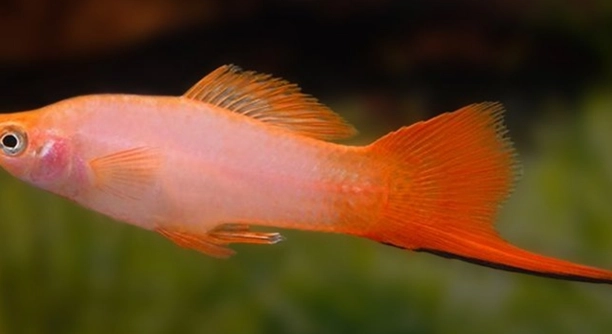
Do you ever find yourself worried when your swordtail fish starts acting differently, like hiding in corners or shaking more than usual?
The most common reason a swordtail hides and shakes is stress caused by poor water conditions, sudden environmental changes, illness, or aggression from tank mates. Identifying the source is crucial for proper care and treatment.
Recognizing what might be causing your swordtail’s behavior can help you respond quickly and prevent more serious issues in the future.
Common Reasons Swordtails Hide and Shake
Swordtails often show signs of stress or discomfort through changes in behavior, like hiding and shaking. One common cause is poor water quality. High ammonia, nitrite, or nitrate levels can irritate their gills and skin, making them anxious and sick. Temperature fluctuations and sudden tank changes, like a recent cleaning or new décor, can also unsettle them. If another fish is bullying your swordtail, it might hide to avoid conflict. Diseases such as ich or internal parasites may trigger shaking and isolation. In some cases, low oxygen levels or poor tank circulation can add to the problem. Monitoring water parameters regularly and making gradual changes can help avoid unnecessary stress. Using a test kit and keeping the tank stable gives your swordtail a better chance to stay healthy. When you see these signs, it’s important to act early. Early attention often makes a big difference in how well they recover.
Try to observe how often the behavior happens and if it follows a pattern after feeding, cleaning, or adding new fish.
Taking time to quietly watch your swordtail throughout the day can help you pick up on changes before they get worse. Look for any spots, frayed fins, or labored breathing.
What You Can Do to Help
Start by checking the water quality and temperature to make sure conditions are stable and clean.
If the water parameters are safe and the temperature is steady, consider the social setup in the tank. Remove aggressive tank mates or add hiding spots using plants or decorations to reduce stress. If illness is suspected, quarantine the affected fish and treat with a medication designed for the issue. Always follow instructions carefully when adding medicine. Feeding a balanced diet also helps support a swordtail’s immune system. Avoid overfeeding, which can lead to waste buildup and water problems. In some cases, behavior may be temporary, especially after a move or new tank setup. Be patient but stay observant. If signs continue for more than a few days or get worse, consulting a local aquarium expert or vet who handles fish might be necessary. Keeping your tank consistent and calm creates a safe space where your swordtail can feel at ease again.
When to Worry and Take Action
If your swordtail is hiding and shaking for more than a day or two, it’s time to take a closer look. Long-lasting symptoms often signal something more serious that needs attention and possibly treatment.
Look closely for physical signs like white spots, clamped fins, or bloating. These can point to common illnesses like ich or internal parasites. If you see rapid breathing or your fish refuses to eat, don’t wait—move it to a separate tank if possible and begin treatment based on symptoms. Use aquarium salt or store-bought medications as directed, depending on the issue. Keeping lights low and the tank quiet can also reduce stress. If you’re unsure what the problem is, check your water quality right away. Water issues are often the root of many health problems in fish. Staying calm and acting steadily can help your fish recover more quickly and safely.
If you’ve tested your water and it’s within normal ranges, yet the behavior continues, consider if the issue could be internal. Some conditions like swim bladder disease or organ problems may not show clear external symptoms. In these cases, proper diet and a quiet environment help with recovery. Still, extended symptoms often mean it’s best to speak to a vet or local aquarium specialist. Avoid adding new fish or making tank changes during this time. Give your swordtail some stability and room to recover. Even a small shift in tank dynamics can make things worse if your fish is already stressed. Being watchful during this period can make a big difference.
How Environment Affects Behavior
A noisy or high-traffic area around the tank can cause your swordtail to feel unsafe. Constant movement, tapping on the glass, or loud sounds can lead to hiding and nervous behavior, especially if the tank lacks cover.
Tank lighting that is too bright or left on too long can also stress your swordtail. Natural day-night cycles help them feel secure. Use a timer if needed and make sure there are shaded areas or plants for retreat. Keeping the tank calm and quiet supports healthy behavior.
Importance of a Balanced Diet
Feeding your swordtail a poor or unvaried diet can lead to stress, weakness, and odd behavior like shaking. They need a mix of high-quality flakes or pellets, plus occasional protein from sources like brine shrimp or bloodworms. Avoid overfeeding, as this can foul the water and harm their health. Feed small amounts once or twice a day and remove uneaten food quickly. A strong immune system begins with good nutrition. Healthy fish are more active, alert, and less likely to hide. Making diet a priority helps prevent illness and supports their overall behavior and mood.
Keep an Eye on Changes
If your swordtail starts hiding more often or shows new signs, try to spot changes early. Noticing patterns helps prevent bigger problems later.
FAQ
Why is my swordtail shaking?
Shaking or twitching can be a sign of stress, discomfort, or illness. Common causes include poor water quality, sudden temperature changes, or illness like ich or parasites. It’s important to monitor their environment and look for any external signs of disease such as spots or clamped fins. If the shaking continues for more than a day or two, it’s best to take action by checking the water parameters and possibly isolating the fish for treatment.
Is it normal for swordtails to hide?
Yes, swordtails do hide occasionally, especially when they feel stressed, threatened, or unwell. A swordtail might hide if it’s adjusting to a new tank, being bullied by other fish, or if the environment is too noisy. Providing plants, rocks, or other hiding spots can make them feel more secure.
How can I reduce stress for my swordtail?
Reducing stress for your swordtail involves maintaining stable water conditions, offering plenty of hiding spots, and minimizing disturbances around the tank. Ensure the tank is in a quiet area, free from vibrations or loud sounds. Avoid sudden changes in temperature or water conditions, and feed a balanced diet. Regular tank maintenance also plays a key role in reducing stress.
Can poor water quality cause swordtails to shake?
Yes, poor water quality is a common cause of stress and can result in shaking or hiding. Ammonia, nitrites, or high nitrates in the water can irritate a swordtail’s gills and skin, leading to discomfort. Regularly test your water and keep the parameters in check. Perform water changes as needed to maintain a healthy environment.
What is the best temperature for swordtails?
Swordtails prefer a water temperature between 72°F and 78°F (22°C-25°C). If the temperature fluctuates too much or gets too high or low, it can cause stress. A steady, moderate temperature is ideal for their health and well-being. Invest in a reliable aquarium heater to keep the water at a consistent temperature.
Should I worry if my swordtail is swimming at the surface?
Swimming at the surface is normal for swordtails at times, but if it’s persistent, it could be a sign of a problem. Some possible causes are low oxygen levels, an issue with the gills, or swim bladder problems. Check your filtration system to ensure proper oxygenation. If it continues, consult an expert.
Why is my swordtail not eating?
Loss of appetite in swordtails can be a sign of stress, illness, or water quality issues. When a swordtail is stressed or sick, it might refuse food. If your swordtail has been hiding or shaking, check the water and make sure the tank mates are not aggressive. If the problem persists, consider isolating the fish to monitor it more closely.
What can I do if my swordtail has white spots?
White spots on a swordtail are a common sign of ich, a parasitic infection. If you notice this, you should act quickly to treat the tank with a medicated solution designed for ich. Increasing the water temperature slightly can help speed up the life cycle of the parasite, but always follow the recommended guidelines for medication and temperature adjustments.
How often should I clean my swordtail tank?
Regular cleaning is essential to maintain a healthy environment. It’s recommended to perform partial water changes every week, removing about 25-30% of the water. You should also clean the substrate and filter regularly to prevent the buildup of waste. Overcleaning can cause stress, so aim for consistency without disrupting the tank too much.
Can swordtails get along with other fish?
Swordtails are generally peaceful, but they can sometimes be bullied by more aggressive tank mates. They typically get along well with other non-aggressive fish. However, avoid placing them with fin-nippers or overly territorial species. Be sure to choose compatible tank mates to keep your swordtail comfortable and stress-free.
How can I tell if my swordtail is sick?
Sick swordtails may display abnormal behavior, like hiding more than usual, shaking, or swimming erratically. Look for signs such as clamped fins, lesions, discoloration, or unusual spots on the body. Changes in appetite or breathing can also indicate health issues. If you notice any of these symptoms, act quickly to address the problem, such as isolating the fish or improving tank conditions.
Can I treat my swordtail with salt?
Aquarium salt can be helpful for certain health problems like mild skin irritations or parasites. It’s important to use the correct amount and dissolve it in water before adding it to the tank. Always follow guidelines and be aware that some fish are sensitive to salt, so use it cautiously and only when necessary.
Why does my swordtail’s color seem dull?
Dull colors in swordtails can indicate stress, poor water conditions, or illness. Stress factors such as aggressive tank mates, poor water quality, or sudden environmental changes can cause their colors to fade. Improving water quality, providing a more stable environment, and reducing stress can help restore their natural colors over time.
Can swordtails survive in a smaller tank?
While swordtails can live in smaller tanks, they do better in spaces that allow for swimming and the addition of plants and hiding spots. A minimum of 20 gallons is recommended for a small group of swordtails. Overcrowding can cause stress and health problems, so always keep the tank size in mind when planning your aquarium setup.
Do swordtails prefer to be in groups?
Swordtails are social creatures that prefer being with others of their kind. Keeping more than one swordtail can reduce stress and prevent loneliness, which can lead to behavioral issues. However, it’s important to ensure your tank has enough space for multiple fish, as overcrowding can lead to territorial behavior.
Final Thoughts
Understanding why your swordtail hides and shakes is crucial to ensuring its well-being. Stress, poor water quality, or illness are often the main factors causing these behaviors. By paying attention to your swordtail’s environment and habits, you can identify issues before they become serious. Regularly checking water parameters like ammonia, nitrites, and nitrates can help prevent many problems. Maintaining a steady temperature and avoiding sudden changes in the tank also make a big difference in your fish’s comfort. Creating a peaceful and stable environment reduces stress, which helps your swordtail stay healthy and active.
If you notice your swordtail behaving differently, it’s important not to ignore the signs. Whether it’s hiding more than usual or shaking, these can be early warnings of potential health problems. Early intervention can prevent more serious issues and increase the chances of a quick recovery. Simple steps like improving water quality, ensuring the tank is clean, and providing a balanced diet can all help your swordtail feel more comfortable. If you’re unsure, seeking advice from a vet or aquarium expert can provide additional guidance to get your fish back to good health.
Ultimately, swordtails are resilient fish, and many of the issues that cause them to hide or shake are manageable with the right care. By observing their behavior, maintaining a stable environment, and being proactive when changes occur, you can create a space where your swordtail thrives. Keeping their tank clean, offering proper nutrition, and reducing stress factors will help ensure a long, healthy life. Always take the time to address any issues that arise, and your swordtail will thank you with its bright colors and lively behavior.

Hello,
If you enjoy the content that we create, please consider saying a "Thank You!" by leaving a tip.
Every little bit helps us continue crafting quality advice that supports the health, happiness, and well-being of pets around the world, for pets of all shapes, sizes, and species.
We really appreciate the kindness and support that you show us!