
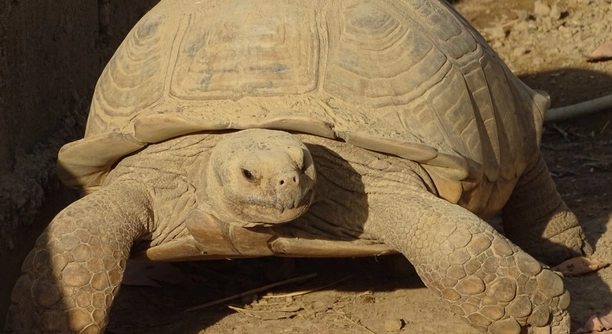
Do you have a sulcata tortoise and find yourself wondering why it keeps staring at you?
The staring behavior of sulcata tortoises is often a sign of curiosity or an attempt to engage with their environment. They may also do it as a way of seeking attention, bonding, or simply observing their surroundings.
Understanding the reasons behind your tortoise’s gaze can help you better interact with and care for your pet, ensuring both their well-being and your bond.
Why Do Sulcata Tortoises Stare at Their Owners?
Sulcata tortoises are known for their curious nature. When they stare at you, it can be their way of trying to understand what’s going on around them. Tortoises, in general, are very observant creatures, using their sharp eyesight to gather information about their surroundings. If your tortoise is constantly watching you, it could simply be trying to figure out what you’re doing. They are intelligent enough to recognize routine, and if you are often present at certain times, like when it’s feeding time, they may be anticipating what’s next. It’s not always a sign of distress or discomfort.
They also might be observing you because they associate you with food or treats. Some tortoises learn to recognize their owners and will watch them intently, waiting for something to happen. This can be especially true if you have a consistent feeding schedule.
If your sulcata seems to follow you with its eyes, don’t be alarmed. This is normal behavior for an animal that’s learning from its environment and experiences.
Does the Staring Mean Anything?
Your tortoise could be staring at you because it feels safe around you. It might simply be engaging with you out of comfort and trust.
Sulcata tortoises are solitary animals, but they are not as shy as some other reptiles. They can form a bond with their caregivers, and staring can be a form of attachment. Over time, these creatures start to recognize their owners and may show interest in your movements. They might even seek out your company if they enjoy your presence. Even though they don’t show affection like a dog, staring can be a subtle sign that they have grown used to you.
Being calm and consistent with your tortoise will help it feel more comfortable with you. If the staring is accompanied by other behaviors, such as following you or responding to your actions, it shows that your tortoise has started to trust you and is actively engaging in its environment.
What Should You Do About It?
If your tortoise stares at you, there’s no need to worry. It’s simply part of their behavior. However, there are a few things to consider when interacting with your pet. First, ensure that it has enough space to move around. Sometimes, tortoises stare because they feel confined or are trying to see more of their environment. They need room to roam and explore.
Second, check if your sulcata is getting enough to eat. If it associates you with food, the staring might be a sign that it’s hungry or expecting a meal. Be sure to provide a balanced diet, so your pet doesn’t start associating you with food all the time. Finally, remember that tortoises can be creatures of habit. If you’re doing something new, they might stare out of curiosity or confusion. Keep a consistent routine to help them feel more at ease.
If your tortoise continues staring without other signs of distress, it’s simply their way of observing their environment.
Is Your Sulcata Tortoise Staring Out of Curiosity?
Sometimes, sulcata tortoises stare simply because they are curious. Their sharp vision helps them understand what’s happening in their environment. When something or someone catches their attention, they will focus on it for a long time. This is a natural behavior that happens when they’re trying to make sense of something new or unfamiliar.
Tortoises are more observant than we often give them credit for. They take in their surroundings and analyze movement. If you’re doing something, like walking by or cleaning their enclosure, they might follow you with their eyes to see what you’re up to. It’s a way for them to stay aware of potential changes in their environment. The act of staring is them processing information, trying to figure out what might happen next.
They will also look at you if they’re waiting for you to do something, like offer food. Tortoises may start to anticipate your actions after being conditioned to your routine.
Could Stress Be the Cause?
In some cases, constant staring could indicate that your tortoise is stressed. Changes in its environment, such as a move to a new tank or a new home, can trigger anxiety. If the tortoise is unfamiliar with its surroundings, it might keep looking for signs of danger or threats. When stressed, sulcatas may be more watchful and alert, as they’re trying to assess whether they are safe.
Stress could also come from a lack of space. If your tortoise feels too confined, it may stare as a way to gauge its options. It’s important to check that your sulcata has enough room to roam around freely. If it’s in a cramped space, this could contribute to the staring behavior. Staring may also happen if there are other animals nearby or if the environment is too noisy or overwhelming.
Taking the time to create a calm, spacious, and secure habitat for your sulcata can reduce stress-related staring. By minimizing disruptions, you help your tortoise feel more comfortable in its space.
Is Your Sulcata Tortoise Staring for Attention?
Tortoises can stare at you when they want attention. Over time, they begin to associate your presence with positive experiences like feeding or playtime. If they notice you often, they may look at you, hoping you’ll interact with them.
Your sulcata may also stare to catch your eye for companionship or contact. Unlike some animals, they don’t seek constant interaction, but they can recognize when their surroundings are calm and familiar. They will likely become more comfortable in your presence over time, learning that you are a source of food, care, and safety.
Is Your Tortoise Staring Due to Hunger?
If your tortoise associates you with food, it might stare because it’s hungry. Tortoises are creatures of habit and often link their owners with mealtime. They are likely observing you for signs of feeding.
You’ll notice your sulcata staring at you, especially around its regular feeding times. If it hasn’t been fed in a while, it will become more focused, waiting for you to bring food. It’s important to establish a feeding schedule so that your pet knows when to expect meals, which can help reduce constant staring.
Could It Be Due to Health Issues?
If your sulcata tortoise stares excessively and doesn’t seem to engage in other activities, it may be a sign of health problems. Staring might occur if your tortoise feels unwell, lethargic, or has vision issues. Keep an eye out for any signs of illness, like changes in eating habits, behavior, or skin.
If you suspect health concerns, it’s best to consult with a veterinarian who specializes in reptiles. Ensuring your tortoise is in good health will help it live a long and active life. Always monitor for abnormal behaviors to catch potential issues early.
FAQ
Why does my sulcata tortoise stare at me?
Sulcata tortoises are naturally curious creatures. They may stare at you simply because they are trying to understand what you’re doing, especially if it’s a part of their routine. If they associate you with food or care, staring could also be their way of seeking attention. Over time, they learn to recognize their owners, and this behavior is part of their attempt to bond. They might also stare if they’re trying to figure out their surroundings, particularly if something is different or new in their environment.
How do I know if my tortoise is stressed?
Stress in tortoises can be signaled by behaviors like excessive staring, restlessness, or hiding. If your sulcata seems overly alert, it may be stressed due to changes in its environment or living conditions. A cramped enclosure, new pets, or loud noises can contribute to stress. If your tortoise starts pacing or appears unusually withdrawn, these could also be signs of stress. Creating a peaceful environment and making sure your tortoise has plenty of space can help reduce these stress indicators.
Is it normal for my tortoise to follow me with its eyes?
Yes, it’s completely normal for a sulcata tortoise to follow you with its eyes. Tortoises are observant animals and tend to keep track of their surroundings. If you move around, they’ll likely follow your movements as part of their curiosity and interest in what you’re doing. They can learn to recognize their owners and will focus on them, especially if they expect food or interaction. This behavior can also show that your tortoise is comfortable with you.
How can I stop my tortoise from staring at me all the time?
If your tortoise is staring at you excessively, it might be due to hunger or boredom. Ensure that your sulcata has a consistent feeding schedule and a stimulating environment. Provide different types of food, and offer enrichment activities like hiding treats or introducing safe, new objects into its habitat. If your tortoise has plenty of room to roam and explore, the staring may lessen as it becomes more focused on other things in its environment. Make sure your tortoise has a proper diet, as nutritional deficiencies can lead to behaviors like constant attention-seeking.
What does it mean when my tortoise stares at its food bowl but won’t eat?
When a sulcata tortoise stares at its food bowl but doesn’t eat, it could be due to a number of reasons. It might not be hungry, or it could be stressed. Sometimes, sulcatas are picky eaters, or they may have a preference for specific types of food. Check the temperature of its habitat, as tortoises are more likely to eat in the right conditions. If the environment is too hot or cold, it may affect your tortoise’s appetite. If your tortoise continues to refuse food, it’s important to monitor its overall health and consider consulting with a vet.
Is staring a sign of affection from my tortoise?
While tortoises don’t show affection in the same way as dogs or cats, staring can be a sign of familiarity and comfort. If your tortoise stares at you without signs of distress, it may just be its way of observing you and becoming accustomed to your presence. Over time, as you build a bond with your tortoise, this behavior can reflect trust. It may feel comfortable enough to watch you as it recognizes that you are not a threat and that it can safely be around you.
Can my tortoise be bored from staring too much?
Yes, boredom can lead to staring, especially if a tortoise doesn’t have enough to do in its enclosure. Tortoises need a variety of activities to engage in, such as climbing, hiding, or foraging for food. If your sulcata doesn’t have enough space or enrichment, it might resort to staring at you or its surroundings out of sheer boredom. Adding more objects or toys to its habitat, like rocks or plants, can help provide mental stimulation. Additionally, taking your tortoise out for supervised walks or offering food in a more challenging way can keep it entertained.
How can I tell if my tortoise is uncomfortable while staring at me?
If your sulcata tortoise is staring at you and seems uncomfortable, there may be signs like rapid eye movement, heavy breathing, or frequent changes in posture. If your tortoise is backing away or retracting into its shell while staring, it may be trying to signal that it feels threatened or uneasy. Make sure the environment is calm and secure. Sudden movements or loud noises can startle your tortoise, making it anxious. If you notice any signs of physical discomfort, such as limping or swollen eyes, it may be time to see a vet.
Should I worry if my tortoise stares at nothing?
Staring at nothing is a common behavior for sulcata tortoises. They may appear to be zoning out, but this is often a sign of their natural observation habits. It could also be because they are trying to process something they perceive but cannot quite identify, such as a shadow or a change in the environment. As long as your tortoise isn’t showing other signs of distress, there’s no need to worry. However, if you notice this behavior is accompanied by lack of appetite, lethargy, or other health concerns, it might be worth a visit to the vet.
How long can a tortoise stare at something?
Tortoises can stare for extended periods, as they take in details about their surroundings slowly. It’s part of their nature to be watchful. They may focus on an object, person, or even an area in their habitat for hours if something has caught their attention. This is normal, and the duration can depend on the level of interest or curiosity your tortoise has. It’s not unusual for them to stay still and observe something before deciding whether or not to investigate further. If there are no signs of distress, this behavior is nothing to worry about.
Final Thoughts
Sulcata tortoises are fascinating creatures with unique behaviors, and staring is just one of the many ways they interact with their environment. When they look at you, it is usually out of curiosity, a desire for attention, or simply because they are observing their surroundings. While it might seem like an odd behavior, it is completely normal for tortoises to engage in this kind of activity. The key is to understand the reason behind the staring, which can often be linked to food, comfort, or a need for mental stimulation.
If your sulcata tortoise stares at you often, it is important to make sure its environment is suitable. Tortoises need space to move around and explore, and they also require a steady routine to feel secure. A lack of stimulation or an uncomfortable environment can lead to boredom or stress, which may cause excessive staring. By offering enrichment in the form of new objects, a varied diet, and plenty of space to roam, you can help keep your tortoise engaged and less likely to focus solely on you. In addition, ensuring that their habitat is calm and free from loud noises or disruptions can help create a comfortable space for them.
While staring is typically not a cause for concern, it’s still important to monitor other signs of health or discomfort. If the staring seems excessive, especially when accompanied by other behavioral changes such as a loss of appetite or unusual lethargy, it could be a sign of stress or illness. Always make sure to provide proper care, including a balanced diet, proper temperature regulation, and regular vet check-ups, to keep your tortoise healthy. Overall, understanding your tortoise’s behavior, including its tendency to stare, will help you provide the best care for your unique pet.

Hello,
If you enjoy the content that we create, please consider saying a "Thank You!" by leaving a tip.
Every little bit helps us continue crafting quality advice that supports the health, happiness, and well-being of pets around the world, for pets of all shapes, sizes, and species.
We really appreciate the kindness and support that you show us!