
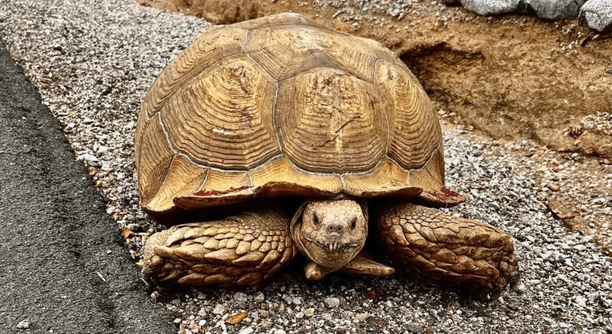
If you’ve ever observed your sulcata tortoise rubbing its shell against objects, you might be wondering why it behaves this way. This common behavior can be linked to various factors, ranging from comfort to health concerns.
Tortoises, including sulcatas, rub their shells against objects for reasons such as shedding, marking territory, or adjusting their posture. This behavior can also indicate discomfort, especially if there are issues with their shell or environment that need attention.
Understanding the underlying causes of this behavior can help ensure your sulcata’s well-being. It is important to monitor their environment and health to address any concerns that may arise.
Possible Causes for Shell Rubbing
Tortoises often rub their shells on objects to shed their old scutes or to reposition themselves in their environment. This is normal behavior, especially when they are in the process of growing. The rubbing helps them remove old, dead scutes, which are part of their natural shedding cycle. It’s important to note that this is not always a sign of distress. However, if the rubbing seems excessive or frequent, it may indicate that something is wrong with their shell or habitat.
If the shell rubbing is accompanied by other signs, such as a decrease in activity or changes in eating habits, it might be time to take a closer look at their health. Sometimes, a tortoise might rub its shell if it is trying to get comfortable or if there is irritation. Keep an eye on your sulcata’s behavior, as these can be subtle signs that need attention.
The shedding process is crucial for your sulcata tortoise’s growth. Ensuring a proper environment, such as providing adequate humidity and temperature, will help the shedding process go smoothly. Keep their living space clean and free from sharp objects that could cause harm.
Environmental Factors to Consider
Your sulcata tortoise’s habitat plays a key role in its behavior. The wrong temperature, humidity, or lighting conditions can cause stress and encourage excessive shell rubbing. A proper enclosure will help keep your tortoise comfortable and reduce unwanted behavior.
Maintaining an optimal environment is crucial. Sulcata tortoises thrive in warm temperatures and benefit from exposure to UVB light. If the lighting or temperature is off, it can lead to stress and discomfort. You might also notice them rubbing against objects to try to adjust themselves. By making sure their habitat stays consistent, you can minimize this behavior and ensure your tortoise remains happy and healthy.
Shell Health Issues
Rubbing can sometimes signal an underlying issue with your tortoise’s shell. Shell rot, for example, occurs when the shell becomes infected or damaged, often from poor care or environmental conditions. If you notice soft spots, discoloration, or an unusual odor, seek veterinary help immediately.
Regularly inspecting your sulcata’s shell is key to preventing health issues. A healthy shell should feel hard and smooth, with no visible cracks or abnormalities. If your tortoise is rubbing excessively, it might be trying to alleviate discomfort from an infected or damaged shell. Keep their living conditions clean and safe, as bacteria and fungi can thrive in wet, unkempt enclosures, causing harm to their shell.
If shell rot is diagnosed, treatment usually involves antibiotics and adjusting environmental factors. A vet will guide you on how to care for your tortoise during recovery. Prompt attention can prevent further complications and ensure your sulcata’s long-term health.
Behavioral Signs of Stress
Stress is another common reason for shell rubbing. When a tortoise feels anxious or threatened, it may rub its shell to relieve discomfort. This could be due to environmental changes, handling, or other animals in the area.
Sulcata tortoises are sensitive creatures that can become stressed easily, especially if their routine is disturbed. Moving to a new enclosure, being around loud noises, or feeling crowded can make them uneasy. If your tortoise is rubbing its shell along with other signs of stress, such as decreased appetite or hiding more often, it might be time to evaluate its living conditions. Offer a safe, quiet environment with plenty of hiding spots and a comfortable temperature. Reducing stress can help prevent unnecessary behaviors like shell rubbing.
Overcrowded Enclosures
An overcrowded enclosure can lead to stress and unwanted behaviors like shell rubbing. If your sulcata tortoise shares its space with other animals or has too much clutter, it may try to adjust by rubbing against objects.
Make sure your tortoise has enough space to move freely. Sulcatas are large tortoises and need plenty of room to roam. An enclosure that’s too small can cause anxiety and trigger behaviors like rubbing. Try to create a more spacious and calm environment for your tortoise, which can help reduce stress-related actions.
Proper Nutrition
A diet lacking essential nutrients can also contribute to shell rubbing. A sulcata tortoise needs a balanced diet rich in fiber, calcium, and other vitamins to maintain a healthy shell and overall well-being.
Ensure your tortoise has access to fresh grasses, hay, and greens. Providing proper nutrition strengthens their shell, making it less likely to become damaged or irritated. If a tortoise is not receiving the right nutrients, it might rub its shell more frequently in an attempt to relieve discomfort. Supplements like calcium may be necessary, especially for younger tortoises still growing.
FAQ
Why does my sulcata tortoise rub its shell on objects?
Shell rubbing is a natural behavior for tortoises, especially when they are shedding their scutes. It helps them remove old layers of their shell as they grow. However, it can also be a sign of discomfort, stress, or health issues if done excessively. Keep an eye on your tortoise’s behavior to ensure it’s not a symptom of something more serious.
Can stress cause my tortoise to rub its shell?
Yes, stress is a common cause of shell rubbing. When tortoises are stressed by factors like overcrowded enclosures, loud noises, or unfamiliar environments, they may rub their shell to relieve tension. To reduce stress, provide your tortoise with a calm, safe space where it can retreat and feel secure.
How can I tell if my tortoise has a shell infection?
If your sulcata tortoise has a shell infection, you may notice signs like soft spots, unusual discoloration, a foul smell, or swelling around the shell. If these symptoms appear, it’s important to take your tortoise to a vet for proper diagnosis and treatment. Regular shell inspections will help you catch any issues early.
What should I do if my sulcata tortoise keeps rubbing its shell?
If your tortoise is rubbing its shell, start by evaluating its environment. Check the temperature, humidity, and lighting conditions, as these factors can affect its comfort. Also, inspect the shell for any visible damage or signs of infection. If the behavior continues or worsens, consult with a veterinarian to rule out any health concerns.
Can improper diet cause my tortoise to rub its shell?
Yes, a poor diet can lead to shell rubbing. Tortoises need a balanced diet rich in fiber, calcium, and other essential nutrients to maintain a healthy shell. If your tortoise is lacking key nutrients, it might rub its shell more frequently. Ensure your sulcata tortoise has access to fresh grasses, hay, and greens to keep it healthy.
How can I prevent my tortoise from rubbing its shell excessively?
Prevent excessive shell rubbing by ensuring your tortoise has a comfortable and spacious environment. Provide proper lighting, temperature, and humidity, and make sure the enclosure is free of sharp objects that could cause injury. Regularly check your tortoise’s shell for signs of damage or infection, and feed it a balanced diet to keep it healthy.
Is shell rubbing a sign that my tortoise is in pain?
While shell rubbing can be a sign of discomfort, it’s not always an indication of pain. If your tortoise is rubbing its shell due to shedding or adjusting its posture, it is likely just part of its normal behavior. However, if the rubbing is accompanied by signs of illness, such as lethargy, poor appetite, or changes in behavior, pain may be a factor. In that case, a visit to the vet is recommended.
How can I improve my tortoise’s shell health?
To maintain a healthy shell, provide your tortoise with a proper diet, including plenty of fiber and calcium. Ensure that its enclosure has the right temperature and humidity to promote healthy shell growth. Regular shell inspections will help detect any issues early. Keeping the environment clean and safe will also prevent infections or injuries.
Is it normal for my tortoise to rub its shell on the wall of its enclosure?
Yes, rubbing against walls or objects can be normal behavior, especially if your tortoise is trying to reposition itself or shed its scutes. However, if your tortoise is rubbing excessively or appears stressed, you may need to adjust its environment or check for potential health issues.
What is the best substrate for preventing shell rubbing?
The best substrate for your sulcata tortoise is one that is easy to clean, safe, and provides a comfortable surface for movement. Avoid using sharp or abrasive materials that could cause injury. Good options include coconut coir, hay, or grass, which provide a natural feel and are gentle on your tortoise’s shell.
How can I tell if my tortoise is shedding its scutes?
When your tortoise is shedding its scutes, you may notice rough, flaky patches on the surface of its shell. These patches can appear lighter or darker in color as the scutes come off. It’s important not to pull at the scutes, as this can cause injury. Instead, provide proper humidity and a safe space for shedding to occur naturally.
Can my tortoise rub its shell on objects to mark territory?
Tortoises sometimes rub their shells on objects to mark their territory. This behavior is more common in the wild, where tortoises use scent glands to communicate and establish their space. While it’s less likely in captive tortoises, shell rubbing could still be a way for your tortoise to feel secure and establish a sense of ownership over its environment.
How often should I check my tortoise’s shell?
It’s a good idea to check your tortoise’s shell regularly to monitor its health. Inspect for signs of infection, cracking, or abnormalities, especially if your tortoise rubs its shell frequently. This will help you catch any problems early and ensure that your tortoise remains healthy. Checking every couple of weeks is usually sufficient.
Final Thoughts
Understanding why your sulcata tortoise rubs its shell can help you address the issue and ensure your tortoise is healthy and comfortable. While shell rubbing is a natural behavior, it’s important to differentiate between normal actions and those that could indicate stress, discomfort, or health problems. The key is observing your tortoise closely and paying attention to its behavior, environment, and diet. Small adjustments to these factors can often make a big difference in reducing excessive shell rubbing.
If the behavior continues or worsens, consulting a veterinarian is essential. They can help identify any potential underlying health issues and recommend a course of treatment. In most cases, shell rubbing is harmless, but it’s always best to take a proactive approach. Ensuring your sulcata tortoise has a spacious, clean, and safe environment will also contribute to its overall well-being. Proper care, regular check-ups, and attention to its needs will allow your tortoise to live a healthier and more comfortable life.
By creating a stress-free, enriching environment for your sulcata tortoise, you can minimize the chances of excessive shell rubbing. Regularly checking its diet, temperature, humidity, and living conditions is crucial to maintaining good health. With the right care, your tortoise can continue to thrive in its enclosure and enjoy its daily activities without the need for constant shell rubbing.

Hello,
If you enjoy the content that we create, please consider saying a "Thank You!" by leaving a tip.
Every little bit helps us continue crafting quality advice that supports the health, happiness, and well-being of pets around the world, for pets of all shapes, sizes, and species.
We really appreciate the kindness and support that you show us!