
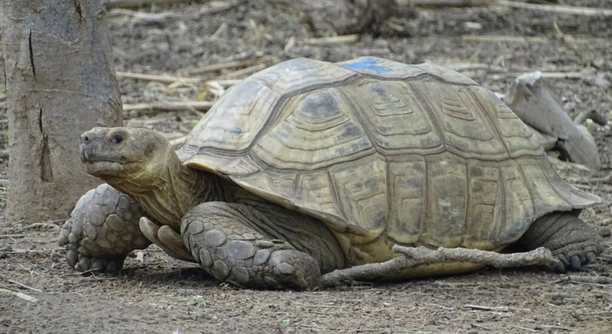
Have you noticed your sulcata tortoise repeatedly pushing against the glass of its enclosure? It’s a behavior that might seem odd but could signal something important about your tortoise’s environment or health. Understanding this can help ensure your pet’s well-being.
The main reason for this behavior is typically linked to frustration or curiosity. Your tortoise may be trying to find a way out or exploring its surroundings, possibly due to lack of stimulation, space, or the desire to find a mate.
This behavior can be managed with simple changes to your tortoise’s enclosure. We’ll take a closer look at some common causes and ways to reduce the stress it might cause.
The Environment May Not Be Ideal
Your sulcata tortoise needs plenty of space to roam and explore. If the enclosure is too small or lacks variety in its layout, your tortoise might feel confined, leading to repetitive behaviors like pushing against the glass. Sulcatas are naturally active creatures that enjoy wide open spaces, so it’s crucial to mimic this in their habitat. Overcrowding, too much glass, or barriers that prevent them from moving freely can make them feel trapped.
The glass surface often looks like an obstacle to your tortoise, which could be why it tries to push against it. It may not understand that it can’t move past it, especially if it’s searching for more space. To help, consider expanding its enclosure or introducing other forms of enrichment like rocks or branches to climb on.
To reduce this behavior, try providing more room to roam and different textures for stimulation. Sulcatas enjoy digging, basking in warmth, and foraging for food. These natural behaviors should be incorporated into their environment for a happier tortoise.
Is Your Tortoise Feeling Lonely?
Another reason your sulcata tortoise might be pushing against the glass is loneliness. These tortoises aren’t as social as some other animals, but they can still benefit from companionship or additional stimulation. If your tortoise spends long hours alone, it might be seeking attention.
Adding items like a mirror, safe toys, or even introducing another tortoise can help. However, it’s essential to ensure that the new companion is compatible, as sulcata tortoises can be territorial. Creating a more interactive space can reduce frustration and encourage more natural behaviors like exploring instead of pushing on the glass.
The addition of visual enrichment is another simple fix. A large mirror on the wall or a poster can provide some mental stimulation for your tortoise, especially if it sees its reflection or a nearby image of a natural environment.
Stress and Anxiety Can Play a Role
Stress and anxiety are other common reasons your sulcata tortoise may be pushing against the glass. Sudden changes in its environment, like moving to a new space or the introduction of loud noises, can make your tortoise feel unsettled. This may lead to the repeated glass-pushing behavior as a coping mechanism.
Stress could also stem from poor lighting, temperature imbalances, or overcrowded living conditions. Your tortoise relies on a consistent environment to feel safe, and anything that disrupts this stability can cause anxiety. It’s important to regularly check the enclosure’s temperature and humidity to ensure they’re within the optimal range for a sulcata tortoise’s comfort.
If the tortoise is under stress for extended periods, it can affect its overall health. Stress can weaken the immune system, making your tortoise more susceptible to illness. Reducing anxiety involves addressing the root cause, whether it’s too much handling, changes in its environment, or an unsuitable habitat.
Diet and Digestion Issues Can Cause Behavior
Dietary issues may also lead to this unusual behavior. If your sulcata tortoise is not getting the right nutrients, it may feel restless or uncomfortable, which could cause it to push against the glass. A diet lacking in fiber or an imbalance in calcium and phosphorus could result in digestive discomfort or metabolic problems.
A well-balanced diet is crucial for keeping your tortoise healthy and content. Sulcatas thrive on high-fiber foods such as grasses and weeds, and incorporating some leafy greens can promote better digestion. Avoid feeding too many high-water-content fruits or vegetables, as they can lead to loose stool, causing discomfort.
Additionally, inadequate calcium can lead to bone or shell issues, further affecting your tortoise’s behavior. Ensuring that your pet receives proper calcium supplementation and vitamin D can improve its overall well-being, which may reduce anxiety-driven actions like pushing on the glass. Proper diet maintenance is key to a healthy tortoise with less erratic behavior.
Physical Health Problems Can Affect Behavior
If your sulcata tortoise is constantly pushing against the glass, it might be dealing with health problems. Pain or discomfort from an injury or illness could cause it to act out. Regularly check for signs of shell damage, swelling, or lethargy, as these can indicate underlying issues.
An ill tortoise may also feel anxious or stressed because it’s not feeling well. Pain or discomfort from digestive issues or parasites can contribute to the restless behavior. If you notice any unusual symptoms, it’s best to consult a veterinarian to address the health issue before it gets worse.
Health-related changes in behavior are often subtle but noticeable over time. Keeping an eye out for any physical signs, such as changes in appetite or movement, will help catch problems early, ensuring your tortoise’s well-being.
Temperature Control Is Crucial
Temperature regulation is essential for the health of your sulcata tortoise. If the environment is too hot or too cold, it can lead to discomfort, making your tortoise more likely to push against the glass. A constant temperature between 80°F and 90°F is ideal, with a basking area around 100°F.
Ensure that both the cool side and the warm side of the enclosure are properly heated to give your tortoise a place to regulate its body temperature. A thermoregulated habitat will encourage your tortoise to be more active and content, reducing behaviors like glass-pushing in search of a better temperature.
FAQ
Why does my sulcata tortoise keep pushing against the glass?
Your tortoise might be pushing against the glass because it feels trapped or frustrated in its environment. This behavior can be caused by a lack of space, poor enclosure setup, or even stress. Tortoises are naturally curious creatures and may push against glass when they are trying to explore beyond their confined space. It could also be a sign of loneliness or the need for more stimulation, as they can get bored if there aren’t enough things to interact with in their enclosure.
Is it normal for my sulcata tortoise to be constantly trying to escape?
Yes, it is fairly common for a sulcata tortoise to appear like it is trying to escape. These tortoises are naturally inclined to roam and explore large areas in the wild, so in a confined environment, they may display behaviors like pushing or trying to climb out. This often happens when they are not being provided with enough space, or if they feel stressed or anxious due to environmental factors. Providing a larger enclosure or more stimulation can help reduce this behavior.
How can I stop my sulcata tortoise from pushing on the glass?
The best way to stop your sulcata tortoise from pushing on the glass is to address the root cause of the behavior. First, ensure that the enclosure is spacious and contains different areas for the tortoise to explore. Adding elements such as rocks, logs, or plants for your tortoise to climb and hide in will help mimic a more natural environment. Check the temperature and humidity levels regularly, as extreme conditions can also lead to stress. Offering visual enrichment, such as mirrors or moving objects, can also help distract and calm the tortoise.
Could my sulcata tortoise be bored?
Boredom is a very possible reason why your tortoise might be pushing against the glass. In the wild, sulcata tortoises are constantly foraging and exploring their surroundings. If they are confined to a small, featureless space, they can become restless and begin repetitive behaviors, including trying to push through the glass. Adding items like climbing structures, hiding places, or stimulating objects can help alleviate boredom and give your tortoise something to focus on instead of the glass.
Is my tortoise pushing against the glass because it’s stressed?
Yes, stress can be a major factor in why your sulcata tortoise is pushing against the glass. Stress in tortoises can arise from several sources, such as changes in their environment, handling, or improper habitat conditions. Too much noise, the presence of other animals, or changes in temperature can all contribute to stress. If you notice your tortoise acting unusually anxious, it’s important to check that its enclosure provides a consistent and calm environment.
Should I add a second tortoise to keep my sulcata company?
Adding a second tortoise is not always a simple solution. While tortoises are solitary by nature, some enjoy the company of another tortoise. However, sulcata tortoises can be territorial, especially males, and introducing a second tortoise could lead to fights. It’s important to carefully monitor their behavior and make sure both tortoises have enough space. If you decide to add another, be prepared for the possibility that they may not get along, and always have a backup plan for separating them if necessary.
How do I know if my sulcata tortoise is sick?
Sick sulcata tortoises often show subtle signs of illness. You might notice a loss of appetite, lethargy, or abnormal behavior such as increased glass-pushing. Check for signs of shell damage, swelling, or breathing issues like wheezing. Diarrhea or a change in the consistency of its stool can also indicate digestive problems. If your tortoise is acting unusually and you suspect it might be sick, it’s important to take it to a veterinarian who specializes in reptiles for a thorough check-up.
How can I ensure my tortoise’s habitat is comfortable?
Ensuring your tortoise’s habitat is comfortable is essential to its well-being. Make sure the enclosure is large enough to allow free movement, with separate warm and cool areas to regulate body temperature. Provide UVB lighting to support its natural behaviors, as well as heating to maintain the proper temperature gradient. The flooring should be easy for the tortoise to walk on, with materials like organic soil or grass. Enrichment items such as hiding places, rocks, and safe plants can encourage natural behaviors and prevent boredom.
What can I do if my tortoise keeps pushing against the glass and seems to be getting stressed?
If your tortoise seems stressed and keeps pushing against the glass, first examine the enclosure setup. Ensure it’s large enough, offers variety, and is free of any environmental stressors. Consider adjusting the lighting, temperature, and humidity levels. You can also try adding more objects for stimulation, such as rocks, logs, or plants. Sometimes, the stress could also be due to the proximity of the glass to your daily movements, so try to keep the area calm and quiet.
How often should I check my tortoise’s enclosure for problems?
It’s important to regularly check your sulcata tortoise’s enclosure to ensure that everything is in proper condition. Temperature and humidity should be checked daily to ensure they stay within the ideal range. Perform a full inspection of the enclosure every week to check for damage, cleanliness, and overall comfort. Look out for any signs of wear or mold, and clean the area regularly to keep it healthy. This will not only help with preventing stress but also provide a safe and comfortable environment for your tortoise.
Final Thoughts
Understanding why your sulcata tortoise is pushing against the glass can be helpful in creating a better environment for it. It’s not just a random behavior but often a sign that something in its living conditions may need attention. Whether it’s a lack of space, improper temperatures, or boredom, the key to solving this issue is making sure your tortoise has the right conditions to feel secure and comfortable. Sometimes, the solution is as simple as providing a larger enclosure or introducing objects for enrichment.
Taking time to observe your tortoise and understanding its natural behaviors will give you the insight needed to improve its well-being. Sulcata tortoises are naturally curious and active animals, and they thrive when their environment allows them to engage in behaviors like foraging, climbing, and basking. Addressing the causes of the glass-pushing behavior doesn’t just stop the issue; it ensures that your tortoise stays healthy and happy. Stress, anxiety, and boredom are common contributors to this behavior, and those can usually be mitigated with simple changes to their habitat.
While it can be concerning when a sulcata tortoise seems agitated, the good news is that most of these issues can be solved with attention and care. You don’t need to immediately worry about severe health problems if you notice your tortoise pushing against the glass. Instead, focus on its environment and daily care routine. Regular checks on temperature, space, and stimulation, along with a proper diet, will go a long way in preventing this kind of behavior. If you’re ever in doubt or notice concerning signs beyond glass-pushing, a trip to the vet is always a good idea to rule out health issues.

Hello,
If you enjoy the content that we create, please consider saying a "Thank You!" by leaving a tip.
Every little bit helps us continue crafting quality advice that supports the health, happiness, and well-being of pets around the world, for pets of all shapes, sizes, and species.
We really appreciate the kindness and support that you show us!