
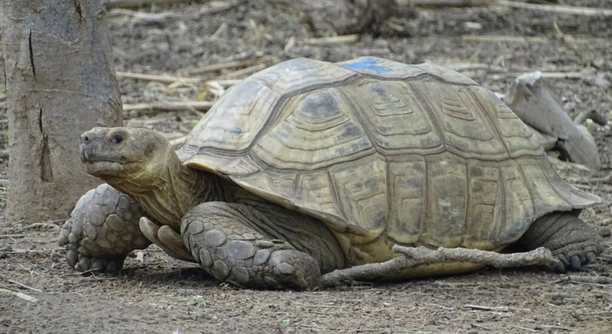
Sulcata tortoises are fascinating creatures, but sometimes their behaviors can leave us puzzled. One such behavior is when they open their mouths wide, which may raise questions for their owners.
A Sulcata tortoise may open its mouth widely as a sign of various things, including stress, respiratory issues, or attempting to regulate body temperature. It’s important to observe other signs and consult with a veterinarian if needed.
There are different reasons behind this behavior, and understanding it can help ensure your tortoise’s well-being. Knowing what to watch for and how to respond will guide you in supporting your tortoise’s health.
Reasons for Wide Mouth Opening in Sulcata Tortoises
Sulcata tortoises may open their mouths wide for a few reasons, which are essential to understand for their care. One of the most common causes is stress. If they are feeling threatened or uncomfortable in their environment, they may open their mouths as a sign of defense. Another possible reason is that they could be trying to regulate their body temperature. Tortoises sometimes open their mouths wide to help release heat, especially in hot conditions. If you notice your tortoise doing this often, it’s important to check if the habitat is too warm or too cold for comfort. Another reason could be a respiratory issue, which might cause them to gasp or open their mouth in an attempt to get more air. Observing the behavior closely is key to making sure they are healthy.
If you notice your Sulcata tortoise opening its mouth wide frequently, it’s essential to pay attention to any other signs. If there are no accompanying symptoms, it could be a behavioral quirk.
However, if your tortoise is also showing other signs, such as wheezing, lethargy, or mucus around the mouth, it’s best to get a veterinarian involved. Respiratory issues in tortoises can progress quickly, and early detection is important. A simple health check-up can ensure that everything is on track. Additionally, check the environment for any potential stressors, like other pets or overly crowded enclosures, which might be making your tortoise feel uneasy.
How to Help Your Sulcata Tortoise
If your Sulcata tortoise seems to be opening its mouth because of stress or respiratory problems, there are steps you can take to help. Make sure their enclosure is spacious, clean, and comfortable.
Creating a calm, safe environment for your tortoise is essential for their well-being. Make sure the temperature is regulated to avoid overheating or cold stress, which can lead to respiratory distress. If the tortoise has access to direct sunlight, they should have a shaded area to retreat to when it gets too hot. You can also place a shallow water dish in their habitat, as it can help with cooling them down and maintaining humidity levels. Regularly monitor their behavior, and take them to a vet if you’re concerned about any signs of illness.
Stress and Its Impact on Sulcata Tortoises
Stress is a major reason why a Sulcata tortoise might open its mouth wide. If there are sudden changes to their environment or they feel threatened, they may respond by opening their mouth. This could also happen if they feel cornered or don’t have enough space to roam freely.
A common stressor for Sulcata tortoises is being housed in a small enclosure. These tortoises need plenty of space to roam and explore. If the habitat is too cramped or lacking natural features like rocks or hiding spots, it can cause anxiety. You should also consider other pets that may be stressing them out, as some tortoises can become agitated around loud or fast-moving animals. Moving them to a larger, calmer area can make a big difference in their overall behavior.
Sometimes, the cause of stress could be something as simple as loud noises or an overly active household. These things can unsettle a tortoise, making them feel unsafe. If you notice your tortoise opening its mouth in these situations, adjusting their environment may help ease their stress and prevent further issues.
Overheating and Temperature Regulation
Overheating can be a serious concern for tortoises, especially those kept in warm climates. If your Sulcata tortoise is opening its mouth widely, it could be a sign that they are trying to regulate their body temperature. Tortoises often open their mouths to release excess heat, particularly if the temperature in their enclosure is too high.
Sulcata tortoises are native to hot, dry climates, but they still need to have access to cooler areas to help them balance their body temperature. It’s important to provide a heat gradient in their habitat so they can choose between warmer and cooler areas. If the entire enclosure is too hot, they may struggle to find a comfortable spot. Make sure they have shaded areas and fresh water available at all times. This helps them stay hydrated and avoid becoming overheated.
Overheating can lead to serious health problems if not addressed. If you notice your tortoise constantly trying to open its mouth in a bid to cool down, it may be a sign that the temperature is not regulated properly. You should check the thermometer in their habitat and adjust the heating elements accordingly. If you suspect overheating, take immediate action to cool down the environment and keep an eye on their behavior.
Respiratory Issues in Sulcata Tortoises
Respiratory problems are another potential cause of your tortoise opening its mouth widely. These issues can arise from various factors, such as poor air quality or infections. If left untreated, respiratory issues can quickly worsen, affecting your tortoise’s overall health.
A tortoise with respiratory problems may show signs such as wheezing, nasal discharge, or labored breathing. If you notice any of these symptoms along with the mouth opening, it’s important to seek veterinary care immediately. Respiratory infections can be dangerous and require medication to clear up. Keep the tortoise’s enclosure well-ventilated and free from dust to minimize these risks.
Checking the Habitat
It’s essential to maintain the right humidity and ventilation in your tortoise’s habitat. A dry or poorly ventilated enclosure can contribute to respiratory issues. Ensure proper airflow and avoid keeping your tortoise in a damp or overly moist environment.
A humidity level between 40% and 60% is ideal for Sulcata tortoises, as too much moisture can cause health problems like shell rot and respiratory infections. Also, make sure your tortoise has access to fresh, clean water at all times. Adjusting these factors can prevent respiratory issues and keep your tortoise comfortable.
FAQ
Why does my Sulcata tortoise open its mouth wide?
A Sulcata tortoise may open its mouth wide due to stress, respiratory problems, or to regulate its body temperature. Stress can be caused by an overcrowded habitat, sudden changes, or the presence of other animals. Overheating is another reason, as tortoises open their mouths to release heat. Respiratory issues, such as infections, can also cause this behavior. Pay attention to any additional signs like nasal discharge or wheezing, which could indicate a health problem.
How can I tell if my tortoise is stressed?
Signs of stress in a Sulcata tortoise include opening the mouth widely, pacing back and forth, hiding more than usual, or becoming less active. Stress can stem from changes in environment, too much handling, or interactions with other pets. A stressed tortoise might also stop eating or drinking. You should assess the surroundings to ensure they are calm, spacious, and safe.
What should I do if my tortoise is opening its mouth and seems sick?
If your tortoise is showing signs of illness like mouth-opening, wheezing, or nasal discharge, it’s important to get a vet involved. A veterinarian can perform tests to determine if it’s a respiratory infection or another issue. In the meantime, make sure your tortoise is in a comfortable, clean, and well-ventilated habitat with proper temperature regulation. Avoid stressing them further by limiting handling.
How do I fix overheating in my Sulcata tortoise’s habitat?
If your tortoise is opening its mouth due to overheating, start by checking the temperature in its habitat. Sulcata tortoises need a temperature range of 85-95°F (29-35°C) in the warm area and a cooler zone around 75-85°F (24-29°C). Ensure your tortoise has access to shade and fresh water at all times. If it’s too hot, adjust the lighting or move the heat source away from the habitat. Also, provide proper ventilation so the heat doesn’t build up.
What are the signs of respiratory problems in Sulcata tortoises?
Respiratory issues in tortoises are often marked by wheezing, nasal discharge, or an open mouth. In severe cases, they might display labored breathing or become lethargic. A tortoise may also stop eating or drinking. If your tortoise is showing any of these signs along with mouth-opening, it’s essential to seek veterinary care immediately. Respiratory infections can worsen quickly without proper treatment.
Can I treat my Sulcata tortoise’s respiratory infection at home?
It is not recommended to treat respiratory infections at home without a vet’s guidance. These infections can be serious and may require antibiotics or other medications. A vet can properly diagnose the condition and provide the necessary treatment. While waiting for a vet visit, ensure your tortoise’s habitat is clean, dry, and well-ventilated to prevent further stress.
Is there any way to prevent my tortoise from getting respiratory infections?
Preventing respiratory infections in Sulcata tortoises involves maintaining proper habitat conditions. Ensure their enclosure has good ventilation and is kept at the right humidity and temperature. A dry, clean environment is key, as too much moisture can promote bacterial growth. Regularly clean their habitat and provide fresh water to reduce the risk of infection.
What temperature should my Sulcata tortoise’s habitat be?
For a Sulcata tortoise, the warm side of the enclosure should be between 85-95°F (29-35°C), with a cooler area around 75-85°F (24-29°C). You can use heat lamps or heat pads to maintain the right temperature, but it’s important to offer areas where your tortoise can escape the heat if necessary. Having a temperature gradient allows your tortoise to choose its preferred environment.
How can I tell if my tortoise is dehydrated?
Signs of dehydration in a Sulcata tortoise include dry, cracked skin, sunken eyes, and lethargy. A dehydrated tortoise may also eat less or stop eating altogether. Make sure fresh water is available in the habitat at all times, and provide a shallow dish for soaking. If dehydration is suspected, it’s important to hydrate the tortoise immediately and consult a vet if the condition persists.
What is the ideal humidity level for a Sulcata tortoise?
Sulcata tortoises do best in environments with a humidity level between 40-60%. Too much humidity can cause shell rot or respiratory infections, while too little can lead to dehydration. Use a hygrometer to monitor the humidity in your tortoise’s enclosure, and adjust as needed. A balanced environment will keep your tortoise healthy and comfortable.
How can I make my Sulcata tortoise feel more comfortable?
To make your Sulcata tortoise feel more comfortable, ensure its habitat is spacious, clean, and safe. Provide hiding spots or rocks for climbing, as these mimic natural environments. Offer a varied diet of grass, hay, and safe vegetables, and ensure they have access to fresh water. Avoid loud noises and sudden changes that could cause stress.
Should I take my tortoise outside often?
Yes, Sulcata tortoises enjoy outdoor time. If the weather is warm and safe, you can let your tortoise explore in an enclosed outdoor area. The natural sunlight provides essential Vitamin D3, which helps with shell growth and overall health. Just ensure the outdoor area is secure, free of predators, and offers both sun and shade.
Final Thoughts
Understanding why your Sulcata tortoise opens its mouth wide is important for ensuring its health and comfort. Whether it’s due to stress, overheating, or a respiratory issue, noticing this behavior early can help you take the right steps to address the underlying cause. A stressed tortoise may just need a more peaceful environment or a larger, more comfortable habitat. On the other hand, if the mouth-opening is related to overheating, adjusting the temperature and providing access to shaded areas and fresh water can help them regulate their body temperature better.
If you suspect that your tortoise has a respiratory infection or another health problem, it’s crucial to act quickly. Symptoms like wheezing, nasal discharge, or lethargy, along with mouth-opening, may indicate a more serious condition. Seeking veterinary care as soon as possible ensures that your tortoise receives the necessary treatment and reduces the risk of complications. In many cases, proper care and timely intervention can prevent health problems from worsening, allowing your tortoise to recover and return to normal behavior.
Overall, paying attention to your Sulcata tortoise’s environment and health is key to maintaining its well-being. Regularly monitoring temperature, humidity, and the size of the habitat can help avoid many common issues. A balanced, comfortable environment will encourage your tortoise to behave naturally and feel at ease. If you’re ever unsure about any behavior or signs, it’s always a good idea to consult a veterinarian for expert advice.

Hello,
If you enjoy the content that we create, please consider saying a "Thank You!" by leaving a tip.
Every little bit helps us continue crafting quality advice that supports the health, happiness, and well-being of pets around the world, for pets of all shapes, sizes, and species.
We really appreciate the kindness and support that you show us!