
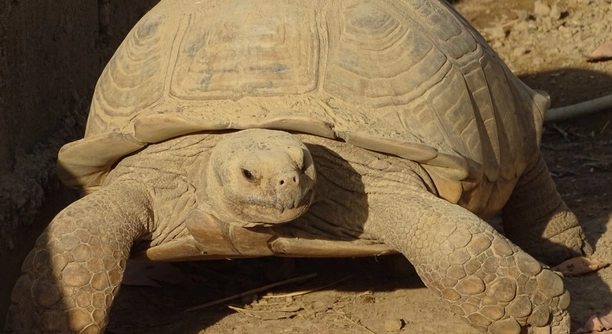
Sulcata tortoises are fascinating creatures, known for their large size and curious behavior. One such behavior that many owners notice is their tendency to dig in the same spot repeatedly. This behavior can raise questions about its purpose.
Sulcata tortoises often dig in the same spot due to instinctual behaviors linked to temperature regulation, nesting, or creating a safe space. The repeated digging is typically not a sign of stress but rather a natural part of their routines.
Understanding why your tortoise digs can help you manage their environment more effectively. By addressing their needs, you can ensure they are comfortable and happy in their home.
Why Do Sulcata Tortoises Dig?
Sulcata tortoises have a natural instinct to dig, and it’s something they do regularly. Digging is essential for them as it helps with regulating body temperature, finding moisture, and creating a comfortable space. In their natural environment, digging is part of their survival tactics, whether it’s for protection or finding a cool spot during the heat. When they’re kept as pets, they may still maintain these habits, even though their needs might be different. Owners often see them digging in the same spot over and over again, which can seem odd at first. However, this repetitive behavior is just part of their nature.
While digging, they might be looking for cooler ground or simply following a routine. In some cases, tortoises will dig to create a space where they feel safe and secure. This can be particularly true in areas where they feel threatened or stressed. It’s important to allow them a proper environment where they can engage in these behaviors without discomfort.
In some cases, Sulcata tortoises might dig for nesting reasons, even if they aren’t breeding. Female tortoises, especially, will dig to lay eggs, even in the absence of a mate. Creating a designated digging area can help meet their needs while preventing frustration. In captivity, they will likely still act on these instincts, but you can manage it by ensuring that the area is suitable for them. If digging is becoming excessive, the habitat may need to be adjusted.
How to Help Your Tortoise with Digging
If your Sulcata tortoise is digging in the same spot repeatedly, consider adjusting their habitat. Digging is often a sign of boredom or unmet needs.
You can address this by creating a variety of safe, diggable spaces for them. Ensure that their living area has ample space and enough bedding, like soil or sand, where they can dig without obstacles.
Temperature and Digging Behavior
Sulcata tortoises dig as a way to regulate their body temperature. If they are too hot, they may dig into cooler ground to escape the heat. On the other hand, they may dig to find warmth during cooler weather. Ensuring your tortoise has access to a temperature gradient in their enclosure will help them feel comfortable.
A warm area for basking and a cooler area for retreating are essential. This allows the tortoise to choose the temperature that suits them. If their environment doesn’t offer these options, they might dig more often to find the right temperature. Using heat lamps or a proper substrate can assist in creating this balance.
Keeping the enclosure temperature stable is vital for the tortoise’s health. When a Sulcata tortoise is unable to regulate its temperature naturally, it may become stressed or even ill. Always monitor the temperature closely and adjust the lighting or heating as needed to ensure they stay within the ideal range. This can help reduce unnecessary digging.
Providing Safe Spaces to Dig
Sulcata tortoises need secure areas where they can dig without worry. A dedicated digging area within their enclosure can allow them to engage in this behavior freely. Make sure the area is deep enough for them to dig comfortably and naturally.
The digging area should have a mix of soil, sand, or another soft material that is easy for them to burrow into. Providing a variety of textures can encourage more digging, and help satisfy their instinctual needs. You may also want to bury some food or treats in the soil to make the digging even more appealing.
To make sure the digging area remains safe, check for hazards that could harm your tortoise. Make sure there are no sharp objects or toxic materials in the substrate. Regularly inspect the area and remove any waste to maintain cleanliness and hygiene. A well-maintained digging area will help reduce frustration for your tortoise.
Stress and Digging Behavior
Stress can lead to excessive digging in Sulcata tortoises. If they feel threatened or are in an unfamiliar environment, digging is a way for them to cope. This can happen if their habitat isn’t providing enough security or comfort. Changes in their surroundings may cause this.
Keeping their space consistent is key to reducing stress. Avoid sudden changes in their environment, and make sure they have places to hide or retreat to. Providing enough space to move around helps them feel more secure. If they are consistently stressed, it may lead to repetitive digging as a coping mechanism.
Health Issues and Digging
Health problems can cause your tortoise to dig more than usual. Parasites, respiratory infections, or other illnesses might make them feel the need to burrow for comfort. If your tortoise is digging more than usual, it might be a sign of discomfort.
Make sure to regularly check on their health, and consult a vet if needed. Healthy tortoises are less likely to engage in excessive digging. When they feel unwell, they may resort to this behavior as a way of dealing with their symptoms. If the digging is persistent, a vet visit is recommended.
FAQ
Why does my Sulcata tortoise dig in the same spot every day?
Digging in the same spot is a normal behavior for Sulcata tortoises. They often do this to create a comfortable or cool space. It’s their natural instinct to dig when they want to regulate temperature, find moisture, or feel secure. If they are digging in the same place daily, it’s likely because the spot meets their needs for comfort, temperature, or safety. However, you can provide a deeper substrate or multiple areas to dig, which may help reduce the repetitive behavior.
How can I stop my tortoise from digging in the same spot?
To prevent your Sulcata tortoise from digging in the same spot, ensure they have a variety of areas to dig in their enclosure. Providing multiple places with different substrates like soil, sand, or even leaves can encourage them to explore new spots. It’s also helpful to maintain a proper temperature gradient and secure spaces where they feel safe. Sometimes, offering them an area with buried food or hiding spots can distract them from focusing on the same location.
Is it normal for Sulcata tortoises to dig all the time?
Sulcata tortoises are naturally inclined to dig, but excessive digging might be a sign of an issue. If your tortoise digs constantly, it could be because their environment isn’t providing enough space or comfort. Make sure they have access to adequate space, temperature control, and opportunities to engage with their environment. If the digging is persistent and disruptive, you should observe other signs, such as behavior changes or health concerns, and consult a vet if necessary.
Should I be worried if my tortoise is digging a lot?
Moderate digging is normal for Sulcata tortoises. However, if the digging seems excessive or is accompanied by other signs like lethargy, loss of appetite, or abnormal behavior, it may be time to assess their environment or health. Excessive digging could be due to stress, health problems, or an inadequate habitat. If there are no obvious environmental factors contributing to the behavior, a vet check-up is a good idea.
How deep should the substrate be for my Sulcata tortoise to dig?
The substrate in your tortoise’s enclosure should be deep enough to allow them to dig comfortably, usually about 6-8 inches deep. This depth gives them space to burrow and regulate temperature. The material should also be loose and easy for them to dig into, such as a mix of soil, sand, and organic matter. Always monitor the substrate’s cleanliness and make adjustments to ensure it stays healthy and safe for your tortoise.
Does digging indicate that my tortoise is trying to escape?
While digging is often a natural behavior, it can sometimes indicate that your Sulcata tortoise is trying to escape. This is especially true if they are digging near the edges of their enclosure. If you notice your tortoise trying to dig out, check the security of their habitat. Ensure that the walls are high enough, or add a barrier to prevent escapes. Make sure they have enough space to move around and don’t feel trapped in their enclosure.
Can I prevent my tortoise from digging altogether?
It’s difficult to completely stop a Sulcata tortoise from digging because it’s an instinctual behavior. Instead of trying to eliminate it, focus on creating an environment where digging is healthy and enjoyable. Offer a variety of places for them to dig, ensure their habitat is comfortable, and check for signs of stress. Digging will likely remain a part of their behavior, but you can manage it to ensure it doesn’t become problematic.
How can I help my tortoise if it is digging excessively?
If your Sulcata tortoise is digging excessively, there are a few things you can do. First, check the temperature in their enclosure. Make sure they have both warm and cool areas to regulate their body temperature. Second, ensure the substrate is suitable for digging and deep enough. Lastly, make sure they have enough enrichment in their environment to reduce boredom. If none of these adjustments help, it may be a sign of a health issue or stress, and a visit to the vet would be a good idea.
Is digging a sign of nesting behavior?
Female Sulcata tortoises will dig when they are preparing to lay eggs. Even if they aren’t breeding, they may exhibit nesting behavior and dig to lay eggs. This is a natural and normal behavior. If your tortoise is an adult female and you notice digging behavior during certain seasons, it may be related to egg-laying. Providing a designated nesting area with soft substrate will help her feel secure and comfortable. You may also notice her digging and then not laying eggs, which is common in the absence of a mate.
How can I tell if my tortoise is digging due to stress?
Stress-induced digging in Sulcata tortoises usually happens if their environment feels unsafe or unstable. If your tortoise is digging excessively in one spot and showing other signs of stress, such as hiding more often or eating less, the cause might be stress. Check for environmental factors like loud noises, temperature changes, or the presence of other pets that could cause anxiety. A change in behavior, like digging combined with signs of discomfort, might mean they need more security and peace in their habitat.
Final Thoughts
Sulcata tortoises are natural diggers, and their behavior is deeply tied to their instincts. Digging serves multiple purposes, from regulating their body temperature to seeking moisture and creating a secure space. While digging can sometimes seem excessive, it’s usually a normal part of their routine. However, when the digging becomes a persistent problem, it’s important to consider a few key factors. Are they stressed, is their environment suitable, or are they trying to meet a specific need that isn’t being fulfilled? Understanding these reasons will help you address the root cause and create a healthier space for your tortoise.
Providing your tortoise with a safe and comfortable environment is essential. Ensure that their enclosure offers a variety of spaces to dig and a proper temperature gradient. This helps meet their need for temperature regulation, which may reduce repetitive digging. Keep in mind that Sulcata tortoises often dig to escape the heat or cold, so a balance between warm and cooler areas is critical. Offering different types of substrates for digging can also keep them engaged and satisfied, minimizing the chance of them focusing on one spot.
If digging becomes too excessive, it’s also important to check for signs of stress or health issues. Stress can be caused by changes in the environment, inadequate space, or even other pets. If you notice other behaviors such as loss of appetite, lethargy, or aggression, it may be time to re-evaluate their habitat or consult a veterinarian. By making sure their living space is comfortable, you can help reduce unnecessary digging and ensure that your Sulcata tortoise is both happy and healthy.

Hello,
If you enjoy the content that we create, please consider saying a "Thank You!" by leaving a tip.
Every little bit helps us continue crafting quality advice that supports the health, happiness, and well-being of pets around the world, for pets of all shapes, sizes, and species.
We really appreciate the kindness and support that you show us!