
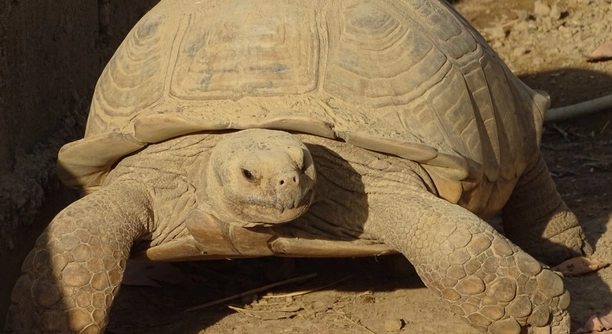
Sulcata tortoises, known for their size and unique behaviors, can sometimes display odd actions, such as burying themselves. This may leave owners wondering why they engage in this particular behavior. Understanding their needs can help.
Sulcata tortoises bury themselves primarily for comfort, protection, and temperature regulation. This behavior is often linked to their natural instincts to seek shelter or create a safe, cool environment, particularly in response to environmental stressors.
Understanding the reasons behind this behavior can help ensure your tortoise stays healthy and comfortable.
The Natural Instinct to Bury
Sulcata tortoises, like many other species, have instincts deeply rooted in survival. In the wild, they are often exposed to predators and extreme temperatures, which can make them feel vulnerable. Burying themselves in the soil offers protection and a stable environment. The behavior helps them maintain a suitable body temperature by hiding from the heat of the sun or cooling off in the dirt. As desert dwellers, they thrive in warm environments but seek refuge from the harsh conditions when needed. In captivity, the instinct to bury is still present and important for their well-being.
They might bury themselves to create a cool, shaded area or even to feel more secure. Providing a proper habitat that mimics their natural surroundings can help reduce this behavior in some cases.
By offering an area that allows them to burrow and regulate their temperature, you can give your sulcata tortoise a more comfortable space to live in. This mimics their natural habitat, making them feel more at ease.
Stress and Anxiety Triggers
Environmental stressors can also cause your tortoise to bury itself. When moved to a new space or during changes in their routine, they may feel uncertain and retreat to what feels like a safer place. Stress can also result from noise, changes in lighting, or interactions with other pets. Since sulcata tortoises are solitary animals by nature, disruptions in their environment or routine can trigger this behavior as a form of escape.
If your tortoise seems more inclined to bury itself than usual, consider reviewing the conditions around its habitat. Ensuring it has a quiet, secure space away from loud sounds or new disruptions may reduce unnecessary stress.
Anxiety-driven behaviors can be minimized with a consistent and calm environment. If you notice that your sulcata tortoise seems to bury itself more often, checking for signs of stress or discomfort is a good first step. Providing them with a stable, low-stress environment is key to their well-being.
Temperature Regulation
Sulcata tortoises bury themselves to escape extreme temperatures. They are used to the fluctuating heat of the African desert, so they have evolved to regulate their body temperature by seeking cooler places when necessary. In captivity, improper heating can lead to behaviors like excessive burrowing.
Providing a consistent temperature gradient is essential for their comfort. A warm basking area and cooler areas for resting should be available. Without a proper temperature range, they may seek to bury themselves in their substrate or other hiding spots to escape the heat or cold. Their bodies need to stay within a specific range to function optimally.
If your sulcata tortoise is constantly burrowing, you may want to check its environment. Ensure it has access to a warm basking spot and cooler areas to rest in. This will help them feel secure and manage their body temperature effectively.
Natural Behavior
Burying is also part of the tortoise’s natural behavior. In the wild, they dig to create a safe environment to sleep, hide, or lay eggs. This instinct remains even in captivity. It’s a part of their daily routine and helps them feel more secure.
If your sulcata tortoise is consistently burrowing, it may simply be performing an action that comes naturally to them. By providing a suitable substrate, like loose dirt or sand, you can support their instinct to dig and bury. This action isn’t necessarily a sign of distress but rather an expression of natural behavior.
As long as your tortoise has a space that mimics its natural habitat, there’s no need to worry about this behavior. Encouraging natural digging can keep your pet comfortable and content.
Substrate Choice
The type of substrate you use can affect how often your tortoise buries itself. Soft, loose materials like coconut coir or soil make it easier for them to dig and hide. If your substrate is too hard, they may not feel as comfortable.
When choosing a substrate, consider how easily your tortoise can interact with it. A loose, natural material allows for burrowing and mimics what they would encounter in the wild. Avoid using sand or gravel, which may not provide enough insulation or comfort for your pet to feel safe.
A suitable substrate can encourage natural behaviors and keep your tortoise happy and healthy. Choose materials that allow them to dig easily while providing stability and moisture control.
Health Concerns
If your sulcata tortoise starts burying itself excessively, it might signal an underlying health problem. In some cases, it can be a response to feeling unwell, particularly if the behavior is sudden or increased. Make sure your tortoise has regular check-ups.
If you notice a change in your tortoise’s activity level, eating habits, or temperament, it’s important to consider whether illness is the cause. Increased burrowing may be linked to discomfort, so looking for signs of injury, illness, or parasites is crucial. Your tortoise may also bury itself as a form of self-care if it is feeling unwell.
Regular monitoring and prompt attention to any changes in your pet’s behavior can ensure that it stays healthy. If the burrowing becomes excessive or is accompanied by other troubling symptoms, a vet visit may be necessary.
Environmental Enrichment
Adding enriching elements to your tortoise’s environment can help reduce unnecessary burrowing. Including hiding spots, rocks, or other features can provide mental stimulation and comfort. These elements mimic their natural surroundings and help satisfy their instincts.
Enrichment encourages healthy behaviors by giving your sulcata tortoise choices in how they interact with their environment. If they have access to different hiding places or activities, they may not feel the need to bury themselves as often. By creating a varied environment, you provide more options for your tortoise to explore, feel secure, and thrive.
FAQ
Why is my sulcata tortoise burying itself all the time?
Your sulcata tortoise might bury itself for several reasons. It’s a natural behavior that can serve as protection from temperature fluctuations, stress, or environmental discomfort. If your tortoise feels threatened or uncomfortable, it may dig to create a safe space to regulate its body temperature or find a cool, shaded spot. It could also be responding to changes in its environment, such as noise, unfamiliar people, or other pets.
Should I be worried if my tortoise buries itself regularly?
In most cases, regular burying is not something to worry about. It’s part of your tortoise’s natural behavior. However, if you notice a sudden increase in burrowing or signs of lethargy, loss of appetite, or unusual behavior, it’s worth considering health issues. Keep an eye on your tortoise’s overall condition and seek veterinary advice if you notice any other concerning symptoms.
How can I stop my tortoise from burying itself so much?
If the burrowing is excessive, it might be related to environmental factors. Ensure your tortoise has a proper habitat with appropriate temperature gradients and humidity levels. Providing a space where it can dig and hide naturally might reduce this behavior. You can also offer enrichment, such as rocks, hides, or water features, to keep your tortoise engaged.
Is burying a sign of illness in my sulcata tortoise?
Burying itself can sometimes indicate illness, especially if it’s done more frequently or if your tortoise seems lethargic, doesn’t eat, or exhibits other signs of discomfort. It could be a way for the tortoise to escape physical distress. If you notice any unusual behavior, such as lethargy, changes in appetite, or skin issues, it’s best to consult with a veterinarian to rule out health problems.
Can my sulcata tortoise bury itself too much?
While burrowing is normal, excessive burrowing might be a sign of environmental stress or discomfort. It’s important to provide your tortoise with a comfortable, stable environment where it can regulate its temperature and feel secure. If burrowing becomes excessive, try adjusting its living conditions, such as improving the substrate, temperature, or lighting.
What is the best substrate for my sulcata tortoise to bury itself in?
A good substrate for a sulcata tortoise should be soft and loose, such as coconut coir, organic soil, or a mixture of both. Avoid using sand or gravel, which can be too dry and not supportive for burrowing. The substrate should allow for digging and help regulate humidity levels to maintain a comfortable environment.
Do sulcata tortoises bury themselves to sleep?
Yes, sulcata tortoises sometimes bury themselves to sleep. This behavior is natural, as it provides them with a secure and stable environment, away from predators in the wild. In captivity, they may still seek to burrow, especially when they want to rest, sleep, or feel more secure.
Can my sulcata tortoise get too cold while burying itself?
It’s possible for your tortoise to get too cold if the area it’s burying itself in lacks the proper temperature. Make sure your tortoise has access to both a warm basking area and cooler areas for comfort. The cooler areas should not drop below their minimum temperature range, typically between 70°F and 75°F (21°C to 24°C), to prevent health issues.
How can I tell if my tortoise is burying itself because of stress?
Stress-induced burrowing is often linked to sudden changes in the tortoise’s environment. If your tortoise is burying itself more frequently after a move, interaction with other pets, or significant changes in its habitat, stress could be the cause. Look for other signs of stress, such as excessive pacing, hiding, or a lack of appetite.
How deep should I allow my sulcata tortoise to bury itself?
Sulcata tortoises generally prefer to dig deep when they bury themselves. It’s normal for them to dig several inches deep, and it mimics what they would do in the wild to create a cooler, more secure space. Ensure that your tortoise’s habitat has enough space for them to dig comfortably, and monitor the depth of the burrow to make sure it doesn’t pose a risk of collapse.
Can sulcata tortoises bury themselves in their enclosure?
Yes, sulcata tortoises will often bury themselves in their enclosures if they have suitable substrate and space. Providing a deep, soft substrate allows them to dig and bury themselves naturally. If your enclosure doesn’t have enough room for digging or the substrate is too firm, consider adding more depth or changing the materials to allow for burrowing.
How do I know if my tortoise is burying itself because it’s too hot or too cold?
If your sulcata tortoise buries itself in response to temperature, it might be seeking to escape heat or cold. When they get too hot, they bury themselves to cool off; when they’re too cold, they dig to find warmth. Ensure the temperature gradient in their enclosure is appropriate, with a warm basking area and cooler resting zones. If your tortoise seems to be burying itself more often in hot weather, check to make sure it has a cool place to retreat.
Final Thoughts
Sulcata tortoises are fascinating creatures, and their behavior of burying themselves is part of their natural instincts. While it can seem unusual to us, it’s an important way for them to regulate their body temperature, find comfort, and even feel secure. Burying is often linked to their need for a safe environment, whether they are trying to escape extreme temperatures or stress. Understanding this behavior is key to providing the best care for your tortoise, ensuring that they feel at ease in their home.
However, it is important to keep an eye on your tortoise’s overall well-being. If they bury themselves excessively or if you notice any changes in their eating habits, activity level, or behavior, it could indicate that something isn’t quite right. Stress, illness, and even an improper environment can lead to this behavior. It is essential to make sure their habitat is conducive to their needs, with the right temperature, humidity, and enough space for them to move around comfortably. Providing a suitable substrate, proper lighting, and access to food and water can go a long way in maintaining their health.
Ultimately, sulcata tortoises thrive when they are in a stable, enriching environment that mimics their natural habitat as closely as possible. The more you learn about their needs and behaviors, the better you can care for them. If you ever feel uncertain, don’t hesitate to reach out to a veterinarian who specializes in reptiles. They can help you address any concerns and make sure your tortoise is living its healthiest life. By understanding and meeting the needs of your sulcata tortoise, you can ensure a happy, well-adjusted companion for many years.

Hello,
If you enjoy the content that we create, please consider saying a "Thank You!" by leaving a tip.
Every little bit helps us continue crafting quality advice that supports the health, happiness, and well-being of pets around the world, for pets of all shapes, sizes, and species.
We really appreciate the kindness and support that you show us!