
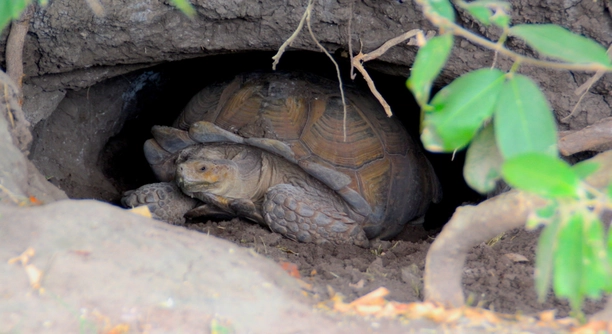
Excessive blinking in Sulcata tortoises can be concerning for owners, but understanding the reasons behind this behavior can help you address it properly. It’s important to explore why this might be happening and what you can do about it.
Excessive blinking in Sulcata tortoises may be caused by a variety of factors, including environmental stress, eye irritation, or underlying health issues. Ensuring proper habitat conditions, like humidity and lighting, can often help alleviate the issue.
Understanding the reasons behind your tortoise’s blinking behavior is key. This article will walk you through potential causes and solutions to help you care for your pet.
Common Causes of Excessive Blinking in Sulcata Tortoises
Excessive blinking can often be linked to environmental factors that affect your Sulcata tortoise. One of the main reasons for this behavior is improper humidity levels. If the air in your tortoise’s enclosure is too dry, it can lead to eye irritation, causing the tortoise to blink more often. Similarly, inadequate lighting, especially UVB lighting, can strain their eyes and result in excessive blinking. Another possibility is the presence of dust or dirt in the enclosure, which can irritate their eyes and make them blink frequently. Finally, stress from sudden changes in temperature or habitat can also cause blinking as a sign of discomfort.
These factors can easily be fixed by adjusting their environment. If you’re unsure about the humidity levels or the quality of the lighting, it’s a good idea to check them regularly. If the air is too dry, adding a humidity source can help.
Ensuring your Sulcata tortoise’s enclosure has the proper temperature, humidity, and lighting will reduce eye strain and blinking. Regularly cleaning the area also prevents eye irritants from causing discomfort.
Health-Related Issues
If environmental factors aren’t the issue, your tortoise might be dealing with a health problem. Eye infections, such as conjunctivitis, can cause excessive blinking, as the tortoise attempts to soothe irritated eyes. Infections might be accompanied by other signs like swelling or discharge, so it’s important to keep an eye out for any changes. Other health problems, like respiratory infections, can also affect your tortoise’s blinking behavior. In such cases, it’s crucial to seek professional veterinary advice.
If you notice abnormal behavior in your tortoise, such as excessive blinking combined with discharge or swelling, it’s time to take them to the vet. The vet will examine your pet and might suggest medications or other treatments to address the problem. It’s always better to catch these issues early to prevent further complications.
Getting your Sulcata tortoise checked by a vet ensures proper care for their eyes and overall well-being. Keeping an eye on any unusual behavior or symptoms will help you take action quickly, keeping your tortoise healthy.
Lighting and UVB Exposure
Improper lighting is a common reason why your Sulcata tortoise might blink excessively. Tortoises rely on UVB light to produce vitamin D3, which is necessary for calcium absorption. Without adequate UVB lighting, their eyes may become strained, leading to more frequent blinking.
The UVB light in their enclosure should be replaced regularly, as it loses effectiveness over time, even if it still looks bright. Tortoises need both UVA and UVB light for proper health, so ensure they are getting both. The light should be placed at the correct distance from your tortoise to avoid eye strain. Additionally, placing your tortoise in a natural sunlight spot for short periods (when safe) can help support their overall health.
Without proper UVB lighting, your Sulcata tortoise could face other health issues like metabolic bone disease. Keeping the lighting well-maintained is essential for both eye health and general well-being. Ensure your pet receives enough light exposure, and always observe them for signs of stress or discomfort.
Stress and Environmental Factors
Sudden changes in your Sulcata tortoise’s environment can cause stress, leading to excessive blinking. For example, relocating their enclosure or introducing new animals can make them feel threatened, and blinking is one way they may respond. A calm and stable environment is crucial for their well-being.
Tortoises are creatures of habit, and any changes to their surroundings can trigger stress. To avoid this, try to keep their living conditions as consistent as possible. Avoid moving them around too frequently or making major changes to their habitat, as it may lead to unnecessary stress. Offering a secure, predictable environment will help reduce anxiety and lessen the blinking behavior.
Stress can also arise from temperature fluctuations. Keeping the enclosure at a stable temperature range, as well as providing a hide or shelter area where your tortoise can retreat, will help them feel safe and secure. If their environment feels stable, blinking caused by stress should lessen.
Eye Irritation or Injury
If your Sulcata tortoise is blinking excessively, it could be due to irritation in the eyes. Dust, debris, or even strong odors in their environment can cause discomfort and lead to more blinking. This is especially common if their habitat isn’t kept clean.
Check for any signs of eye irritation, like redness, discharge, or swelling. Cleaning the enclosure regularly and removing any sharp objects will help prevent this. If you suspect an injury, it’s important to examine the eye closely and take your tortoise to a vet if necessary.
A vet can provide the right treatment if your tortoise’s eyes are injured. Rinsing the eyes gently with a saline solution, under vet guidance, may help in some cases. Protecting the eyes from irritants and injuries is key to preventing excessive blinking.
Diet and Nutrition
A poor diet can sometimes contribute to abnormal blinking in tortoises. Deficiencies in certain vitamins and minerals, like vitamin A or calcium, can cause eye issues. These deficiencies may lead to discomfort or even infections in the eyes, which can result in more blinking.
Ensuring your Sulcata tortoise has a well-balanced diet will help prevent nutritional deficiencies. Leafy greens, flowers, and grass should make up a significant part of their diet. Offering a varied range of foods rich in essential vitamins will keep their immune system strong, reducing the chances of eye problems.
A proper diet also helps maintain overall health, which can directly impact your tortoise’s eye condition. Proper nutrition can help prevent not only excessive blinking but also a range of other health issues that may arise from deficiencies.
Why does my Sulcata tortoise blink a lot?
Excessive blinking in Sulcata tortoises can be caused by several factors. Environmental issues, like dry air or poor lighting, are common causes. If the humidity is too low, or if the UVB light isn’t adequate, their eyes may become irritated. Stress from sudden changes in the habitat, such as moving their enclosure or introducing new pets, can also trigger more blinking. In some cases, eye infections or injuries might be the reason for the behavior.
How can I prevent my Sulcata tortoise from blinking too much?
To reduce excessive blinking, start by adjusting their environment. Make sure their enclosure has proper humidity and UVB lighting. Check the temperature and humidity levels to ensure they’re within the ideal range for Sulcata tortoises. Cleaning their enclosure regularly will also help avoid any eye irritation caused by dust or debris. Lastly, try to keep their environment stable, avoiding sudden changes that might cause stress.
Should I be worried if my Sulcata tortoise blinks frequently?
Frequent blinking can be a sign that something is wrong, but it doesn’t always mean there is a serious issue. It’s important to rule out environmental problems first. If the blinking is accompanied by swelling, discharge, or signs of eye infection, it may be time to consult a vet. In general, monitoring your tortoise’s behavior and maintaining a stable environment will help prevent most problems.
Can poor diet cause my Sulcata tortoise to blink excessively?
Yes, a poor diet can lead to nutritional deficiencies that may cause eye problems, including excessive blinking. A lack of vitamins, especially vitamin A, can lead to eye irritation or even infection. Sulcata tortoises need a diet rich in leafy greens, high-fiber plants, and some fruits. Supplementing with calcium and other essential nutrients can help maintain their health and prevent blinking caused by nutritional deficiencies.
What type of lighting should I provide for my Sulcata tortoise?
UVB lighting is crucial for Sulcata tortoises to help them absorb calcium and maintain healthy eyes. The light should be placed at the correct distance from the tortoise to prevent eye strain, and it should be replaced regularly, as it loses effectiveness over time. Natural sunlight is also beneficial for a short period each day, but make sure the tortoise is protected from overheating or direct sunlight for too long.
How often should I clean my Sulcata tortoise’s enclosure to prevent eye irritation?
Regular cleaning of your Sulcata tortoise’s enclosure is important to avoid eye irritation and other health problems. You should clean the enclosure at least once a week, removing any leftover food, waste, or debris. A deep clean every month, where you sanitize the surfaces and replace the bedding, will help maintain a hygienic environment for your tortoise. Cleanliness reduces the chances of dust or irritants causing discomfort or eye problems.
How do I tell if my Sulcata tortoise has an eye infection?
Signs of an eye infection in a Sulcata tortoise include excessive blinking, discharge, swelling, or a cloudy appearance in the eyes. If your tortoise’s eyes look inflamed or there is noticeable discharge, it’s best to take them to a vet for an evaluation. Infections need to be treated promptly to prevent them from worsening.
Can stress cause excessive blinking in Sulcata tortoises?
Yes, stress can lead to excessive blinking. Tortoises are sensitive to changes in their environment. Moving their habitat, introducing new animals, or even making noise around them can stress them out. Keeping their environment stable, with familiar surroundings, can help them feel safe and reduce blinking caused by anxiety.
Is there a way to help my Sulcata tortoise if it is blinking from dryness or irritation?
If your tortoise’s blinking is caused by dryness or irritation, adding a humidity source in the enclosure can help. Using a humidity box or misting the environment lightly can improve moisture levels, which may soothe their eyes. It’s also important to avoid harsh chemicals or strong smells near the enclosure, as these can contribute to irritation. If the problem persists, it’s best to consult with a vet for further advice.
When should I take my Sulcata tortoise to the vet for blinking issues?
If you’ve ruled out environmental factors and the blinking continues, or if your tortoise shows signs of swelling, discharge, or eye injury, it’s time to visit a vet. Also, if your tortoise’s behavior changes, or if the blinking is accompanied by lethargy, loss of appetite, or other concerning symptoms, a vet should be consulted. Early intervention is crucial to addressing health problems before they worsen.
In conclusion, excessive blinking in Sulcata tortoises is usually a sign of something that needs attention. Whether it’s due to environmental factors, eye irritation, stress, or health issues, understanding the cause is the first step in resolving the problem. Maintaining a proper environment with the right temperature, humidity, and UVB lighting is key to keeping your tortoise comfortable. If blinking is accompanied by other signs like discharge, swelling, or unusual behavior, it’s important to consider a visit to the vet to ensure there’s no underlying health problem.
The simplest approach to preventing excessive blinking is through regular observation and maintenance of your tortoise’s habitat. Ensure their enclosure is clean, with adequate lighting and humidity. Tortoises are creatures of habit, so keeping their environment stable and free from stress is essential. If you notice any changes in their behavior, like increased blinking, consider factors such as recent changes in their habitat or diet. By making these small adjustments, you can often prevent issues before they escalate into something more serious.
It’s important to remember that blinking is just one way your tortoise communicates discomfort or health concerns. Taking the time to understand their needs and providing the proper care will not only help with blinking but also contribute to their overall well-being. Regular check-ups with a vet, a proper diet, and a clean, stable environment all play significant roles in keeping your Sulcata tortoise healthy and happy. Being attentive and proactive about their care will ensure that blinking becomes less of a concern and that your tortoise lives a long, healthy life.

Hello,
If you enjoy the content that we create, please consider saying a "Thank You!" by leaving a tip.
Every little bit helps us continue crafting quality advice that supports the health, happiness, and well-being of pets around the world, for pets of all shapes, sizes, and species.
We really appreciate the kindness and support that you show us!