
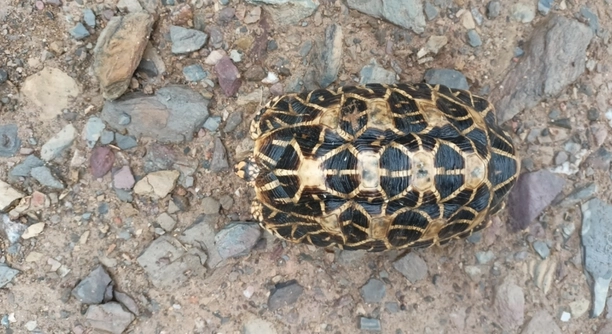
Star tortoises are fascinating creatures, but if you’ve noticed yours trying to climb vertical surfaces, you might be wondering why. This behavior is fairly common and can have several potential causes.
The behavior of climbing vertical surfaces may be linked to a mix of instinct, curiosity, and the natural desire for better access to food, heat, or territory. Star tortoises, being active animals, often engage in climbing as part of their exploration.
Understanding why your star tortoise engages in this behavior can help you address its needs and ensure its well-being. In the following sections, we will cover various theories and provide insights into how you can manage this behavior.
Natural Curiosity
Star tortoises are naturally curious animals. In the wild, they explore their surroundings constantly to find food, mates, or shelter. Climbing could simply be a way for them to investigate their environment. They are known to try climbing over rocks, logs, or anything in their path. While your pet may not be in the wild, this instinct is still strong. Even though climbing might seem odd, it’s often their way of interacting with the space they live in.
Tortoises have a need to explore, especially in an enclosed space. If their habitat is too small or lacks stimulation, they might climb out of boredom. It’s important to provide a larger, more enriching environment.
Tortoises also have an instinct to search for higher ground. In nature, being on higher surfaces provides a better vantage point. This instinct can still drive them to try to climb vertical surfaces, even though it might not be necessary in captivity. If your star tortoise doesn’t have enough space or places to climb safely, it may resort to trying to climb whatever it can find. Keeping their environment varied with safe objects for climbing can help keep them content.
Inadequate Habitat Setup
The setup of your tortoise’s habitat plays a major role in their behavior. If the space isn’t large enough or doesn’t have the right features, they might feel the need to escape or explore more than usual. Lack of hiding spots or uneven surfaces could lead them to try climbing things they shouldn’t. Inadequate lighting or temperature could also be pushing them toward higher spots, as they seek warmth and light.
Proper lighting and temperature regulation are key factors in keeping your star tortoise happy. Tortoises naturally seek out heat, and without the right basking areas, they might try climbing surfaces to find warmth. A proper setup encourages them to stay on the ground and explore in a safe, controlled manner.
Seeking Food or Water
Your star tortoise might be climbing because it’s searching for food or water. In the wild, they are always on the lookout for new sources of food, and the same behavior can carry over in captivity. If their food is placed too high or if they sense that there’s something just out of reach, they may try to climb in order to find it.
It’s important to make sure that food and water are always easily accessible to your tortoise. If they consistently struggle to reach their meals or water source, climbing behaviors can become more frequent. You may want to adjust the placement of their food bowls, making sure they are low enough and within reach.
If your tortoise feels that there’s something on top of a surface—whether food, water, or even light—it’s likely to attempt climbing. This behavior can be a sign that it is not satisfied with how easy it is to find what it needs. Addressing these basic needs can help reduce the climbing.
Temperature Regulation
Star tortoises are highly sensitive to temperature, and they instinctively seek out areas with the right heat. If the basking spot isn’t enough, they may try to climb in search of warmth. Proper temperature control within their environment is essential for their health and comfort.
If your tortoise climbs, it could be a sign that the temperature gradient in the enclosure is off. They might be looking for a spot that better mimics the warm areas of the wild. Make sure to provide enough basking spots with the right amount of heat so your tortoise doesn’t feel the need to climb in search of warmth. You may need to add more heating elements to the enclosure if climbing becomes frequent.
Keep an eye on your tortoise’s behavior to assess if temperature regulation might be the issue. If your pet spends too much time climbing, it’s a clue that their basic temperature needs aren’t being fully met. Ensure a good mix of cooler and warmer areas, giving them multiple options to choose from.
Stress or Anxiety
Stress can also make your star tortoise act out by climbing. Any changes in their environment, like moving their enclosure or adding new pets, could cause anxiety. Climbing might be a response to the discomfort of new surroundings or a lack of stability.
Ensure your tortoise’s environment is consistent. If there are constant changes or too much noise, it can lead to stress. Tortoises need quiet, calm surroundings to feel secure. Providing a stable environment, along with hiding spots or shelters, can help reduce anxiety and limit climbing behaviors.
Health Issues
If your tortoise is climbing more than usual, it could be a sign of discomfort or health issues. For instance, parasites or a shell problem may cause it to try and escape or act out. It’s important to keep an eye on any changes in behavior.
If climbing seems excessive or if you notice other signs of illness, it’s a good idea to consult a vet. Health problems, including respiratory infections or skin issues, might cause your tortoise to act in unusual ways, like trying to climb. Checking for any physical symptoms can help identify the issue early.
Lack of Space
Climbing could simply be a sign that your star tortoise needs more room. If the enclosure is too small, they might feel trapped and try to escape by climbing. The natural instinct to roam might kick in, leading to this behavior.
Ensuring that your tortoise has enough space to move around comfortably is essential. A cramped living space can increase stress and lead to more climbing as your tortoise tries to find an area to explore. Consider upgrading to a larger enclosure if the current one feels too small.
FAQ
Why does my star tortoise keep climbing walls?
Climbing is often a natural behavior for star tortoises. It could be linked to their instinct to explore and seek higher ground for better visibility. If your tortoise feels bored or doesn’t have enough stimulation, it may resort to climbing to fulfill its curiosity. It’s also possible that your tortoise is looking for a food source, warmth, or simply more space. If these needs aren’t met, the climbing may become more frequent. The behavior can also indicate that your tortoise is stressed, anxious, or feeling confined in an environment that lacks proper temperature or hiding spaces.
How can I stop my star tortoise from climbing?
The best way to address climbing is by improving its habitat. Make sure your tortoise has a large enough enclosure that provides both horizontal and vertical spaces for exploring safely. Adding objects like logs, rocks, or ramps can help satisfy their climbing instincts. Ensure the basking areas are well-placed and meet the temperature requirements to avoid them seeking heat by climbing. You should also keep the environment stable, avoiding loud noises or frequent changes that could stress your pet.
Can climbing be a sign of stress?
Yes, climbing can be a sign that your tortoise is stressed or anxious. Changes in the environment, such as a new pet, unfamiliar surroundings, or even a change in routine, can cause stress. If your tortoise is climbing excessively, it may be trying to escape a stressful situation. Providing a secure, calm environment and reducing sudden changes can help minimize this behavior. Ensuring your star tortoise has plenty of hiding spots and a sense of security in its space can also help alleviate stress.
Does my tortoise need more space?
Yes, lack of space could definitely be contributing to climbing. If the enclosure is too small or doesn’t have enough room for the tortoise to move around freely, it might feel confined and attempt to escape. Star tortoises naturally roam large areas in the wild, and a cramped environment can lead to frustration. A larger enclosure with proper enrichment, such as hiding places, climbing opportunities, and areas for grazing, will reduce the likelihood of climbing as your tortoise will have more options for exploration.
Is climbing dangerous for my star tortoise?
Climbing itself may not be dangerous, but it can become problematic if your tortoise attempts to climb surfaces that aren’t safe, like a glass wall or smooth, steep objects. This could lead to injury if the tortoise falls or strains itself. Additionally, climbing can lead to exhaustion if your tortoise constantly tries to find a higher spot that it can’t reach. Make sure to provide surfaces that are safe and stable for climbing, and watch for signs of injury or exhaustion from the behavior.
How can I ensure my tortoise is getting enough heat?
If your tortoise is climbing in search of heat, the issue may lie in its habitat’s temperature setup. Star tortoises require a temperature gradient in their enclosure, with a basking area around 90-95°F (32-35°C) and a cooler side around 75-80°F (24-27°C). You can achieve this by placing heat lamps or ceramic heaters in the basking area while leaving the cooler areas at room temperature. Ensure that the tortoise can move between these areas freely to regulate its body temperature. Proper lighting, such as UVB bulbs, is also essential for your tortoise’s overall health.
What can I do if my star tortoise is climbing because it is hungry?
If your tortoise is climbing in search of food, make sure that food is easily accessible in its enclosure. Place fresh vegetables, fruits, or grazing materials at a height it can reach, avoiding positioning food where it feels it needs to climb. If your tortoise is still climbing despite easy access to food, it could be a sign of boredom or an inadequate diet. You might want to experiment with offering a variety of food to see if the tortoise shows more interest in staying grounded.
Can climbing indicate health problems?
While climbing itself is not a direct indicator of health issues, excessive or sudden climbing can sometimes signal discomfort. For example, a tortoise in pain might try to climb out of its environment to find relief or to escape from a feeling of distress. Shell injuries, respiratory issues, or parasitic infections can make your tortoise behave differently. If climbing becomes more frequent, or if your tortoise exhibits other abnormal behaviors like lethargy, lack of appetite, or irregular movements, it’s a good idea to have a vet examine it.
Should I worry if my tortoise is climbing more than usual?
If climbing is more frequent than normal, it’s important to assess the underlying cause. While occasional climbing is natural, consistent or excessive climbing can indicate that something isn’t right in its environment, whether it’s related to food, temperature, stress, or space. Monitoring your tortoise’s behavior and making adjustments to its habitat can help reduce this issue. If the behavior persists and you’ve addressed all environmental factors, it’s best to seek advice from a vet to rule out health issues.
How do I know if my tortoise is bored?
Boredom is common in captive tortoises. Signs of boredom include excessive climbing, digging, pacing, or lack of interest in food. If your tortoise seems restless, it might not be getting enough stimulation. To combat boredom, provide different textures, climbing surfaces, and objects to hide behind. Enrichment can also come in the form of varied food, such as different leafy greens, flowers, and weeds. Introducing new items or rearranging the habitat frequently can also help prevent your tortoise from getting bored.
Can I train my tortoise to stop climbing?
While tortoises are not as trainable as some pets, you can encourage positive behaviors by ensuring their environment is fulfilling and meets their needs. Instead of actively training to stop climbing, focus on eliminating the reasons that cause climbing. Make the enclosure larger, add more enrichment, and ensure all the basics like temperature, food, and water are in place. With these changes, your tortoise will likely reduce climbing on its own. However, if the climbing persists despite improvements, it’s worth consulting with an expert or vet.
Final Thoughts
Star tortoises, like many other reptiles, are curious creatures by nature. They are often driven to climb, explore, and search for new environments, which is an instinct they carry from the wild. While climbing in itself isn’t always a problem, it can indicate that something in their environment isn’t meeting their needs. Whether they are searching for food, warmth, or simply looking for more space, understanding the reasons behind this behavior can help you make adjustments to their habitat.
It’s important to ensure your tortoise’s enclosure is spacious, comfortable, and stimulating. If your tortoise is constantly trying to climb, this might be a sign that it’s not satisfied with its environment. Providing hiding spots, varying the terrain, and adding different textures or climbing objects can give your tortoise more ways to explore. Keeping the enclosure large enough for it to roam freely can reduce the need for constant climbing, as it will have more options for both movement and comfort. Additionally, ensuring proper heating and lighting will help your tortoise feel secure and reduce climbing behavior driven by the search for warmth.
Lastly, always observe your tortoise for signs of distress or discomfort. If climbing becomes excessive or is accompanied by other unusual behaviors, it may be time to consult a vet. Health issues, such as parasites or injury, can also lead to climbing behaviors, so it’s essential to rule out any physical concerns. Providing a stable, enriched environment is key to keeping your star tortoise healthy and happy. With the right setup, your tortoise will likely spend more time on the ground, exploring its space in a more balanced way.

Hello,
If you enjoy the content that we create, please consider saying a "Thank You!" by leaving a tip.
Every little bit helps us continue crafting quality advice that supports the health, happiness, and well-being of pets around the world, for pets of all shapes, sizes, and species.
We really appreciate the kindness and support that you show us!