
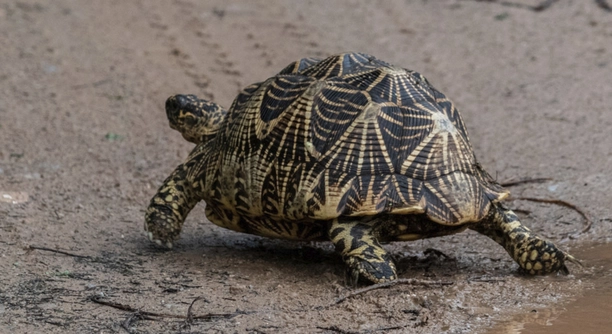
If you’ve noticed your star tortoise stomping around more than usual, you may be wondering what’s going on. This common behavior can signal various underlying reasons. Understanding why it happens will help you care for your pet better.
Tortoises stomp for several reasons, such as communicating, seeking attention, or feeling stressed. It may also be related to their environment or health, so identifying the cause is essential for proper care.
There are many possible causes behind your tortoise’s stomping behavior. Knowing the reasons can guide you in creating a more comfortable habitat for your pet.
Environmental Stress
One of the most common reasons your star tortoise may be stomping is stress caused by its environment. If there are sudden changes in temperature, humidity, or light, your tortoise may react by moving around more aggressively. Too much noise, overcrowding, or unfamiliar surroundings can also make your pet anxious, leading to stomping behavior. Tortoises are sensitive to their habitats, so even small changes can cause discomfort.
Sometimes, your tortoise might be trying to find a more comfortable spot or even escape if it feels unsafe. Keeping a consistent, quiet, and calm environment will help reduce this stress.
If you recently moved your tortoise to a new enclosure or location, check that the temperature and humidity are appropriate for its needs. Too much light or an overly cold or warm environment can upset your pet. Pay attention to the environment’s stability to keep your tortoise healthy and happy. Make sure there is a safe hiding spot to give them privacy when needed.
Communication
Tortoises can stomp as a way of communicating with their surroundings. If your tortoise is stomping while around other animals, it may be trying to assert dominance or send a message. This behavior is common among males, especially during mating season. They use stomping to show aggression or challenge other males.
During this time, you might notice your tortoise becoming more active, moving in a rhythmic pattern as it looks for attention or interaction. Mating behavior can be intense, and stomping is often a sign that your tortoise is ready to compete for attention.
If your tortoise is the only one in its enclosure, it may still stomp to try and get your attention. If it’s hungry or feels neglected, stomping may be a way to signal its need for care. Pay close attention to the timing of the stomping to better understand the cause.
Health Issues
Health problems can also make your star tortoise stomp. If your tortoise is in pain or discomfort, it might show this by stomping or pacing. Conditions like shell rot, digestive issues, or internal parasites can cause physical stress, which might lead to this behavior. It’s important to observe for other signs of illness, such as lethargy or loss of appetite.
If you notice any unusual behaviors along with stomping, it’s a good idea to take your tortoise to a vet for a thorough check-up. A health problem might be causing your pet to feel unsettled. Don’t ignore changes in behavior, as early detection of an illness can lead to better treatment.
In addition to physical pain, tortoises can also experience stress due to underlying health issues that aren’t immediately visible. Their stomping could be a sign that something is wrong, especially if the behavior is paired with a lack of eating or noticeable weight loss. If you’re unsure, seeking veterinary advice can help determine the cause. Early intervention can prevent more serious health issues from developing.
Boredom
Boredom is another common reason your star tortoise might be stomping. If your pet doesn’t have enough space to roam or lacks enrichment, it may act out by stomping around. Tortoises are naturally curious and need mental stimulation to stay happy. A lack of variety in their environment can lead to frustration.
To address boredom, make sure your tortoise has enough space to move around and explore. Adding different types of plants or hiding spots can give it something new to discover. You can also offer different textures and surfaces for your tortoise to walk on, which will provide physical stimulation. A lack of these elements can lead to repetitive behaviors like stomping.
Changing up the environment or adding items to interact with can reduce the likelihood of your tortoise stomping. Rotate objects to keep your pet engaged, and ensure they have access to a variety of surfaces and hiding spots. Regular changes in the habitat can prevent boredom and help create a healthier, more comfortable environment for your tortoise.
Inadequate Diet
An inadequate diet can cause your star tortoise to become agitated or restless, leading to stomping behavior. If your tortoise is not getting the proper nutrients, it may display signs of frustration. A lack of variety or essential vitamins can affect its mood and health.
Make sure your tortoise is eating a balanced diet, including leafy greens, vegetables, and occasional fruits. Avoid feeding them foods high in protein, as this can cause health problems. A poor diet can lead to behavior changes, including excessive movement or frustration.
Mating Behavior
During mating season, your tortoise may stomp to signal its readiness to mate or to establish dominance over other males. This behavior can be seen more in males who are actively seeking females. It’s important to recognize these signs for proper care.
If your tortoise is showing signs of aggression or constant stomping, it might be linked to mating instincts. Make sure to provide enough space to reduce conflicts, and avoid handling the tortoise too much during this time.
Lack of Proper Lighting
Proper lighting is crucial for your tortoise’s well-being. Without it, your pet may become stressed, which can result in stomping. UVB lighting is essential to help your tortoise synthesize vitamin D3, which is vital for calcium absorption and overall health.
Without the right lighting setup, your tortoise may experience a drop in energy levels and mood, which could lead to restless behavior like stomping.
FAQ
Why is my star tortoise stomping around constantly?
If your star tortoise is stomping constantly, it could be due to stress or discomfort. Check for any signs of environmental changes such as temperature fluctuations, overcrowding, or changes in their surroundings. Additionally, health issues like shell rot or parasites can cause restlessness. It’s also possible that your tortoise is bored or looking for more space to explore. Regularly checking its environment and health can help you pinpoint the issue.
Can stomping be a sign of aggression in my star tortoise?
Yes, stomping can sometimes be a sign of aggression, especially if there are other tortoises around. Male tortoises may stomp during the mating season to assert dominance or attract a mate. If you have multiple tortoises, this could be a way of signaling territorial boundaries. If aggression continues, it might be a good idea to separate them to reduce stress or fighting.
How do I know if my tortoise is stressed from its environment?
Stress from the environment often shows through changes in behavior, such as excessive pacing, stomping, or hiding. Tortoises are very sensitive to their habitat, and even slight changes in temperature, humidity, or noise levels can trigger stress. If your tortoise is stomping and acting unusually, ensure the enclosure temperature is appropriate, and check that there are no loud noises or disturbances in the area. Providing a consistent, quiet, and safe environment will help keep your tortoise calm.
What can I do if my tortoise stomps because it’s bored?
If your tortoise seems bored, providing more stimulation in its habitat can help. Add different types of plants, hiding spots, and surfaces to encourage exploration. You can also rotate items in the enclosure to keep things fresh and interesting for your tortoise. Ensure that your pet has enough space to roam around, as limited space can contribute to frustration and boredom.
Could stomping be related to my tortoise’s diet?
Yes, stomping can sometimes be linked to diet issues. If your star tortoise isn’t getting the right nutrients, it might become agitated or restless. Make sure you’re providing a balanced diet rich in leafy greens, vegetables, and occasional fruits. A lack of important vitamins, like calcium or vitamin A, can affect your tortoise’s mood. If your tortoise isn’t eating well or showing signs of being unwell, it’s worth reassessing its diet and considering a visit to the vet.
Is stomping a sign of health problems in my tortoise?
Health problems can definitely cause your tortoise to act differently. Stomping could be a sign of discomfort due to issues like shell rot, internal parasites, or gastrointestinal problems. If the stomping is accompanied by other symptoms, such as lethargy, lack of appetite, or changes in appearance, it’s important to seek veterinary advice. Health problems can sometimes cause pain, which your tortoise may express through physical behaviors like stomping.
How can I tell if my tortoise is stomping due to mating behavior?
Mating behavior often involves increased activity, including stomping, especially in males. They may stomp around as a way of showing dominance or attracting females. You might also notice other signs of mating behavior, like head bobbing, chasing, or more intense activity. If your tortoise is stomping during certain seasons or in the presence of other tortoises, it could be related to mating.
Can temperature changes cause my tortoise to stomp?
Yes, temperature changes can cause your tortoise to become stressed or uncomfortable. If the temperature in its enclosure is too hot or too cold, your tortoise might become agitated and start stomping. Tortoises are cold-blooded, so they rely on a stable, warm environment to stay comfortable. Check the temperature of the enclosure regularly, and ensure that there is a warm spot and a cooler area for your tortoise to regulate its body temperature.
What is the best way to stop my tortoise from stomping?
The best way to stop stomping is to first figure out the cause. If your tortoise is stomping due to stress, create a calm and stable environment with the right temperature, humidity, and lighting. Make sure it has enough space, hiding spots, and enrichment to keep it engaged. If the stomping is related to health issues, consult a veterinarian to address the problem. Keeping your tortoise well-fed, healthy, and comfortable will help reduce unwanted behaviors.
Should I be worried if my tortoise stomps occasionally?
Occasional stomping is typically not something to worry about, as tortoises may do this simply to explore their surroundings or stretch their legs. However, if the stomping becomes more frequent or aggressive, it’s worth considering potential underlying issues such as stress, health problems, or mating behavior. Keeping a close eye on your tortoise’s overall behavior and environment can help you spot any signs that need attention.
Does stomping mean my tortoise is in pain?
Stomping doesn’t always mean your tortoise is in pain, but it could be a sign that something isn’t right. If your tortoise is stomping while also showing other signs of illness, such as lethargy, loss of appetite, or visible injuries, it’s important to get a vet’s opinion. Painful conditions like shell rot or digestive issues could cause your tortoise to feel discomfort and act out in response.
How can I help my tortoise feel less stressed?
To help your tortoise feel less stressed, create a quiet, safe, and comfortable environment. Ensure the temperature, humidity, and lighting are all within the proper range for your pet. Add plenty of hiding spots and spaces for exploration to make it feel secure. Avoid sudden changes in its environment, and handle your tortoise gently to reduce stress. Regularly check for any health issues to prevent stress caused by illness.
How often should I change my tortoise’s habitat to reduce stomping?
Changing your tortoise’s habitat regularly can help prevent boredom and reduce stomping. It’s a good idea to rearrange the enclosure every few weeks, adding new plants or objects for your tortoise to explore. However, make sure to keep the habitat stable with the right temperature, lighting, and humidity. Frequent changes should be balanced with a sense of consistency to avoid additional stress.
Final Thoughts
Understanding why your star tortoise is stomping can help you create a better environment for it. Stomping is often a way for your tortoise to express its feelings or needs. It could be related to stress, boredom, or even health issues. By paying attention to these signs, you can make sure your pet is comfortable and well cared for. Whether it’s adjusting the habitat, improving the diet, or providing more space for exploration, making changes based on the cause can help reduce stomping.
If your tortoise’s behavior continues or worsens despite changes, it might be time to consult a vet. Health problems can sometimes cause tortoises to act out, and it’s important to rule out any potential medical issues. By recognizing the signs of illness early, you can prevent more serious conditions from developing. A professional diagnosis can give you peace of mind and help you take the best steps to improve your tortoise’s health.
Remember that tortoises have unique needs, and their behavior is often a way of communicating those needs. Providing a stable, enriching environment is essential to ensuring your pet’s happiness and well-being. By being observant and responsive, you can create the best possible environment for your star tortoise, minimizing stomping and fostering a healthy, content pet.

Hello,
If you enjoy the content that we create, please consider saying a "Thank You!" by leaving a tip.
Every little bit helps us continue crafting quality advice that supports the health, happiness, and well-being of pets around the world, for pets of all shapes, sizes, and species.
We really appreciate the kindness and support that you show us!