
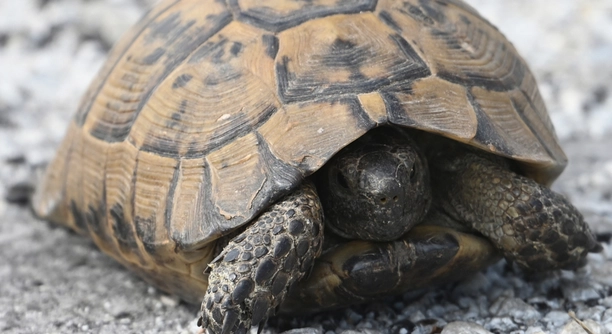
A Russian tortoise flipping over can be a frustrating sight for any pet owner. Understanding why this happens is key to ensuring your tortoise’s health and well-being. It’s important to know how to handle such behavior.
Your Russian tortoise may attempt to flip over due to its natural behavior and environment. In some cases, this behavior is linked to stress, improper habitat setup, or simply exploring its surroundings. Ensuring proper care and space can help prevent it.
Understanding your tortoise’s behavior is essential to providing the best care. With some adjustments, you can help your tortoise feel more comfortable and secure in its habitat.
Why Does My Russian Tortoise Flip Over?
A Russian tortoise flipping over is a common issue that can cause concern. These tortoises, being naturally curious, often explore their environment by climbing or digging. If the habitat isn’t set up properly, they may try to turn over due to a lack of space or obstacles that prevent them from moving freely. The behavior is sometimes more frequent in younger tortoises, as they are more active. A small enclosure can make them feel trapped, leading them to flip over while searching for more room. Providing ample space, hiding spots, and proper bedding can help reduce this behavior.
To help your Russian tortoise, make sure the habitat has clear boundaries and obstacles that keep them from getting stuck. Adding a variety of surfaces for them to explore and ensuring their environment is enriched with hiding spots can also reduce frustration. Regularly check for areas where they might be prone to flipping over, such as slippery surfaces.
Proper care includes not only adequate space but also ensuring their diet and humidity levels are appropriate. Too much humidity or an incorrect diet could increase the likelihood of stress. With a proper balance of space and comfort, your tortoise will feel more secure and likely avoid flipping over.
How to Prevent Flipping Over
It’s essential to create a stable and safe habitat for your tortoise. Ensure that there are no steep inclines or surfaces that can make it difficult for them to move. A comfortable environment goes a long way.
To prevent your Russian tortoise from flipping over, start by choosing a larger enclosure. A space that allows for free movement without obstacles will help reduce flipping attempts. Ensure the bedding is soft enough to cushion their falls but firm enough to support them during exploration. You can also provide smooth ramps that allow them to navigate easily without flipping.
For healthy growth and comfort, check that the enclosure temperature is regulated, with areas that allow for both heat and cooler spaces. An ideal humidity level is essential for their well-being. Adding plants or rocks in the enclosure not only mimics their natural environment but also helps create a more enriching space. This reduces stress and the risk of your tortoise flipping over while moving around.
Common Causes for Flipping Over
Flipping can be a sign of discomfort or a need for exploration. Stress, limited space, and a lack of stimulation often contribute to this behavior. Russian tortoises are curious, and when confined, they may attempt to explore in ways that put them at risk of flipping over. This is a natural instinct, but it can be avoided with the right care.
Often, the enclosure’s size is a significant factor. If the area is too small, your tortoise may become frustrated, leading to flipping as it tries to explore every corner. Providing more space gives them the freedom they need to move and reduces the likelihood of flipping. A larger habitat allows for more hiding spots and climbing opportunities, which naturally occupy your tortoise’s curiosity. Ensuring your tortoise has enough room is crucial in keeping them healthy and preventing these flipping behaviors.
The type of surface your tortoise has access to also plays a big role. Slippery surfaces can make movement difficult, causing your tortoise to tip over while trying to maneuver. Using rougher surfaces or more stable flooring materials will help keep your tortoise from losing balance. Adding appropriate bedding material like coconut coir or a soft, sturdy substrate can make them feel more secure as they move around.
Habitat Setup and Environment
Creating the right habitat can significantly reduce flipping behavior. A proper setup should mimic the natural environment as much as possible, giving your tortoise areas to explore and feel safe. Regularly adjust the environment to avoid boredom or stress.
To create a more stimulating environment, consider adding rocks, plants, or logs for your tortoise to interact with. These features encourage movement and provide opportunities for climbing and hiding. Keep the environment dynamic to engage your tortoise’s natural instincts. Rotating the items in the habitat or adding new ones every few weeks helps to maintain interest and reduce repetitive behaviors. The more your tortoise has to explore, the less likely it will engage in behavior that leads to flipping.
Don’t forget about the climate. Russian tortoises require specific temperature and humidity levels for optimal health. A heated area for basking and a cooler space for rest will ensure they are comfortable and not stressed. If the temperature fluctuates too much, your tortoise may feel unsettled, which can trigger unwanted behaviors. Monitoring these environmental conditions will help your tortoise stay balanced and less likely to flip.
Stress and Anxiety in Russian Tortoises
Stress can lead to behavior problems in your Russian tortoise, including flipping over. If they feel threatened or uncomfortable in their environment, they may act out. Avoiding overly loud noises and sudden changes can help reduce stress, as well as providing a consistent routine for feeding and interaction.
A lack of stimulation can also contribute to stress. Russian tortoises are active and need more than just space to thrive. They require mental engagement from activities like foraging or exploring new textures. Without enough mental stimulation, your tortoise may start to display behaviors like flipping over due to frustration or boredom. Keeping their environment engaging is crucial.
Handling Flipping When It Happens
If your tortoise flips over, it’s important to act quickly to prevent injury. Gently place them back on their feet and check for signs of stress or discomfort. If the behavior continues, it may signal a larger problem that needs addressing.
While flipping is often harmless in the short term, repeated occurrences can lead to physical strain, especially on their shell or limbs. If you notice any changes in their movement or signs of injury, consider a visit to the vet to ensure no lasting damage. Addressing the cause of the flipping is key to avoiding further issues.
Adjusting Their Diet and Routine
Your tortoise’s diet plays an important role in its behavior and overall health. A poor diet can cause stress, leading to behaviors like flipping. Ensure your Russian tortoise has a balanced diet of leafy greens, vegetables, and some fruits. Offering varied food keeps them satisfied and healthy.
Improper feeding schedules or irregular meal times can also contribute to your tortoise’s stress levels. Consistency in feeding, along with the right nutrients, can help reduce anxiety and improve behavior. Be sure to avoid high-protein foods that could upset their digestive system and contribute to excess stress or flipping tendencies.
FAQ
Why is my Russian tortoise constantly flipping over?
There are several reasons why your Russian tortoise may be flipping over. One common cause is the size and setup of the enclosure. If the habitat is too small or lacks sufficient climbing opportunities, your tortoise may try to explore and end up flipping over. Another possibility is stress or frustration from inadequate space or a lack of stimulation. Young tortoises, in particular, can be more curious and active, leading to more frequent flipping. Improper flooring, too slippery or rough, may also contribute to the issue, as your tortoise may lose balance while moving.
How can I prevent my tortoise from flipping over?
The key to preventing flipping is providing a spacious and secure environment. Ensure the enclosure is large enough for your tortoise to move around freely. Adding logs, rocks, or plants allows them to explore safely, reducing their need to flip over. Avoid sharp or slippery surfaces, and use bedding that provides traction and comfort. Make sure there are areas for your tortoise to hide or rest, as well as an appropriate temperature gradient to regulate their body heat. Lastly, create an enriching environment to prevent boredom, such as offering different textures or places to explore.
Is flipping dangerous for my Russian tortoise?
Flipping over occasionally is usually not harmful, but if it happens frequently, it can cause strain on your tortoise’s body and may lead to injuries. Repeated flipping can stress their shell or cause bruising, and in some cases, it might even affect their internal organs. If the flipping becomes a regular problem, you should investigate and adjust the habitat accordingly. If you notice your tortoise displaying signs of injury, lethargy, or difficulty moving, it’s best to take them to a vet for a thorough check-up.
Should I handle my Russian tortoise more to prevent flipping?
While handling your tortoise is a good way to bond, excessive handling can add stress, especially if your tortoise is not used to being picked up frequently. To prevent flipping, focus more on improving their habitat rather than handling them more often. Creating a stimulating environment with enough space, hiding spots, and a temperature-controlled area is much more effective in reducing flipping behavior. If you do handle your tortoise, be gentle and avoid flipping them onto their back.
How can I make my tortoise feel more secure in its enclosure?
To make your tortoise feel secure, you must replicate some aspects of its natural environment. Offer hiding places where your tortoise can retreat if it feels threatened. Substrate like coconut coir or reptile carpet helps with comfort and stability. Providing enough visual barriers or plants will help your tortoise feel more at ease. A proper heat source with a temperature gradient allows your tortoise to regulate its body temperature and provides a sense of security. Ensuring these elements will help reduce stress, which in turn can lessen flipping behavior.
Can flipping be a sign of illness or injury in my tortoise?
While flipping itself is often a behavioral issue related to the environment, it can occasionally be a sign of illness or injury. If your tortoise suddenly starts flipping frequently and doesn’t recover quickly, or if you notice any other abnormal behavior (such as lack of appetite, lethargy, or irregular movement), it may be a sign of health problems. In such cases, a visit to a reptile vet is recommended to rule out any underlying medical issues.
What type of bedding is best for preventing flipping?
The best bedding for preventing flipping is one that provides both comfort and stability. Avoid slippery materials such as smooth tiles or plastics, as they can make it difficult for your tortoise to maintain balance. Opt for natural bedding like coconut coir, as it provides both traction and comfort. You can also mix in grass hay or leaves to give your tortoise a more natural and textured environment. Providing a soft yet supportive surface can help reduce flipping while encouraging natural behaviors.
Can humidity affect flipping behavior in my tortoise?
Yes, humidity levels can influence your tortoise’s behavior. Russian tortoises prefer dry to moderate humidity. High humidity levels, especially in their bedding, can lead to stress, making them feel uncomfortable and possibly contributing to flipping. On the other hand, excessively dry conditions can also be harmful. It’s important to maintain a balance—humidity should be monitored and adjusted to avoid discomfort. A hygrometer can help ensure the right levels are maintained to keep your tortoise healthy and secure.
How often should I change the habitat setup to prevent flipping?
Changing the setup periodically helps keep your tortoise’s environment engaging and prevents boredom, which can lead to flipping. You don’t need to overhaul the entire habitat, but rotating toys, adding new climbing structures, or changing the layout of the enclosure can encourage exploration and reduce repetitive behaviors. This helps keep your tortoise mentally stimulated, leading to a more comfortable and balanced lifestyle. However, be mindful of not making drastic changes too frequently, as it may cause additional stress.
Are there any toys or objects that can help prevent flipping?
Yes, toys and objects can be beneficial in preventing flipping by encouraging natural behaviors. Add items like rocks, logs, or branches for climbing and hiding. Tortoises also enjoy foraging for food, so consider scattering food around the enclosure or placing it in different spots to make it more interesting. These objects not only provide entertainment but also help with physical activity, which can keep your tortoise from attempting to flip over in search of stimulation. Always ensure that the objects are safe and stable for your tortoise to explore.
Final Thoughts
Understanding the reasons behind your Russian tortoise flipping over is essential for providing the best care. Whether it’s due to environmental factors, stress, or a need for more stimulation, addressing the cause can help prevent this behavior. Creating a suitable habitat with enough space, hiding spots, and proper temperature is key. Russian tortoises are naturally curious creatures and need a secure environment where they can explore safely. A well-thought-out setup not only keeps them comfortable but also reduces the chances of flipping over.
In addition to the right habitat, it’s important to pay attention to your tortoise’s diet and routine. A balanced diet of leafy greens, vegetables, and some fruits can keep your tortoise healthy and less stressed. An irregular feeding schedule or improper food choices can contribute to anxiety or physical discomfort. A consistent routine helps your tortoise feel secure, and ensuring they have the right nutrition supports their overall well-being. Taking these small steps can significantly improve your tortoise’s quality of life.
If flipping becomes a persistent issue, it’s important to take action before it leads to injury. Gently correcting your tortoise when they flip and making adjustments to their environment can prevent any lasting damage. Monitoring their behavior and seeking professional advice from a vet if needed can help you better understand your tortoise’s health and needs. A few simple changes to their habitat and care routine can make a significant difference, keeping your tortoise safe, happy, and healthy.

Hello,
If you enjoy the content that we create, please consider saying a "Thank You!" by leaving a tip.
Every little bit helps us continue crafting quality advice that supports the health, happiness, and well-being of pets around the world, for pets of all shapes, sizes, and species.
We really appreciate the kindness and support that you show us!