
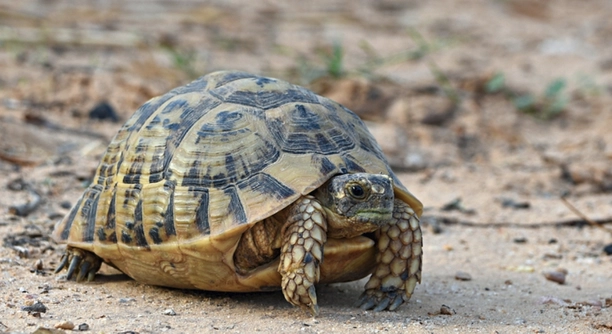
If you are a proud owner of a Russian tortoise, you may have noticed some odd behaviors. One of the most common is seeing your tortoise attempt to flip over, which can be concerning. Understanding the reasons behind this is essential.
The primary cause of a Russian tortoise trying to flip over is its natural curiosity and active behavior. In some cases, they may get stuck while exploring an enclosure or trying to reach food, leading to the flipping attempt.
By addressing these issues, you can ensure your tortoise’s safety and overall well-being.
Common Reasons Your Russian Tortoise Flips Over
A Russian tortoise might flip over for various reasons. When placed in an unfamiliar environment, they can become curious and try to explore areas they can’t reach. This might lead to them getting stuck or flipping onto their back. Sometimes, their natural instinct to climb or dig could result in these flips. If their enclosure lacks proper hiding spots or objects to climb, they may try to explore in ways that put them in vulnerable positions. Additionally, injuries or health issues can affect their balance, causing them to flip. It is important to closely monitor their environment to avoid these occurrences.
To help prevent this behavior, make sure their enclosure is free of obstacles that could cause flipping. Adding ramps or platforms for climbing can also help your tortoise move around more safely.
A well-structured environment with proper hiding spaces and gentle slopes is essential. This ensures that your Russian tortoise can explore without the risk of flipping over. Regularly checking the setup can minimize the chances of accidents. Ensuring proper care will help keep your pet healthy and happy.
Signs of Imbalance or Health Issues
If your tortoise is frequently flipping, it could be a sign of a balance issue or health problems. Pay attention to how often this occurs.
A Russian tortoise that is unwell may try to move around but struggles to maintain balance. This can result in flipping. If you notice other signs, such as lethargy, loss of appetite, or difficulty moving, it’s important to consult a veterinarian. Some conditions, like dehydration or nutritional deficiencies, can cause weakness or poor motor control. These can lead to your tortoise flipping over as it tries to move.
Ensuring your tortoise receives a balanced diet and is properly hydrated is crucial to preventing health-related issues. Offering fresh, nutrient-rich vegetables and access to clean water can support their overall health. Regular checkups with a vet will also help catch any potential problems before they escalate.
Enclosure Setup and Safety Measures
Your Russian tortoise’s enclosure plays a large role in its behavior. A setup that’s too small or poorly arranged can cause stress and may lead to flipping. Ensure your tortoise has enough space to move freely and explore safely.
Add structures like rocks, logs, or platforms to create a natural environment that gives your tortoise areas to climb or hide. Avoid placing items that are too steep or unstable, as they can cause your tortoise to tip over. By providing a variety of textures and surfaces, your tortoise will have opportunities to move in different ways without the risk of flipping.
In addition to physical structures, make sure the temperature and humidity levels are consistent. Poor environmental conditions can make your tortoise weak or sluggish, which increases the chances of accidents. Regularly inspect the enclosure to ensure it’s safe and suitable for your tortoise’s needs.
Monitoring Activity and Behavior
When a tortoise flips, it’s important to observe its behavior afterward. Constant flipping may indicate an underlying issue such as discomfort or stress. Monitor how frequently it happens and look for patterns that may point to specific triggers.
Keep track of when and where flipping occurs most often. Does it happen during feeding time, or when the tortoise is exploring certain areas? This could help you understand whether it’s a matter of curiosity or something more serious. Sometimes, flipping is just part of their natural exploratory behavior, but frequent occurrences may suggest the need for adjustments in their environment.
By observing your tortoise’s routine and behavior, you’ll be better equipped to address any potential issues. Monitoring can also help you identify signs of health problems early, which will lead to quicker action and better care.
Feeding Habits and Impact on Health
The food your tortoise eats can impact its strength and balance. An unbalanced diet may lead to issues like weakness, affecting its ability to move properly and potentially causing flipping. Ensure your tortoise is eating the right amount of nutrients.
A healthy diet should include dark leafy greens, some fruits, and the occasional high-fiber vegetable. Offer a variety of food to provide the necessary vitamins and minerals. Avoid too much fruit or rich foods, as they can lead to obesity, which could negatively impact mobility and balance. Regularly assess their diet to ensure it meets their needs.
Hydration and Its Role
Dehydration can be a factor in your tortoise’s flipping behavior. When a tortoise isn’t hydrated enough, it can feel weak and have trouble moving properly. Make sure fresh water is always available to encourage drinking.
Consider providing a shallow water dish that your tortoise can easily access. Dehydration affects all aspects of a tortoise’s health, including its balance and ability to right itself after flipping. If you notice your tortoise becoming sluggish or experiencing frequent flips, dehydration may be a cause.
FAQ
Why does my Russian tortoise flip over often?
Frequent flipping can happen for a few reasons. It might be due to the layout of the enclosure, such as too many steep surfaces or a lack of safe hiding spots. It could also be linked to the tortoise’s health, as illness or dehydration can cause balance issues. In some cases, it’s just part of their natural curiosity. Keep an eye on the environment and overall well-being to figure out the cause.
How can I prevent my tortoise from flipping over?
Make sure the enclosure is designed with your tortoise’s natural behavior in mind. Avoid sharp or steep surfaces that could easily cause a flip. You can add ramps or platforms to give your tortoise a safe way to climb and explore. Additionally, make sure the temperature and humidity are optimal to support your tortoise’s health. Regularly check for hazards that could cause accidents.
Can dehydration cause my tortoise to flip over?
Yes, dehydration can weaken your tortoise and make it harder for them to maintain balance, which could lead to flipping. Make sure your tortoise has access to clean, fresh water at all times. If you notice signs of dehydration, such as lethargy or dry skin, it’s important to increase their hydration by offering water more often and monitoring their intake.
What should I do if my tortoise keeps flipping over?
First, check the enclosure for potential hazards or areas that may be causing the flipping. If the environment seems safe, observe your tortoise’s behavior and health. If flipping is frequent or accompanied by signs of illness, like lethargy or loss of appetite, take your tortoise to the vet. A health check will help identify any underlying issues.
Are there any health issues that can cause a Russian tortoise to flip over?
Yes, health problems can affect a tortoise’s balance and mobility. Conditions like respiratory infections, shell deformities, or even metabolic bone disease can cause weakness or disorientation, leading to flipping. If flipping occurs regularly and your tortoise shows other signs of illness, it’s essential to consult a veterinarian for a thorough examination.
How do I know if my tortoise is unhealthy or just being curious?
Pay attention to the frequency and context of the flipping. If it happens occasionally during exploration and there are no other signs of illness, it’s likely just natural curiosity. However, if the flipping is more frequent or happens outside of normal behavior, or if you notice lethargy, changes in appetite, or any other unusual symptoms, consult a veterinarian to rule out any health issues.
Can I fix an imbalance by adjusting their diet?
Yes, diet plays a significant role in your tortoise’s health. If they’re not getting enough calcium or vitamin D, for example, it can lead to metabolic bone disease, which causes weakness and poor balance. Make sure your tortoise is getting the right balance of foods, including leafy greens, fiber, and a calcium supplement if needed. A well-rounded diet supports overall strength and health, which can reduce flipping caused by imbalance.
Should I be concerned if my tortoise flips but can get back up?
It’s generally not a cause for concern if your tortoise occasionally flips over but is able to right itself. Tortoises are resilient and often have the ability to flip themselves back. However, if flipping happens often or if your tortoise seems unable to recover on its own, it could indicate an underlying issue with health, the enclosure setup, or diet.
What are some signs that my tortoise is dehydrated?
Signs of dehydration include lethargy, dry or wrinkled skin, sunken eyes, and a lack of interest in food. If you notice these signs, it’s important to increase hydration immediately. You can offer water more frequently or provide a shallow dish for your tortoise to soak in. If dehydration continues, consult a veterinarian for advice.
Can the temperature of the enclosure cause my tortoise to flip over?
Yes, improper temperature can affect your tortoise’s behavior. If the temperature is too high or too low, it may cause weakness, lethargy, and difficulty moving, leading to flipping. Ensure your tortoise has a temperature gradient in its enclosure, with a warm basking area and a cooler side to regulate its body temperature.
What’s the best way to set up my tortoise’s enclosure to prevent flipping?
To prevent flipping, avoid sharp corners, steep ramps, or unstable objects in the enclosure. Offer a variety of surfaces, such as rocks, logs, and gentle slopes. These will give your tortoise opportunities to climb and hide safely without the risk of flipping. A well-maintained enclosure that mimics their natural environment can reduce accidents and improve your tortoise’s overall well-being.
How can I tell if my tortoise is stressed, which could lead to flipping?
Stress in tortoises can manifest as excessive hiding, lack of appetite, or sudden changes in behavior. Stress can come from environmental factors, such as overcrowding, loud noises, or poor enclosure conditions. Stress can also lead to physical symptoms like flipping, so if you notice any of these signs, it’s important to address the source of stress immediately.
Is it normal for my tortoise to flip once in a while?
Occasional flipping is generally normal, especially if your tortoise is exploring or adjusting to its environment. However, frequent flipping or an inability to right itself can be concerning. If your tortoise is frequently flipping or struggling to recover, it’s important to assess the environment and consult a veterinarian to rule out any health issues.
Final Thoughts
When it comes to a Russian tortoise flipping over, the causes can range from environmental factors to health issues. Ensuring the right setup in their enclosure is key. A well-designed environment helps prevent accidents, giving your tortoise the space it needs to roam and explore safely. This includes making sure surfaces are smooth and gentle, avoiding steep climbs, and providing hiding spots that allow your tortoise to feel secure. A balanced habitat goes a long way in supporting their overall health and well-being.
However, flipping can also signal underlying health concerns. Dehydration, poor nutrition, or physical weakness can all contribute to balance issues, making it harder for your tortoise to recover if it flips. It’s important to regularly monitor your tortoise’s diet, hydration, and physical condition. Adding leafy greens, providing fresh water daily, and offering calcium supplements if necessary can help prevent health problems that affect their movement. If you notice any concerning symptoms, such as lethargy or unusual behavior, it’s wise to consult a veterinarian for further evaluation.
While occasional flipping is a natural part of a tortoise’s behavior, it’s essential to pay attention if it becomes frequent or if your tortoise struggles to get back on its feet. Making small changes to the environment and diet can often solve these issues. Still, it’s important to stay vigilant about your tortoise’s health. Monitoring their condition and making necessary adjustments will help ensure that your tortoise leads a happy and healthy life, free from frequent flipping incidents.

Hello,
If you enjoy the content that we create, please consider saying a "Thank You!" by leaving a tip.
Every little bit helps us continue crafting quality advice that supports the health, happiness, and well-being of pets around the world, for pets of all shapes, sizes, and species.
We really appreciate the kindness and support that you show us!