
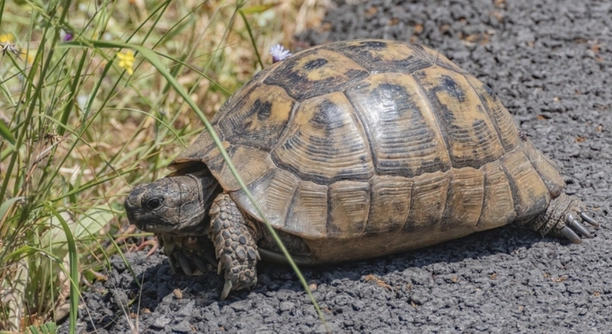
Russian tortoises are fascinating creatures, known for their playful nature and unique behaviors. It can be surprising to notice your tortoise trying to escape from its enclosure, especially if it seems content in its space.
The primary reason your Russian tortoise may be attempting to escape is due to natural instincts for exploration. Tortoises are territorial and curious by nature, so they may feel the need to explore beyond their enclosure to find food or mates.
Understanding why your tortoise is trying to escape is important for providing a suitable environment. This can help ensure your pet is healthy and happy, avoiding stress or harm in the process.
Why Is My Russian Tortoise Trying to Escape?
Russian tortoises are known for being curious and active. In their natural habitats, they roam wide areas in search of food, shelter, and mates. This natural instinct to explore often carries over to their behavior in captivity. If your tortoise seems determined to escape, it’s likely trying to satisfy its need for a larger territory. In the wild, tortoises are not used to being confined to small spaces, and they may feel confined or stressed in an enclosure that is too small or lacks enrichment.
A few other factors can contribute to their behavior. Tortoises may escape to find a more comfortable or cooler area, especially if their current environment is too warm or lacks proper humidity. Ensuring their enclosure has a variety of hiding spots and cooler spaces can help curb this behavior.
It’s important to recognize that a tortoise attempting to escape could be a sign of boredom, stress, or discomfort. These behaviors are simply their way of expressing a need for change, whether it’s environmental or physical. Knowing how to address these factors can help prevent future escapes.
How to Prevent Escape Attempts
If your tortoise is trying to escape, it’s time to consider its living conditions. Make sure its enclosure is large enough and that the temperature and humidity are right. Adding rocks, plants, and hiding spots will give your pet plenty of things to explore.
Tortoises often need more than just space—they need mental stimulation. Enrich their environment by providing toys or safe objects to climb on, as well as a variety of foods to keep them interested.
Proper Enclosure Size
An appropriate enclosure is key to your tortoise’s comfort. If it’s too small, your tortoise might feel trapped and try to escape. A general rule is to provide at least 4 square feet of space for one tortoise. More space means more room to roam and explore. Larger enclosures allow them to feel less confined and more at ease.
It’s important to create a safe and secure environment. Use sturdy walls that are tall enough to prevent your tortoise from climbing over. If the walls aren’t high enough, your pet might figure out a way to escape. Keeping the floor of the enclosure safe and free from obstacles also makes it easier for your tortoise to move around without feeling restricted.
Tortoises also prefer a variety of environments within their enclosures. Incorporating different textures, hideaways, and hiding spots encourages exploration. Consider adding areas with rocks, logs, or small plants where your tortoise can forage. This helps mimic their natural habitat and satisfies their curiosity.
Temperature and Humidity
Russian tortoises thrive in environments with controlled temperature and humidity. If their enclosure is too hot or too cold, they might try to escape in search of a more comfortable space. Keeping the temperature between 75°F and 85°F during the day is ideal.
In addition to temperature, humidity plays a crucial role in your tortoise’s health. A dry environment can cause dehydration or skin problems, which may cause your tortoise to act out. The humidity should be kept between 40% and 60%. Adjust the environment with misting or a humidity controller if necessary. Be sure to monitor both temperature and humidity regularly to avoid any drastic changes that could stress your tortoise.
When providing proper temperature and humidity, your tortoise will feel more comfortable and secure, reducing the urge to escape. Creating a consistent environment with the right balance can significantly improve their overall well-being. This can help prevent behavior that is linked to discomfort or stress.
Enrichment and Stimulation
Tortoises need more than just space and temperature control—they also require stimulation. If they aren’t mentally engaged, they might try to escape out of boredom. Introducing different objects like rocks, logs, or safe plants can give them something to explore.
Adding new items to their environment keeps things interesting and helps them stay active. It could be as simple as hiding their food in various places to encourage foraging. This mimics the search for food they would experience in the wild. The more variety in their environment, the less likely they are to feel the need to escape.
Food and Diet
A balanced diet is another important aspect of your tortoise’s well-being. When their diet lacks nutrients, they might feel unsettled and seek a change, potentially leading to escape attempts. Ensure they have access to fresh vegetables, grasses, and the occasional treat like fruit.
A healthy diet supports a healthy tortoise. It’s essential to provide the right balance of fiber, calcium, and other nutrients. You can even change up the food to maintain interest. Feeding them regularly will keep them satisfied and prevent stress caused by hunger or malnutrition.
Secure the Enclosure
To avoid escape, ensure your tortoise’s enclosure is secure. Double-check all openings and seams. Even a small gap can lead to an escape attempt. If your tortoise manages to squeeze through, it can be dangerous for them.
The lid should fit snugly, and doors should latch properly. Additionally, placing heavier items around the base can help prevent digging or nudging the walls. Always check for wear and tear to ensure the enclosure remains sturdy and safe over time.
FAQ
Why is my Russian tortoise constantly trying to escape?
Russian tortoises are naturally curious and territorial. In the wild, they roam large areas to search for food and mates. When confined to a small space, they may feel the need to escape out of instinct. This could also be due to stress, boredom, or discomfort with their environment. Lack of proper space, temperature, or humidity might prompt them to seek a more suitable area. Ensure their enclosure has enough space and provides mental stimulation, along with the proper temperature and humidity to reduce escape attempts.
Can my Russian tortoise escape from its enclosure?
Yes, Russian tortoises can escape if their enclosure isn’t secure enough. They can climb or dig, especially if the walls are too low or if there are gaps in the structure. Some tortoises are clever at finding weak spots and will attempt to squeeze through small openings. It’s important to check your enclosure for any potential escape routes and ensure it’s securely closed. Using higher walls and heavier items will prevent your tortoise from climbing or burrowing out. Regularly check for wear and tear as well.
What size enclosure does a Russian tortoise need?
A Russian tortoise requires at least 4 square feet of space, but more space is always better. The more room your tortoise has to move around, the less likely they are to try and escape. A larger enclosure also gives them space to explore, which is crucial for their well-being. If possible, provide an even bigger area for them to roam, ideally with a variety of environments like hiding spots, climbing structures, and flat areas for basking. This will help reduce stress and keep them content.
What are the signs that my tortoise is stressed?
Stress in tortoises can lead to escape attempts, so it’s important to recognize the signs. Some common symptoms of stress include lethargy, loss of appetite, aggression, or frequent attempts to escape. Stress can be caused by improper environmental conditions such as incorrect temperatures or humidity levels, being housed in a small or inadequate enclosure, or not having enough stimulation. If your tortoise shows signs of stress, check its habitat and make sure it’s meeting all of its needs. You may also want to give it time to adjust if it’s recently been moved to a new space.
How can I make my Russian tortoise’s enclosure more interesting?
To keep your tortoise from getting bored, it’s important to add enrichment to its enclosure. This can include rocks, logs, or plants for climbing and hiding. You can also place food in different areas to encourage foraging and exploration. Changing up the layout of the enclosure from time to time keeps things interesting for your tortoise. Adding safe objects like tunnels or ramps also provides a variety of surfaces for them to climb on. Regularly changing their environment helps stimulate their natural curiosity and encourages healthy activity.
Can Russian tortoises be kept with other pets?
It’s generally not recommended to house your Russian tortoise with other pets, especially those that might pose a threat. Tortoises are slow-moving and could easily be intimidated by faster or more aggressive animals. They also have specific needs in terms of space, temperature, and diet, which might not align with other pets. If you do want to introduce them to other animals, make sure to closely supervise interactions and ensure that both the tortoise and the other pets are safe and comfortable.
What should I do if my Russian tortoise is not eating?
If your Russian tortoise stops eating, it could be a sign of stress or an environmental issue. Check the temperature and humidity levels in the enclosure, as improper conditions can cause them to lose their appetite. If the conditions are correct, consider whether the food provided is varied and fresh enough. Tortoises can sometimes be picky about food, so offering a different variety of greens or vegetables may help. If your tortoise continues to refuse food or shows other signs of illness, it’s best to consult with a veterinarian.
How do I keep my tortoise from escaping through the walls?
To prevent your tortoise from climbing out, make sure the walls of the enclosure are tall enough—at least 12 inches high. You can also secure the lid and make sure there are no gaps at the edges. Adding heavy rocks or objects around the base can help prevent them from burrowing under the walls. Tortoises are determined and can be surprisingly resourceful, so ensure that everything is tightly secured. If your tortoise still manages to escape, consider making adjustments to the enclosure’s structure to make it more secure.
Why is my Russian tortoise digging so much?
Digging is a natural behavior for Russian tortoises, especially if they feel stressed or need to find a cool place to hide. In the wild, tortoises dig to create burrows for shelter and protection. If your tortoise is digging excessively, check if the temperature or humidity is off. Too much heat or dryness could cause them to dig in search of cooler, more comfortable spots. However, digging can also indicate boredom or a lack of stimulation. Provide different hiding spots and environmental changes to reduce the amount of digging and to make the space more engaging.
How do I know if my tortoise is comfortable in its enclosure?
A comfortable tortoise will be active and curious. If your Russian tortoise is moving around, eating regularly, and exploring its environment, it’s likely happy. If they’re hiding frequently, are lethargic, or seem uninterested in their surroundings, it could indicate that something is wrong. Check the temperature, humidity, and size of the enclosure to make sure it meets their needs. Regularly changing the environment and offering variety in food and stimulation can also help ensure your tortoise is comfortable and content.
Final Thoughts
If your Russian tortoise is trying to escape, it’s important to first consider its environment. Tortoises are naturally curious and territorial, and in captivity, they may feel the urge to roam, especially if they’re not getting enough space or stimulation. A small or poorly designed enclosure can cause stress, which may lead your tortoise to attempt an escape. By providing a larger, more engaging environment, you can reduce the chance of escape attempts and help your tortoise feel more at ease. This means creating a secure, comfortable habitat with the right temperature, humidity, and variety of spaces to explore.
Enrichment is also key to keeping your tortoise happy and healthy. Boredom can lead to stress, which might make your tortoise more likely to try to escape. By adding safe objects like rocks, plants, and hiding spots, you give your tortoise the opportunity to stay active and engaged. These additions can mimic their natural environment, giving them the mental and physical stimulation they need. Don’t forget to offer different foods or place food in various spots to encourage foraging and exploration. This keeps their mind sharp and provides them with an environment that reflects their natural curiosity.
Finally, a secure enclosure is vital. Regularly check that the walls are high enough, and that there are no gaps where your tortoise can escape. If your tortoise is determined to get out, even the smallest gap or opening can become an escape route. Keep your tortoise’s enclosure free of weak spots, and ensure it’s sturdy enough to withstand any efforts to climb or dig. Making sure your pet’s habitat is both safe and enriching will help them thrive, reducing the chances of escape and ensuring their overall well-being.

Hello,
If you enjoy the content that we create, please consider saying a "Thank You!" by leaving a tip.
Every little bit helps us continue crafting quality advice that supports the health, happiness, and well-being of pets around the world, for pets of all shapes, sizes, and species.
We really appreciate the kindness and support that you show us!