
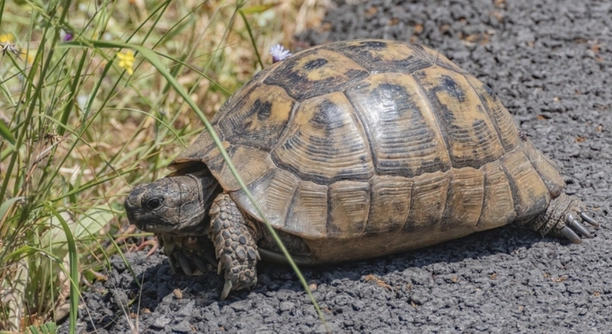
Russian tortoises are fascinating pets with unique behaviors. If you’ve noticed your tortoise trying to climb walls, it’s important to understand why this occurs. These small creatures often engage in behaviors that may seem unusual at first.
The primary reason for wall climbing in Russian tortoises is their natural instinct to explore. They are curious animals and often attempt to climb surfaces as a means of finding new spaces. This behavior is typical and can also indicate they feel confined.
Knowing the cause of this behavior will help you create a more comfortable environment for your tortoise. Understanding their needs can improve their well-being and reduce stress.
Natural Exploration Instinct
Russian tortoises, like many reptiles, have a natural curiosity that drives them to explore their surroundings. In the wild, these creatures roam vast areas in search of food, mates, and suitable habitats. When kept as pets, this instinct doesn’t fade. Your tortoise may try to climb walls as part of its exploration behavior, seeking out new areas, even if the environment is already familiar.
Sometimes, they climb to escape confined spaces. If their enclosure feels too small or lacks enough stimulation, they may resort to climbing walls as a way of venturing into what they perceive as larger or more varied areas. This behavior can also indicate they’re looking for a more comfortable environment or a better spot to rest.
Providing them with more space or enriching their surroundings can reduce the need for wall climbing. Adding items like rocks, plants, or other objects to climb and explore can help satisfy their need for exploration and reduce frustration.
Stress and Environment
A stressed tortoise will often act out by climbing walls, trying to find a way out of the situation. Environmental stressors like temperature, lighting, or improper humidity levels can cause discomfort.
Russian tortoises need a well-maintained environment to feel at ease. If they sense discomfort due to changes in temperature or humidity, their natural reaction can be to try and escape. Overcrowded enclosures or lack of hiding spots can make them feel vulnerable, prompting them to climb in search of a safer space. To reduce stress, make sure the enclosure mimics their natural habitat as closely as possible. Provide ample space and ensure their environment is calm and consistent, with controlled temperatures and access to both warm and cool areas.
Boredom and Lack of Stimulation
Russian tortoises need mental stimulation to stay healthy and active. When they don’t have enough things to engage with, they may resort to climbing walls as a way to entertain themselves. Without a variety of objects to interact with, this behavior can increase.
Providing climbing structures like rocks, branches, or safe toys can keep your tortoise busy. They enjoy having a space to explore, and a few objects to climb or hide behind can help satisfy that urge. Not only does this prevent climbing behavior, but it also promotes physical and mental health. Enrichment encourages tortoises to be more active and less stressed, improving their quality of life.
A lack of stimulation can also lead to other problems like overeating or being lethargic. If your tortoise seems to be climbing excessively or acting out, adding variety to their enclosure is one of the easiest ways to help. Keep the environment dynamic and engaging to create a more fulfilling space for them.
Health Concerns
While climbing is often a normal behavior, in some cases, it could be linked to health issues. If your tortoise is climbing walls constantly, it might be a sign of discomfort or physical distress. Check for signs of injury or illness, such as swollen limbs or difficulty moving.
Health problems, like parasites or respiratory infections, can make your tortoise feel unwell, and their behavior might change in response. They could try climbing walls in an attempt to escape discomfort or because they feel out of sorts. If you notice other symptoms alongside wall climbing, it’s important to consult a vet. Early detection and treatment of health issues can help prevent more serious problems down the line.
Ensure your tortoise has a balanced diet and a clean, safe environment to prevent potential health issues from arising. Regular checkups will keep your pet in the best condition, minimizing the chances of unwanted behaviors.
Temperature and Lighting
Russian tortoises rely on specific temperatures and lighting to stay comfortable. If the enclosure is too hot or cold, they may start climbing walls in search of a more suitable area. Improper lighting can also disrupt their natural behaviors.
Make sure the temperature range stays between 70-85°F during the day, with a basking spot around 90°F. A UVB light source is essential for their health, as it helps them metabolize calcium. Keeping their environment at the right temperature and providing consistent lighting helps prevent stress and climbing behavior caused by discomfort.
Space and Enclosure Size
Your tortoise’s enclosure should be spacious enough for it to move freely. A cramped space can make your tortoise feel trapped and lead to climbing attempts. A larger habitat allows for better exploration and reduces anxiety.
An ideal enclosure should be at least 4 feet long for one tortoise, with more space for each additional tortoise. Make sure the walls are tall enough to prevent climbing out, and add hiding spots and different textures to encourage natural behaviors like digging. The more room you provide, the less likely your tortoise will feel the need to climb.
Social Behavior
Russian tortoises are solitary creatures, but they can display social behaviors when they feel the need to. If your tortoise is kept with others, they may try to climb walls to find space away from the other animals.
If you notice your tortoise climbing, it could be signaling that it feels overwhelmed or needs some alone time. In these cases, separate them from other tortoises or pets to ensure they feel safe and secure. Understanding the signs of social discomfort can help reduce climbing and other stress-related behaviors.
FAQ
Why is my Russian tortoise climbing walls?
Wall climbing in Russian tortoises is often a result of their natural curiosity and exploration instincts. They may be trying to find new spaces or simply engaging in active behavior. It could also indicate that they feel their enclosure is too small or lacks sufficient enrichment.
How can I stop my Russian tortoise from climbing walls?
To stop your tortoise from climbing, provide a larger enclosure with enough space to explore. Add climbing structures, rocks, and hiding spots to keep them mentally and physically engaged. Ensuring their environment is comfortable, with the right temperature, lighting, and humidity, can also reduce this behavior.
Is wall climbing harmful to my Russian tortoise?
In most cases, wall climbing is harmless. However, it can become problematic if your tortoise attempts to climb out of the enclosure and risks falling or injuring itself. If the behavior becomes excessive or seems to be driven by stress, it may be worth checking their health or environmental conditions.
How do I know if my tortoise is stressed?
Signs of stress in tortoises include excessive wall climbing, lack of appetite, lethargy, or irregular behavior. Changes in their surroundings, sudden temperature fluctuations, or overcrowding can cause stress. Observe your tortoise’s behavior to identify potential sources of stress and adjust the environment accordingly.
Can wall climbing be a sign of health problems?
Yes, in rare cases, wall climbing can indicate that your tortoise is experiencing discomfort due to health issues, such as parasites or injuries. If the climbing is accompanied by other symptoms like swelling, lethargy, or poor eating habits, it’s important to consult a veterinarian for a health check-up.
What temperature should I maintain for my Russian tortoise?
Russian tortoises need a temperature range of 70-85°F during the day, with a basking area around 90°F. At night, the temperature can drop to around 65°F. Proper temperature regulation helps them stay active, healthy, and comfortable, reducing the likelihood of stress-related behaviors like climbing.
What kind of lighting does my Russian tortoise need?
Your tortoise needs a UVB light source to help it metabolize calcium and maintain healthy shell growth. The light should be on for 10-12 hours a day, mimicking natural daylight. Make sure the UVB light is within the proper distance from the tortoise to be effective.
Is my tortoise trying to escape when it climbs walls?
While it may seem like your tortoise is trying to escape, wall climbing is more likely a result of their curiosity or exploration instinct. If they feel confined or lack stimulation, they may try climbing as a way to find more space. Check their enclosure for proper size and enrichment.
How much space does my Russian tortoise need in its enclosure?
A Russian tortoise needs a spacious enclosure to feel comfortable and active. Ideally, the minimum size should be 4 feet long for one tortoise. Larger spaces are better, especially if you have more than one. Adding climbing objects and hiding spots will also help enrich their environment.
Can I keep multiple Russian tortoises together?
You can keep multiple Russian tortoises together, but it’s important to monitor their interactions. These tortoises are generally solitary and may become stressed or territorial. Ensure their enclosure is large enough to accommodate them without overcrowding, and provide hiding spots to allow them to escape from each other when needed.
How do I make my Russian tortoise’s habitat more interesting?
To make your tortoise’s habitat more engaging, add a variety of textures and objects for them to explore. Include rocks, branches, and plants they can climb on or hide behind. This will help satisfy their natural curiosity and reduce wall climbing. Changing up the environment periodically can also keep them stimulated.
Can my tortoise get too cold?
Yes, if the temperature drops below the recommended range, your tortoise can become too cold. Cold temperatures can cause sluggishness, digestive issues, and even respiratory problems. Make sure the enclosure is properly heated, and use a thermometer to monitor the temperature at all times.
Why is my tortoise climbing more in the evening?
Evening climbing could be due to the tortoise feeling more active at night, as they are naturally crepuscular, meaning they are most active during dawn and dusk. However, if climbing becomes excessive, it could also be a sign of discomfort, stress, or environmental issues. Keep an eye on their overall behavior.
Can wall climbing be a sign that my tortoise is bored?
Yes, boredom is a common cause of wall climbing. If there is not enough variety in their environment, tortoises may engage in climbing to pass the time. Providing enrichment through objects to climb, hide, or explore can help keep them entertained and reduce this behavior.
Do Russian tortoises need a humidity level to thrive?
Yes, Russian tortoises need a humidity level of around 40-60% to stay healthy. Too little humidity can cause dry skin and respiratory issues. You can maintain proper humidity by misting the enclosure or using a humidity gauge to monitor levels and adjust as needed.
What should I feed my Russian tortoise to keep it healthy?
Russian tortoises are herbivores and thrive on a diet of leafy greens, grasses, and some vegetables. Avoid feeding them high-oxalate vegetables like spinach and stick to a variety of safe, fibrous plants. A proper diet supports their overall health and shell development.
What can I do if my tortoise is constantly climbing the walls?
If your tortoise is constantly climbing the walls, first evaluate the size of its enclosure, temperature, lighting, and overall enrichment. Ensure they have enough space, proper heating, and objects to explore. If the behavior persists, check for signs of stress or illness and consult a vet if needed.
Can my tortoise climb out of its enclosure?
It’s possible for a Russian tortoise to climb out of its enclosure, especially if the walls aren’t tall enough. Ensure the enclosure has high, smooth walls that your tortoise can’t climb. Consider adding a secure lid or covering to prevent them from escaping if necessary.
Final Thoughts
Understanding why your Russian tortoise climbs walls can help create a more comfortable and engaging environment for them. Wall climbing is usually a sign of curiosity or boredom. It may also indicate that your tortoise needs more space or a change in their habitat. Paying attention to these behaviors can prevent stress and ensure they are happy and healthy. By observing their actions, you can make necessary adjustments to their enclosure, from providing enrichment to ensuring the right temperature and lighting.
If you notice your tortoise climbing excessively, consider how you can improve their environment. Providing a larger space, adding climbing structures, and enriching their habitat with objects they can explore or hide behind will keep them engaged. Ensure their enclosure mimics their natural habitat as closely as possible to reduce the urge to escape. Regularly changing their environment or adding new elements will also help prevent boredom. Don’t forget to check the temperature and humidity levels to make sure they are within the recommended ranges. A comfortable environment can make a huge difference in your tortoise’s behavior and overall well-being.
By taking these steps, you can make your tortoise’s home a better place and address the climbing behavior. It’s important to remain observant of any changes in their actions or health. If the climbing continues or you notice other signs of distress, it might be a good idea to consult with a vet. Ultimately, the goal is to ensure that your tortoise is happy, healthy, and able to live a fulfilling life in their home.

Hello,
If you enjoy the content that we create, please consider saying a "Thank You!" by leaving a tip.
Every little bit helps us continue crafting quality advice that supports the health, happiness, and well-being of pets around the world, for pets of all shapes, sizes, and species.
We really appreciate the kindness and support that you show us!