
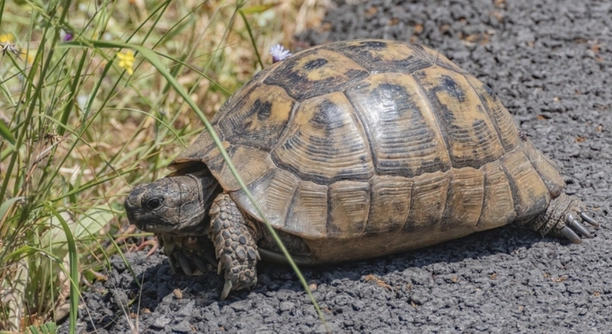
Many Russian tortoise owners notice their pets trying to climb the glass of their enclosures. This curious behavior can seem strange but often has a simple explanation. Understanding why this happens can help improve your tortoise’s environment.
The most common reason for this behavior is that your Russian tortoise is trying to explore its surroundings. Tortoises are naturally curious creatures, and the glass barrier prevents them from satisfying this instinct. They may also be seeking a way out.
In this article, we will explore the reasons behind your tortoise’s climbing attempts and offer some helpful tips for creating a more comfortable space.
Why Does My Russian Tortoise Keep Trying to Climb the Glass?
Russian tortoises are naturally curious, and glass enclosures don’t provide the same type of environment they experience in the wild. In the wild, they roam across open land and explore different textures and spaces. When kept in captivity, their instinct to explore doesn’t go away, and they often find themselves climbing the walls of their enclosures in an attempt to find something new or interesting. The glass acts as an invisible barrier, frustrating their natural desire for adventure and leading them to climb as a way to escape or satisfy their curiosity.
This behavior is also connected to their need for a larger territory. If your tortoise feels confined or bored, it may try to climb in an effort to find more space. It’s not uncommon for tortoises in smaller enclosures to feel this way, leading them to push against their glass walls constantly.
Your tortoise may also be trying to escape if it perceives something outside of its enclosure as interesting, such as another animal, a source of food, or even light. These external stimuli could encourage the climbing behavior.
Creating a Better Environment for Your Tortoise
If you want to reduce your tortoise’s climbing attempts, consider expanding its habitat. A larger enclosure will give your tortoise more space to roam, decreasing the desire to escape. Adding natural elements like rocks, hiding spots, and proper substrates like soil or grass will help mimic the tortoise’s natural environment, which can keep it more content and less likely to climb.
Another useful tip is to make sure the enclosure is stimulating for your tortoise. Include items that encourage digging or foraging, like hay, and avoid placing too many reflective surfaces inside. The more enriched its space, the less likely your tortoise will feel the need to climb the glass.
Glass Enclosures: The Limitations
Glass enclosures can sometimes restrict the natural behaviors of your tortoise. While they allow for a clear view, they don’t provide the best stimulation for these curious animals. Without varied textures or objects to interact with, tortoises may resort to climbing the glass, trying to explore their surroundings.
The smooth, slippery surface of glass can be frustrating for your tortoise, who is used to climbing over rocks and other surfaces in the wild. In captivity, without alternative surfaces to explore, the tortoise’s climbing behavior becomes more frequent. This is their way of seeking stimulation, exercise, or simply trying to escape.
For this reason, it’s important to consider using natural materials in your tortoise’s habitat. These materials provide not only better surfaces for climbing but also allow for more natural movement. Adding rocks or logs for climbing and burrowing can help satisfy the tortoise’s instinctive needs.
Offering More Stimulation
A lack of stimulation can contribute to the climbing behavior. Russian tortoises thrive in environments that encourage exploration and engagement. Without opportunities to explore, they may attempt to escape by climbing the walls of their enclosure. You can prevent this by including objects that provide interest and challenges.
Adding hides or tunnels will give your tortoise more places to explore and hide, providing mental and physical stimulation. Also, offering different textures, like soft soil or grass, allows them to dig and burrow, mimicking their natural habitat. This can reduce the desire to climb glass, as the tortoise becomes more focused on its environment.
Setting up a stimulating enclosure will keep your tortoise happy, active, and less likely to climb out of frustration. Regular changes in the setup or occasional introductions of new objects will keep the environment fresh and interesting.
Temperature and Humidity Factors
Temperature and humidity levels play a significant role in your tortoise’s behavior. If the environment is too warm or too cool, your tortoise might try to escape its enclosure in search of more comfortable conditions.
Russian tortoises thrive in environments with specific temperature ranges. If their enclosure is not warm enough, they may feel uncomfortable and begin climbing to find a more suitable spot. Likewise, if it’s too hot, they may try to escape the heat. Keeping the temperature stable will reduce climbing behavior and encourage a more relaxed tortoise.
Diet and Hunger
Hunger can also cause climbing. If your tortoise is not receiving enough food, it may show increased climbing behavior as it searches for food or tries to escape to find it.
Ensuring a balanced, varied diet with fresh vegetables, greens, and occasional fruits will keep your tortoise full and content. Avoid underfeeding, and monitor your tortoise’s eating habits closely. Regularly offering food will prevent any hunger-induced attempts to climb the glass.
FAQ
Why is my tortoise climbing the glass all the time?
Tortoises climb glass because they are naturally curious animals. The glass in their enclosure limits their ability to explore, leading them to try and climb to satisfy their instinctive need to roam. Additionally, they may be seeking a way out or trying to find food or light sources outside the enclosure. If your tortoise seems to climb constantly, it may feel confined or bored.
Is my tortoise trying to escape?
Yes, sometimes climbing is a sign that your tortoise is trying to escape. This can happen if they feel the enclosure is too small, uncomfortable, or lacks stimulation. If they see something outside that catches their attention, such as another pet or a potential food source, they may be trying to reach it. Expanding their living space and ensuring they have a comfortable, enriched environment can help reduce this behavior.
Can climbing the glass hurt my tortoise?
Climbing the glass itself is not likely to hurt your tortoise unless it falls from a height or repeatedly bumps into the glass. However, constant climbing can be stressful for them. This stress can lead to injury or exhaustion. It’s best to address the behavior by making the enclosure more suitable for their needs, reducing their need to climb.
What should I do if my tortoise climbs too much?
If your tortoise climbs excessively, start by making sure the environment is suitable for them. Provide more space, enrich their habitat with natural elements like rocks and logs, and ensure the temperature and humidity levels are appropriate. Also, check if they are being properly fed and hydrated. If the climbing persists, consult a vet to rule out health issues that could cause stress.
How can I stop my tortoise from climbing the glass?
To stop your tortoise from climbing, start by ensuring they have enough space to roam and explore. Enrich their habitat with items that encourage digging, climbing, and hiding. Adding a variety of textures and surfaces to climb, such as rocks and logs, can distract them from the glass. Make sure their temperature and humidity levels are correct, and provide a balanced diet to prevent hunger from causing climbing behavior.
Can I use a different type of enclosure to prevent climbing?
Yes, switching to a different type of enclosure can help reduce glass climbing. A plastic or wooden enclosure may provide a more stimulating environment for your tortoise, as it can be easier to add varied surfaces and features. Consider using an enclosure with more horizontal space and access to natural elements that allow your tortoise to feel more at home.
Does the size of my tortoise’s enclosure matter for climbing behavior?
Yes, the size of your tortoise’s enclosure plays a significant role in climbing behavior. If the space is too small, your tortoise will likely feel confined, which may lead to attempts to climb the walls. Larger enclosures with plenty of space to roam and explore can significantly reduce climbing. Aim for an enclosure that allows your tortoise to move around comfortably.
What types of surfaces can I add to my tortoise’s enclosure to prevent climbing?
To help prevent climbing, add a variety of natural surfaces like rocks, logs, and soil. These surfaces allow your tortoise to dig, climb, and explore in ways that feel more natural. Using a textured substrate like coconut coir or sand will also help keep them engaged. Avoid smooth, slippery surfaces like plastic or glass that don’t offer much stimulation.
Can boredom cause my tortoise to climb the glass?
Yes, boredom is a common reason for climbing. Tortoises are intelligent animals that need mental and physical stimulation to stay content. If their environment doesn’t offer enough to do, such as hiding spots or objects to climb, they will try to create their own entertainment by climbing the glass. Adding items like tunnels, toys, or objects that encourage foraging can help reduce boredom and climbing.
Is it normal for a tortoise to climb on things inside its enclosure?
Climbing on rocks, logs, or other surfaces inside the enclosure is completely normal. Tortoises enjoy exploring different textures and using objects for climbing or hiding. These activities help them engage their instincts and stay active. Just make sure any climbing surfaces are safe, sturdy, and don’t put your tortoise at risk of injury.
Final Thoughts
Tortoises are naturally curious creatures, and their instinct to explore is strong. When kept in an enclosure, they may try to climb the glass to satisfy this need. Understanding why your Russian tortoise is climbing can help you create a better environment for them. It’s often a sign that your tortoise is bored, feels confined, or is looking for something outside their enclosure. By improving their habitat and offering more space, variety, and stimulation, you can help reduce this behavior and make your tortoise feel more at ease.
Providing a larger enclosure with natural elements like rocks, logs, and hiding spots can help mimic their wild environment. Russian tortoises enjoy climbing and digging, so incorporating these elements can keep them active and engaged. Ensuring that their temperature, humidity, and diet are appropriate is also important in preventing unnecessary climbing. When all their needs are met, they will feel more comfortable and less likely to try to escape or climb the walls of their enclosure. Regular changes to their environment can also keep them interested and prevent boredom.
Ultimately, the key to reducing climbing behavior is to create a space that satisfies your tortoise’s natural instincts. A healthy, stimulating environment will not only help your tortoise feel content but also improve its overall well-being. Remember, it’s not about completely stopping the climbing, but about understanding what your tortoise needs to be comfortable. With the right care, your tortoise can live a happy, active life without constantly trying to climb the glass.

Hello,
If you enjoy the content that we create, please consider saying a "Thank You!" by leaving a tip.
Every little bit helps us continue crafting quality advice that supports the health, happiness, and well-being of pets around the world, for pets of all shapes, sizes, and species.
We really appreciate the kindness and support that you show us!