
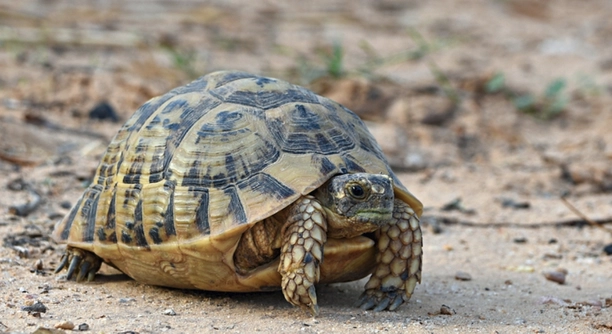
Russian tortoises are often curious creatures that may exhibit behaviors that seem strange to their owners. One of these behaviors is climbing. If you’ve noticed your tortoise trying to climb out of its enclosure, you’re not alone.
Russian tortoises may try to climb out due to their natural instincts to explore, seek out food, or find a mate. This behavior is common in tortoises with insufficient space, inadequate environmental enrichment, or improper enclosure setup.
Understanding why your tortoise is climbing can help you create a more suitable environment for its well-being. Keeping them content and safe from harm will ensure they thrive in captivity.
Why Your Russian Tortoise Tries to Climb Out
If you’ve noticed your Russian tortoise trying to escape its enclosure, it’s a fairly common behavior. Tortoises are naturally curious and driven to explore their surroundings. They may climb due to a desire to find more space, food, or stimulation. In the wild, they roam across large areas in search of resources. When they’re confined to a small tank or pen, their instincts push them to try and find an exit. If they can’t find it, they may begin climbing, even if it’s not possible to escape.
Even with the best care, a tortoise’s instinct to roam can be strong. Their climbing attempts are often a sign they are not fully content with their living space. This behavior can be a signal that the enclosure is too small or lacks environmental enrichment. Providing a larger, more varied habitat can go a long way in curbing this behavior. If the enclosure is too plain, try adding more hiding spots or objects that encourage exploration.
Creating a Comfortable Home for Your Tortoise
To prevent climbing, it’s essential to recreate an environment similar to their natural habitat. A large enclosure with plenty of hiding spots, rocks, and places to burrow will keep your tortoise engaged. Providing a variety of surfaces to climb on, like ramps and small rocks, helps satisfy their need to explore. Additionally, a secure lid or higher walls can prevent escapes.
Proper heating and lighting are also critical. Russian tortoises need specific temperature gradients to regulate their body temperature. Inadequate heat may cause stress, leading to unwanted behaviors, like climbing. Ensure there’s a basking area where your tortoise can get plenty of warmth, as well as a cooler area for them to retreat to. A proper habitat not only curbs climbing but promotes your tortoise’s overall health. Providing a habitat that mimics the wild helps prevent stress and improves their quality of life.
Space and Enclosure Size
If your tortoise’s enclosure is too small, it might be trying to climb out due to feeling cramped. Russian tortoises need ample space to roam and explore. A small tank can limit their movement, leading to frustration. A bigger enclosure encourages them to stay engaged and less likely to escape.
A 40-gallon tank is a minimum for a single adult Russian tortoise, but they can thrive in even larger spaces. The more room you provide, the better they will feel. Larger enclosures let them wander, forage, and exercise, which keeps their mind and body active. If possible, set up a safe outdoor enclosure for more space and fresh air. Just make sure it’s secure to prevent any escapes.
In addition to size, make sure the floor of the enclosure is varied. Russian tortoises naturally walk across different terrain, so try adding a mix of smooth, rough, and soft surfaces. This will mimic their natural habitat and help them feel more comfortable. A proper, spacious setup will not only curb climbing but will also improve their overall health.
Environmental Enrichment
If your tortoise doesn’t have enough enrichment, it may look for ways to escape out of boredom. Russian tortoises are curious and need stimulation. Without things to explore or climb on, they might begin trying to leave their space. Enrich their environment with items like rocks, logs, and plants to encourage natural behaviors.
Hide food in different areas to make them search for it, and create hiding spots where they can retreat when they want to feel safe. These additions will keep them busy and satisfied. Regularly change the layout to keep things interesting for them. Environmental enrichment plays a major role in reducing behaviors like climbing, as it provides the mental and physical challenges they need to thrive.
Temperature and Lighting
Temperature plays a big role in your tortoise’s behavior. If the environment is too cold, your tortoise may try to escape in search of warmth. Russian tortoises need a temperature gradient, with a basking area around 90°F and a cooler area around 70°F. Without proper heat, climbing can become a stress response.
Inadequate lighting can also cause stress, leading to climbing behavior. Tortoises need UVB lighting to help them process calcium and maintain strong bones. If they don’t get enough exposure to UVB, it can lead to health issues and restlessness. Make sure to use the right bulbs and replace them as needed.
Feeding and Diet
Sometimes, climbing may happen if your tortoise is hungry or lacks proper nutrition. A balanced diet with vegetables, grasses, and occasional fruit will keep your tortoise healthy and reduce stress. Make sure to feed them fresh food regularly and avoid overfeeding. Tortoises that aren’t getting enough nutrients might try to escape in search of food.
A varied diet that mimics their natural forage helps curb climbing attempts. When tortoises aren’t satisfied with their food or eating habits, it can impact their behavior. Ensure you’re offering food that aligns with their needs and nutritional requirements.
Health Concerns
Illness or discomfort can cause a tortoise to act out. If your tortoise is feeling unwell or stressed, it may try to climb out as a way of dealing with the discomfort. Regular checkups with a vet will help detect potential health issues early.
Tortoises that experience pain, such as from shell problems, may exhibit strange behaviors like climbing. Any signs of lethargy, loss of appetite, or shell deformities should be addressed promptly. Keeping your tortoise’s health in check is key to preventing abnormal climbing behavior.
FAQ
Why is my Russian tortoise climbing the walls of its enclosure?
Climbing can be a sign that your Russian tortoise feels cramped or bored. They naturally roam long distances in the wild and may try to escape if their enclosure feels too small. Additionally, climbing could indicate that the enclosure lacks enrichment. If the space is inadequate or doesn’t offer enough places to explore, they may try to climb in search of more.
Can I stop my tortoise from climbing?
Yes, you can reduce or stop climbing behavior by improving the enclosure’s size and environment. A larger tank with varied surfaces, hiding spots, and things to climb on will keep your tortoise busy. Additionally, ensuring the proper temperature, lighting, and humidity will help your tortoise feel comfortable and less inclined to escape.
Should I worry if my tortoise is trying to escape?
It’s not always a cause for alarm, but consistent climbing can be a sign of discomfort. Your tortoise might be seeking more space, proper heat, or food. If climbing becomes excessive, it’s worth assessing the habitat, checking for any health issues, and making adjustments as needed.
What size enclosure do Russian tortoises need?
Russian tortoises need at least a 40-gallon tank, though they’ll thrive in larger enclosures. A bigger space gives them more room to roam, explore, and find food. If possible, set up an outdoor enclosure for more space and a natural environment, ensuring it’s secure to prevent escapes.
How do I make my tortoise’s enclosure more interesting?
To make the enclosure more engaging, add rocks, logs, plants, and climbing structures. Tortoises need objects to climb, hide under, and explore. You can also hide food around the enclosure to encourage natural foraging behaviors. Changing the layout occasionally can keep things fresh and mentally stimulating.
Does my tortoise need UVB lighting?
Yes, Russian tortoises require UVB lighting to help them process calcium and maintain strong bones. Without proper UVB exposure, they could develop metabolic bone disease, which can lead to health issues. Make sure to provide a UVB light source that’s designed for reptiles, and replace it regularly as it loses effectiveness over time.
How can I keep my tortoise healthy to prevent climbing?
A healthy tortoise is less likely to climb excessively. To maintain their health, provide a balanced diet rich in vegetables, grasses, and occasional fruits. Regularly monitor their habitat’s temperature and humidity levels. If your tortoise is still climbing despite proper care, consider a vet visit to rule out any health issues.
Is it safe to let my tortoise roam outside?
Letting your tortoise roam outside can be beneficial, but it requires precautions. You should only allow them outside in a safe, secure area where they cannot escape. Make sure the environment is free from predators, and avoid leaving them unattended for long periods. Outdoor exposure should be done in moderation, as sudden temperature changes or too much sun can harm them.
How often should I feed my tortoise?
Russian tortoises should be fed daily or every other day, depending on their age and size. A balanced diet should include leafy greens, grasses, and some fruits. Overfeeding can lead to obesity, so be careful with the amounts you provide. Always remove uneaten food to prevent spoilage and bacteria growth.
Can I use a plastic container for my tortoise’s enclosure?
Plastic containers can work as an enclosure, but they have limitations. They may not provide enough ventilation or be the right size for adult tortoises. It’s essential to ensure there’s enough airflow and space. Also, plastic can be too smooth, making it difficult for your tortoise to climb or dig, which is important for their natural behavior.
How do I know if my tortoise is sick?
Signs of illness in Russian tortoises include lethargy, loss of appetite, abnormal shell appearance, or changes in behavior like excessive climbing. If your tortoise appears to be in discomfort, visit a reptile vet. Regular checkups will help catch potential health problems before they escalate.
Why is my tortoise not eating?
Loss of appetite in tortoises can stem from various causes, including incorrect temperature, poor lighting, or stress. If your tortoise isn’t eating, check the environment to ensure it meets their needs. Illness, dehydration, or dietary changes could also be factors. If it persists, a vet visit is recommended.
Can I let my tortoise swim?
Russian tortoises are land-dwelling creatures and are not built for swimming. While they may enjoy soaking in shallow water to hydrate, it’s important not to force them into deep water. Prolonged exposure to water could stress them out and cause respiratory issues, so it’s best to offer shallow, warm water for hydration.
Should I keep my tortoise alone or with others?
Russian tortoises are solitary animals and generally do best alone. Keeping multiple tortoises together can lead to stress, territorial disputes, or fighting. It’s safer and healthier for your tortoise to live in an enclosure by itself, with plenty of space and enrichment to enjoy.
Can I use sand as bedding for my tortoise?
While sand is sometimes used as bedding, it can cause problems if your tortoise accidentally ingests it while foraging. Ingesting large amounts of sand can lead to impaction, which is dangerous. It’s better to use substrates like grass hay, coconut coir, or reptile-safe bedding, which are safer and more comfortable for your tortoise.
Final Thoughts
Understanding why your Russian tortoise tries to climb out of its enclosure is essential for providing the best care. This behavior is often a sign that something in its environment isn’t quite right. Tortoises are naturally curious, and they need space to move around, explore, and engage in natural behaviors. If their habitat feels too small or lacks enrichment, they may start looking for a way to escape. The key is to create a space that supports their physical and mental needs.
Ensuring that your tortoise’s enclosure is spacious, secure, and full of opportunities for exploration can help reduce climbing behavior. A large enclosure with varied surfaces, rocks, and hiding spots will encourage your tortoise to stay inside and feel more comfortable. Additionally, providing the right temperature, lighting, and a healthy diet will improve its overall well-being. When your tortoise is comfortable and content, climbing attempts are much less likely. Keep an eye on their behavior and make adjustments as needed to keep them happy and safe.
Ultimately, addressing the root causes of climbing behavior in Russian tortoises will lead to a happier, healthier pet. Making sure they have a proper habitat, adequate nutrition, and regular health checks is the best way to prevent stress and promote a fulfilling life. If you ever notice climbing becoming excessive or accompanied by other worrying signs, it’s always a good idea to consult with a veterinarian. With the right care, your Russian tortoise can thrive in its environment and continue to enjoy a long, healthy life.

Hello,
If you enjoy the content that we create, please consider saying a "Thank You!" by leaving a tip.
Every little bit helps us continue crafting quality advice that supports the health, happiness, and well-being of pets around the world, for pets of all shapes, sizes, and species.
We really appreciate the kindness and support that you show us!