
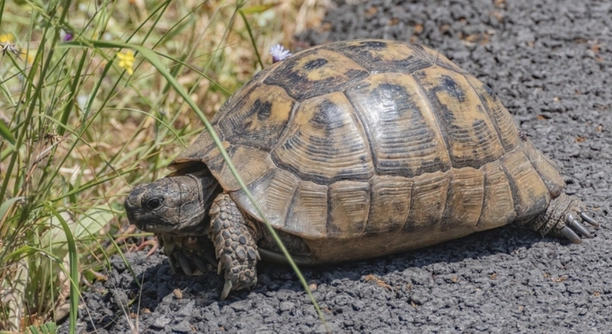
Your Russian tortoise might shake its head for various reasons, ranging from natural behavior to potential health concerns. Understanding why this happens can help you ensure your tortoise stays comfortable and healthy. Head shaking is often a signal worth paying attention to.
Head shaking in Russian tortoises can be caused by several factors such as respiratory infections, irritation, or even an attempt to adjust their shells. In some cases, it may also be related to an underlying issue like mites or other discomforts.
Addressing the root cause of your tortoise’s behavior will give you the best chance to improve its well-being. Keep reading to learn how you can provide better care for your pet.
Common Causes of Head Shaking in Russian Tortoises
When a Russian tortoise shakes its head, it can indicate several different things. One of the most common reasons is a respiratory infection. These infections often result in nasal discharge and difficulty breathing, which can cause your tortoise to shake its head in an effort to clear the airways. Another possibility is irritation from foreign particles or debris in the eyes or nasal passages, leading to discomfort. If your tortoise is shaking its head frequently or excessively, it’s important to investigate the situation further. Ensuring a clean, dust-free habitat can help prevent unnecessary irritation, as these tortoises are sensitive to their environment.
Sometimes head shaking can be an attempt to adjust their shells. Russian tortoises are known for their hard, protective shells, and they may engage in this behavior if they feel their shell is uncomfortable or out of alignment. This kind of head shaking can often be seen when they are moving around or after they have been in a resting position for a while.
Proper care and attention can help reduce the chances of your tortoise developing a respiratory infection. If the shaking persists, consider checking for additional issues that might be affecting your tortoise.
Health Concerns You Shouldn’t Ignore
A shaking head may signal something more serious than just a simple irritation. If the symptoms are accompanied by a loss of appetite, wheezing, or a lack of movement, it’s time to seek veterinary care. Respiratory infections in tortoises are relatively common and can worsen quickly if left untreated. Taking your tortoise to the vet ensures that any infections or health problems are caught early.
Respiratory issues in tortoises can be a result of improper humidity levels in their habitat. These reptiles thrive in warm, dry conditions, and when their environment is too humid, it can lead to respiratory distress. Proper heating and ventilation are key factors in maintaining a healthy habitat for your tortoise. If the environment is consistently moist, bacteria and mold can thrive, exacerbating health issues. Ensuring your tortoise’s enclosure is well-maintained can go a long way in preventing respiratory infections.
If head shaking continues despite improving habitat conditions, a vet will be able to conduct a thorough examination and recommend treatment for your tortoise. Whether it’s a simple infection or something more serious, prompt care is crucial.
Checking for Irritation and Mites
Sometimes, head shaking is not related to an illness but to external irritation, such as mites. Tortoises can pick up mites from their surroundings, especially if their enclosures are shared with other pets. These tiny parasites can cause itching, irritation, and discomfort, making your tortoise shake its head frequently.
Regularly inspecting your tortoise for signs of mites, like tiny black or white spots on the skin, is important. If mites are present, they can be treated with medications prescribed by a veterinarian.
How to Prevent Respiratory Infections
A well-maintained enclosure is key to preventing respiratory infections in your tortoise. Ensure the habitat has proper ventilation and temperature control, as these factors play a large role in respiratory health. Keep the area dry and clean, as moisture can encourage bacterial growth.
Regular cleaning of your tortoise’s living area helps remove any build-up of bacteria or fungi. Removing uneaten food, cleaning water bowls, and replacing substrate frequently can significantly reduce the chances of your tortoise developing a respiratory infection. Additionally, avoid placing your tortoise’s habitat in drafts or areas with fluctuating temperatures, as sudden changes can stress them and lead to health issues.
Providing your tortoise with access to clean water is essential for maintaining their overall health. Hydration plays a vital role in respiratory function, helping to clear their airways and keep their environment healthy. If you’re unsure about any aspect of care, consulting with a vet can help you maintain a safe and healthy habitat for your tortoise.
The Role of Shell Alignment
Head shaking in tortoises can also stem from shell misalignment, which may cause discomfort. Tortoises naturally adjust their shells while moving, and if their shell feels uncomfortable, they might shake their head to relieve pressure. It’s important to observe if the head shaking coincides with any other signs of discomfort, such as abnormal movements or difficulty in locomotion.
Tortoises often adjust their shells in response to pressure or when they feel constrained. If the shaking is accompanied by signs like difficulty turning or an inability to right itself, this may be a sign of an underlying issue with the shell. In such cases, a vet visit is necessary to rule out conditions like shell deformities or shell rot. Keeping your tortoise in an appropriate-sized enclosure with plenty of room to move around can also help reduce shell misalignment and discomfort.
Maintaining a proper diet that supports shell health is also crucial. Ensure your tortoise receives enough calcium and UVB light, as these factors contribute to the overall strength and health of the shell. Regular checkups with a reptile vet can help detect any issues with shell alignment early, preventing discomfort from turning into a serious problem.
Checking for External Irritants
If your tortoise is shaking its head, it could be due to something as simple as external irritants like dust or dirt. These particles can irritate the eyes, nose, or mouth, prompting your tortoise to shake its head in response.
Ensure the living space is clean and free of excessive dust. Use non-toxic cleaners to maintain a safe environment, and be mindful of the bedding materials used, as certain types can release irritants into the air.
Addressing Skin Issues
Head shaking can sometimes be related to skin irritation, such as dryness or infection. Inspect your tortoise’s skin for any visible signs of redness, scaling, or lesions. These issues can cause discomfort and result in shaking behavior. If you notice anything unusual, it’s important to seek veterinary advice to prevent further complications.
Proper hydration and a balanced diet are essential to maintaining healthy skin and preventing irritation. Make sure your tortoise’s enclosure is not too dry, as dehydration can exacerbate skin issues. Regular bathing in lukewarm water can also help keep your tortoise’s skin moisturized and comfortable.
FAQ
Why is my Russian tortoise shaking its head?
Head shaking in Russian tortoises is often a sign of discomfort. It can be caused by a variety of factors, including respiratory infections, shell misalignment, irritation from foreign particles, or even external parasites like mites. If the head shaking persists, it’s important to investigate the situation further. Check the enclosure for environmental factors such as temperature, humidity, and cleanliness. Also, observe for other symptoms like lethargy, loss of appetite, or abnormal behavior, which could indicate a more serious health issue.
How can I tell if my tortoise has a respiratory infection?
Respiratory infections in tortoises often present with symptoms such as nasal discharge, wheezing, or labored breathing. You might also notice head shaking or a lack of appetite. If your tortoise is showing any of these signs, it’s crucial to take it to a vet for a proper diagnosis. A vet can administer treatments such as antibiotics or provide guidance on managing the infection. Keep the enclosure clean, dry, and at the correct temperature to prevent further complications.
Can my tortoise’s head shaking be caused by irritation or debris?
Yes, head shaking can be a result of irritation caused by dust, dirt, or even mites. These particles can get into the tortoise’s eyes or nasal passages, leading to discomfort. To prevent this, ensure the enclosure is regularly cleaned and that the substrate used does not produce excessive dust. If the shaking is frequent, inspect your tortoise’s skin for signs of mites or other parasites. Using safe, non-toxic cleaning agents for the habitat and avoiding overly dusty bedding materials can also help reduce irritation.
Is my tortoise’s shell causing the head shaking?
Head shaking can also occur if the tortoise feels discomfort or pressure from its shell. This might happen if the shell is misaligned, too tight, or if there’s a deformity. Tortoises may also shake their heads to adjust their position or relieve pressure when moving. If you suspect this is the case, check the tortoise’s shell for any abnormalities, such as cracks, bulging, or signs of shell rot. If you notice any issues, consult with a vet, as untreated shell problems can lead to serious health complications.
Could mites be causing my tortoise to shake its head?
Mites are a common external parasite that can cause your tortoise to shake its head, as the irritation from these tiny creatures can be uncomfortable. Mites often cause itching or discomfort, which may lead to head shaking or rubbing against objects in the enclosure. To check for mites, examine your tortoise closely for tiny black or white spots, often found on the skin or around the eyes. If mites are present, consult your vet for treatment options, which may include topical medication to eliminate the pests.
How do I prevent respiratory infections in my tortoise?
Preventing respiratory infections involves maintaining a clean, dry, and properly heated environment for your tortoise. Ensure the enclosure is well-ventilated and free from drafts, which can contribute to respiratory distress. Regularly clean the habitat, remove uneaten food, and replace the substrate to reduce the risk of bacterial or fungal growth. You should also provide clean, fresh water daily and avoid overcrowding in the enclosure, as these factors can help reduce the risk of infection.
Can my tortoise’s head shaking indicate something more serious?
In some cases, persistent head shaking can signal a more serious issue, such as a neurological disorder, shell injury, or advanced infection. If your tortoise is shaking its head frequently and showing other symptoms like loss of appetite, weakness, or lethargy, it’s important to consult a vet. While mild irritation or infection might resolve on its own with proper care, more severe conditions require professional treatment. Prompt attention can help prevent complications and improve your tortoise’s overall health.
How do I check for skin problems in my tortoise?
Inspecting your tortoise’s skin for any abnormalities can help you identify problems that might be causing head shaking. Look for signs of redness, irritation, scaling, or lesions, which can indicate infections or dryness. If you notice any of these signs, it’s important to take your tortoise to the vet for an evaluation. You can also help maintain healthy skin by providing a balanced diet, ensuring proper hydration, and bathing your tortoise in warm water to keep the skin moisturized.
What should I do if my tortoise stops eating or becomes lethargic?
If your tortoise has stopped eating or is showing signs of lethargy, it’s a cause for concern. This could be due to illness, stress, or environmental issues. Make sure the temperature, humidity, and lighting in the enclosure are appropriate for your tortoise’s species. If the tortoise’s behavior doesn’t improve, it’s important to take it to a vet. A loss of appetite or unusual behavior may signal an underlying health problem that requires immediate attention to ensure the tortoise’s well-being.
How can I keep my tortoise’s shell healthy?
A healthy shell is crucial for your tortoise’s overall well-being. To ensure proper shell health, provide a diet rich in calcium and vitamin D3, both of which are essential for shell growth and maintenance. Expose your tortoise to UVB light to help with calcium absorption. Regularly inspect the shell for any cracks, soft spots, or signs of rot, as these issues can lead to infection or deformities. Additionally, ensure that your tortoise has a clean and spacious environment to allow for proper movement and exercise, which supports shell strength.
Final Thoughts
Head shaking in your Russian tortoise can be caused by a variety of factors, ranging from simple irritants like dust and dirt to more serious health concerns such as respiratory infections or skin issues. It is important to observe your tortoise carefully and consider the overall environment. A clean, well-maintained enclosure with proper humidity and temperature is crucial for preventing many of these issues. By ensuring your tortoise has a comfortable living space, you can avoid unnecessary stress and discomfort that may lead to head shaking.
If the head shaking persists, take the time to check for signs of infection, skin irritation, or mites, and make sure your tortoise isn’t suffering from dehydration or other health issues. These problems may not always be obvious, so regular checks are essential. Seeking veterinary care when necessary is important to address any underlying problems early on, ensuring your tortoise stays healthy. While head shaking could be a sign of minor irritation, it can also indicate more serious concerns that need professional attention. Ignoring symptoms or delaying treatment can lead to further complications.
In conclusion, while head shaking is often harmless, it’s always wise to keep an eye on your tortoise’s behavior. Understanding the causes and taking proactive steps to create a healthy and clean environment can go a long way in preventing and addressing any issues. Regular veterinary check-ups, maintaining a balanced diet, and offering proper care will help ensure your Russian tortoise lives a long, healthy life. Stay vigilant and proactive in your care, and you can avoid most common health issues that lead to discomfort.

Hello,
If you enjoy the content that we create, please consider saying a "Thank You!" by leaving a tip.
Every little bit helps us continue crafting quality advice that supports the health, happiness, and well-being of pets around the world, for pets of all shapes, sizes, and species.
We really appreciate the kindness and support that you show us!