
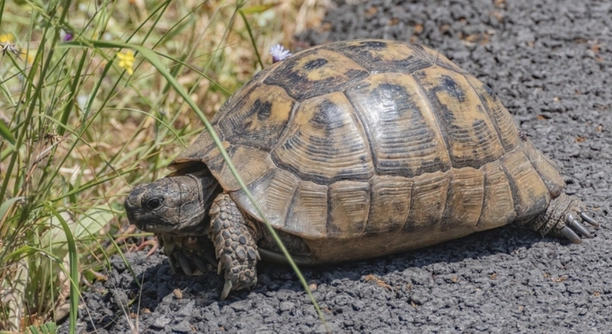
Russian tortoises are fascinating creatures, but they sometimes engage in unusual behaviors, like scraping walls. Understanding the reason behind this behavior can help ensure they are comfortable and healthy in their environment.
Russian tortoises may scrape the walls due to a variety of factors, including stress, a lack of space, or an attempt to escape their enclosure. Additionally, improper environmental conditions or health issues could contribute to this behavior.
Addressing these causes will lead to a healthier and happier tortoise. Recognizing the root of the issue ensures better care and a more enjoyable experience for both you and your pet.
Why Does Your Russian Tortoise Scrape the Walls?
Scraping the walls of their enclosure is a behavior often linked to stress or frustration in Russian tortoises. If the habitat is too small or overcrowded, your tortoise might be trying to escape. They may feel trapped and may engage in repetitive behaviors like scraping the walls as a form of expressing discomfort. Another reason could be an improper temperature or humidity level, which causes the tortoise to seek a more favorable environment. Providing a spacious and well-maintained enclosure can help alleviate such stress and prevent this behavior.
A common mistake many owners make is assuming that a smaller space won’t affect their tortoise. However, adequate room to roam is essential for their well-being. It’s crucial to monitor the conditions within the enclosure, ensuring that the temperature, humidity, and lighting meet the needs of your tortoise. Without these adjustments, your tortoise will continue to scrape the walls in frustration.
In addition to a proper habitat, your tortoise might scrape walls due to health problems like parasites or infections. It’s essential to keep a close eye on their behavior and consult a veterinarian if the behavior persists. Addressing the issue early will prevent further complications, ensuring your tortoise remains happy and healthy.
How to Adjust the Environment
The environment plays a large role in your tortoise’s well-being. Consider whether your enclosure provides enough space to move around and explore.
Proper lighting is equally important. If your tortoise doesn’t have access to the right UVB light, it may exhibit signs of discomfort, like scraping walls. Ensure the enclosure is large enough for your tortoise to explore freely, and check that the lighting and temperature are correct for its species. Providing these basic needs can help keep your tortoise calm and content.
Stress and Anxiety in Russian Tortoises
Stress is one of the main reasons why your Russian tortoise may scrape the walls of its enclosure. Changes in its surroundings or handling can make the tortoise feel unsafe or anxious. This behavior may become worse if it feels threatened by noise, sudden movements, or unfamiliar people nearby. Keeping a quiet, calm environment will help reduce the stress your tortoise experiences.
Additionally, it’s important to maintain a consistent daily routine for feeding and handling. Tortoises thrive on stability. If changes occur, such as moving their enclosure or introducing new pets, the sudden shift can trigger anxiety. Providing a familiar, peaceful setting can go a long way in reducing unnecessary stress and preventing wall scraping.
By ensuring your tortoise feels secure in its environment, you’ll notice a decrease in unwanted behaviors. A stable routine and calm surroundings will make a significant difference in how your tortoise reacts. Avoiding sudden changes can reduce the frequency of these stress-related actions.
Health Concerns and Wall Scraping
Sometimes, scraping the walls may be linked to underlying health issues. Infections, parasites, or malnutrition can cause discomfort, leading your tortoise to engage in repetitive behaviors. If the scraping seems excessive or paired with other signs of illness, it’s important to check for any health problems.
When a tortoise is in pain or discomfort, it may try to escape or find a more comfortable space. Checking for signs like lethargy, lack of appetite, or abnormal stool can indicate health problems. Early detection of health issues can prevent serious complications. Consulting with a veterinarian is essential if you suspect a health-related cause for the behavior.
Proper nutrition and regular veterinary check-ups are key to maintaining a healthy tortoise. If you notice any irregularities, such as continuous wall scraping, it’s best to seek professional advice to ensure your pet’s well-being. Keeping your tortoise healthy will reduce the likelihood of health-related behavioral problems.
Lack of Space and Scraping
A cramped living space can lead to constant scraping. Russian tortoises need enough room to move, explore, and dig. Without proper space, they may become frustrated and try to escape. It’s essential to provide an enclosure large enough for them to feel comfortable and secure.
If the enclosure is too small, the tortoise may engage in repetitive behaviors like scraping in an attempt to find a larger area. Providing adequate space reduces frustration and encourages natural behaviors. The more space you provide, the less likely your tortoise will resort to wall scraping.
Improper Temperature or Humidity
Russian tortoises require a specific temperature and humidity range to stay healthy. If the conditions in their enclosure are too hot or too cold, they may try to escape or scrape the walls. A proper heat source and humidity control can make a significant difference in behavior.
A reliable heat lamp or heating pad helps regulate the temperature, while a humidity gauge ensures the right moisture levels. Both are necessary for the tortoise’s comfort and health. When the environment is properly adjusted, the likelihood of wall scraping decreases as the tortoise becomes more at ease.
FAQ
Why does my Russian tortoise scrape the walls of its enclosure?
Wall scraping is usually a sign of frustration or discomfort. Russian tortoises may scrape when they feel confined or stressed due to an inadequate living space, improper temperature, or insufficient environmental conditions. They may also be trying to escape or find a more suitable area to explore.
How can I reduce the wall scraping behavior in my Russian tortoise?
To reduce wall scraping, ensure the enclosure is large enough for your tortoise to move around freely. Provide proper lighting, temperature, and humidity levels. Additionally, keep the environment quiet and free from sudden disturbances. Regularly monitor the enclosure conditions to maintain a comfortable space.
Can my Russian tortoise be stressed by handling or changes in its environment?
Yes, Russian tortoises can become stressed by handling, loud noises, or changes in their environment. Sudden shifts, such as moving their enclosure or introducing new pets, can trigger anxiety and lead to behaviors like wall scraping. Consistent routines and a stable environment can help reduce stress.
What health issues might cause my Russian tortoise to scrape the walls?
Health problems such as infections, parasites, or malnutrition can cause discomfort, leading to behaviors like scraping. If your tortoise shows other signs like lethargy, loss of appetite, or abnormal stool, it may indicate a health issue. A vet visit is recommended to rule out any underlying conditions.
Is my Russian tortoise scraping due to boredom?
Boredom can also be a factor in wall scraping. Russian tortoises are naturally curious animals and need stimulation. If their environment lacks variety or opportunities for exploration, they may begin to exhibit repetitive behaviors like scraping. Providing hiding spots, plants, and different textures in their enclosure can help alleviate boredom.
What is the best way to ensure my Russian tortoise is comfortable in its habitat?
A comfortable habitat for your Russian tortoise includes proper temperature, humidity, and a spacious enclosure. The enclosure should provide enough room for the tortoise to roam, dig, and hide. Provide appropriate lighting and ensure the temperature is consistent, with a basking spot of around 90°F and a cooler area of around 70°F.
How often should I check the temperature and humidity in my tortoise’s enclosure?
It’s essential to check the temperature and humidity in your tortoise’s enclosure regularly, at least once a day. Use a reliable thermometer and hygrometer to ensure the conditions remain within the ideal range for your tortoise. Keeping the environment consistent helps prevent stress and health issues.
What type of substrate should I use for my Russian tortoise’s enclosure?
A substrate that allows your tortoise to dig and burrow is ideal. Options like coconut coir, soil, and sand can work well. Avoid using substrates like cedar or pine, as their oils can be harmful to tortoises. The substrate should be kept dry to prevent fungal or bacterial growth.
Should I provide my Russian tortoise with a water dish?
Yes, Russian tortoises need access to fresh water at all times. It’s essential to provide a shallow dish for drinking and soaking. The water should be changed daily to keep it clean and free of bacteria. Be sure the dish is shallow enough for your tortoise to enter safely.
How do I know if my Russian tortoise is healthy?
A healthy Russian tortoise should have clear, bright eyes, a smooth and hard shell, and active behavior. They should be eating well and moving around without signs of lethargy or discomfort. If your tortoise shows signs of illness such as loss of appetite, abnormal stool, or changes in behavior, consult a vet immediately.
What should I do if my Russian tortoise continues to scrape the walls despite making environmental changes?
If your tortoise continues scraping after you’ve addressed environmental factors like temperature, space, and enrichment, it’s important to consult with a veterinarian. Continuous scraping may indicate underlying health issues or chronic stress that needs professional assessment and care.
Final Thoughts
Understanding why your Russian tortoise is scraping the walls of its enclosure is key to ensuring its well-being. The behavior often points to factors such as stress, a lack of space, or an improper living environment. In many cases, making simple adjustments can help reduce this behavior. Providing an adequately sized enclosure, ensuring proper temperature and humidity levels, and maintaining a quiet, stable environment will go a long way in making your tortoise feel more comfortable. Consistency is important in all these areas to prevent the tortoise from becoming anxious or frustrated.
Health issues can also be a factor in wall scraping. If environmental adjustments don’t seem to resolve the behavior, it’s crucial to check for any underlying health problems. Infections, parasites, or malnutrition can cause discomfort, leading to abnormal behavior. Always monitor your tortoise for signs of illness, such as loss of appetite or lethargy, and seek veterinary care if necessary. A proper diet and regular health checks can prevent many issues and ensure your tortoise remains in good condition.
Ultimately, addressing the root cause of your tortoise’s wall scraping behavior will improve its quality of life. Whether it’s creating a better living environment, offering more enrichment, or ensuring its health is on track, small changes can make a big difference. A well-cared-for tortoise is a happy one, and taking the time to meet its needs will help foster a more relaxed and content pet.

Hello,
If you enjoy the content that we create, please consider saying a "Thank You!" by leaving a tip.
Every little bit helps us continue crafting quality advice that supports the health, happiness, and well-being of pets around the world, for pets of all shapes, sizes, and species.
We really appreciate the kindness and support that you show us!