
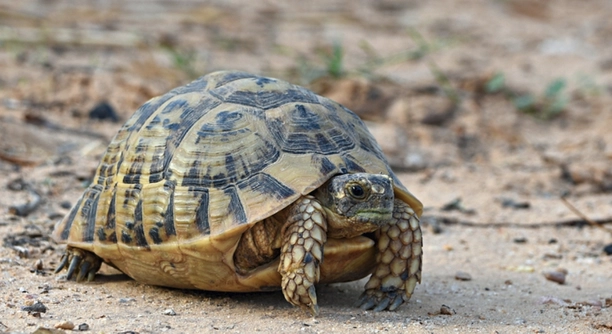
Russian tortoises are fascinating pets, but you might notice your little friend rubbing its face often. Understanding this behavior is key to ensuring your tortoise stays healthy and comfortable in its environment.
Rubbing their face is typically a sign of your Russian tortoise trying to remove irritants or excess moisture. It may also be linked to exploring their surroundings, or even to a health issue, such as an infection or irritation.
There are a variety of reasons for this behavior, some completely normal while others might need attention. Identifying the cause will help you care for your tortoise better.
Possible Reasons Your Russian Tortoise Rubs Its Face
Face rubbing in Russian tortoises can happen for several reasons, both normal and concerning. If your tortoise is rubbing its face occasionally, it may simply be cleaning itself or adjusting its environment. This is a common behavior among many tortoises as they try to rid themselves of dirt, debris, or even extra moisture after drinking.
However, frequent or intense face rubbing might indicate more serious concerns. It could be a sign of something irritating the skin, such as a scratch, infection, or dry skin. Pay attention to the condition of your tortoise’s shell and eyes, as these can provide clues to the cause of the rubbing.
If the rubbing becomes persistent or aggressive, it’s important to inspect the area closely for any signs of infection or injury. A healthy tortoise will show little to no discomfort when rubbing its face. Keep a close eye on its behavior and health to identify whether the issue needs medical attention.
Environmental Factors to Consider
Sometimes, face rubbing happens because of environmental discomfort.
Your tortoise’s enclosure could be too dry, causing the skin to become irritated. Lack of humidity or improper substrate can make your tortoise uncomfortable and lead to rubbing its face. Tortoises need a balanced environment with both dry and moist areas for proper skin health.
A consistent temperature range and enough moisture are key to preventing dry skin. If you notice your tortoise rubbing its face frequently, try adjusting the humidity levels in its habitat. A water dish, misting, or humidifier can help. Also, check if the substrate is suitable and clean to avoid any irritants that could cause discomfort.
Regularly monitor your tortoise’s environment to ensure it stays healthy. If the issue persists, consulting a veterinarian may be necessary.
Potential Health Issues
Face rubbing could signal underlying health issues in your Russian tortoise, such as respiratory infections, skin irritation, or eye problems. If the rubbing is more than occasional, it’s important to consider whether an illness could be the cause.
If your tortoise is rubbing its face excessively and showing signs like watery eyes, nasal discharge, or lethargy, these may be signs of a respiratory infection. A weakened immune system could make your tortoise more susceptible to infections, so monitoring its behavior closely is crucial.
Additionally, skin irritation from a poor diet, parasites, or allergens can cause your tortoise to rub its face. Make sure it is eating a well-balanced diet and regularly check for any unusual bumps, rashes, or patches on its skin. If the symptoms persist or worsen, a vet visit is recommended for proper diagnosis and treatment.
Dehydration and Overheating
Dehydration or overheating can lead to face rubbing as your tortoise tries to cool off or hydrate.
Ensure your tortoise always has access to fresh water and a cool, shaded area in its habitat. Tortoises rely on a balanced temperature to maintain their health. If the environment becomes too hot, your tortoise might rub its face to relieve discomfort. On the other hand, if it’s too cold, it may struggle to regulate body temperature, causing it to act out.
Providing a proper temperature gradient, where your tortoise can move between warmer and cooler areas, helps it stay comfortable. Adding a cool mist of water to its enclosure or providing a damp area can help prevent dehydration, which could lead to rubbing its face.
Keeping track of its hydration and temperature levels will allow you to address these problems early, preventing potential health risks. Adjusting its environment may be the simple fix needed.
Shell or Skin Issues
Face rubbing can be a sign of discomfort due to shell or skin problems. If the rubbing is constant, it could be linked to irritation caused by shedding or external parasites.
Tortoises shed their skin in patches, and if the process is incomplete, it can cause irritation. Make sure your tortoise has the right humidity to help with shedding. If the rubbing doesn’t stop, check for mites or fungal infections, which may cause itching and irritation. A vet check-up is recommended if you notice anything unusual.
Stress and Anxiety
Stress is another possible cause of face rubbing.
Tortoises can become stressed from changes in their environment, handling, or even from loud noises. Make sure your tortoise’s space is quiet and free from sudden disturbances. Also, try to limit handling and ensure it has a safe, secure environment to retreat to.
FAQ
Why does my Russian tortoise rub its face on the ground?
Face rubbing can be a natural behavior for your tortoise, especially when it’s trying to clean itself or adjust to its surroundings. It may rub its face to remove dirt, food, or moisture after drinking. However, if the rubbing becomes excessive, it could indicate irritation or discomfort, such as from dry skin, an infection, or injury. Always observe your tortoise’s behavior to ensure it’s not experiencing stress or health issues.
How can I tell if my tortoise’s face rubbing is a sign of illness?
If your tortoise is rubbing its face excessively, it’s important to check for other symptoms of illness. Look for signs such as watery or swollen eyes, nasal discharge, lethargy, or changes in appetite. These can indicate a respiratory infection or another health problem. If you notice any of these signs, it’s best to consult a veterinarian who specializes in reptiles.
Can dehydration cause face rubbing in Russian tortoises?
Yes, dehydration can lead to face rubbing. If your tortoise is not drinking enough water or its environment is too dry, it may try to cool off or hydrate by rubbing its face. Ensuring that your tortoise has access to fresh water at all times and maintaining a balanced humidity level in its habitat can help prevent dehydration. If dehydration continues, it can lead to other health problems, so it’s important to address it quickly.
What environmental factors might lead to face rubbing?
Environmental factors such as inadequate humidity, temperature extremes, or improper substrate can cause discomfort that leads to face rubbing. Russian tortoises need a controlled environment with both warm and cool areas. If the habitat is too hot or too dry, your tortoise may rub its face to alleviate discomfort. Ensure that your tortoise has access to a proper temperature gradient and that the substrate is clean and suitable for its needs.
Could stress be causing my tortoise to rub its face?
Yes, stress is another common cause of face rubbing in tortoises. Tortoises can become stressed due to changes in their environment, being handled too much, or exposure to loud noises. Stress can also result from feeling threatened or insecure in their surroundings. Providing a calm and stable environment, limiting handling, and ensuring your tortoise has a quiet place to retreat can help reduce stress-related behaviors.
How can I prevent my Russian tortoise from rubbing its face?
To prevent face rubbing, make sure your tortoise’s environment is ideal for its needs. This includes maintaining proper humidity levels, a temperature gradient, and a clean substrate. Ensure that your tortoise has access to fresh water at all times and is not exposed to extreme heat or cold. Regularly check for any signs of skin or shell issues and provide a quiet, secure space where your tortoise can feel safe.
Is it normal for my tortoise to rub its face on objects in its habitat?
It’s normal for tortoises to rub their faces against objects like rocks or the walls of their enclosure. This can be part of their exploration behavior, as they investigate their environment. However, if the rubbing seems excessive or is accompanied by other symptoms like redness, swelling, or discharge, it may indicate an underlying issue that needs attention.
What should I do if my tortoise’s face rubbing doesn’t stop?
If the face rubbing continues for more than a few days or worsens, it’s important to check for other signs of discomfort or illness. Look for any visible injuries, irritation, or swelling. If no external cause is evident, consider taking your tortoise to a vet for a thorough checkup. The vet can help diagnose whether the issue is related to an infection, skin condition, or other health problem.
Can poor diet lead to face rubbing in tortoises?
Yes, a poor diet can contribute to skin and health issues, which might cause your tortoise to rub its face. Ensure your tortoise is eating a balanced diet rich in leafy greens, vegetables, and occasional fruits. A lack of certain nutrients, like calcium or vitamins, can lead to skin problems or poor shedding, making your tortoise more prone to rubbing its face. Always provide a varied and nutritious diet for your tortoise’s overall well-being.
How can I tell if my tortoise is rubbing its face due to an injury?
If your tortoise rubs its face due to an injury, you may notice swelling, redness, or cuts around the eyes, mouth, or on its skin. Inspect your tortoise for any obvious wounds or areas of discomfort. If you find an injury or if the rubbing seems linked to a specific spot, it’s best to seek veterinary care. Your vet can treat the injury and help prevent further discomfort or infection.
Final Thoughts
Face rubbing in your Russian tortoise can have several causes, both normal and concerning. In many cases, this behavior is simply a way for your tortoise to clean itself or adjust to its environment. Tortoises often rub their faces to remove debris, excess moisture, or just to explore their surroundings. This is completely normal and should not raise concern unless it becomes excessive or is accompanied by other unusual signs. In these cases, it’s essential to carefully observe your tortoise’s behavior to determine whether the rubbing is a result of something more serious, such as irritation, stress, or health issues.
If your tortoise continues to rub its face and shows additional symptoms like lethargy, discharge from the eyes or nose, or loss of appetite, it’s important to consider a visit to the vet. Issues like respiratory infections, dehydration, or skin problems can cause discomfort that leads to face rubbing. By identifying these underlying causes early, you can provide the appropriate care to keep your tortoise healthy. Ensuring your tortoise has a clean, well-maintained habitat with proper humidity and temperature is crucial in preventing some of these issues. Regular checks on your tortoise’s skin, eyes, and overall behavior can help catch any signs of trouble before they become more serious.
Above all, maintaining a stable environment and a balanced diet is key to your tortoise’s health and well-being. Keep an eye on its behavior, and don’t hesitate to make adjustments to its habitat or diet if necessary. Face rubbing can be a simple behavior or a sign of something more serious, but with the right care and attention, most causes can be addressed. If you’re ever unsure or worried, consulting with a veterinarian who specializes in reptiles is always a good idea. Their expertise can help ensure your tortoise stays healthy and happy for years to come.

Hello,
If you enjoy the content that we create, please consider saying a "Thank You!" by leaving a tip.
Every little bit helps us continue crafting quality advice that supports the health, happiness, and well-being of pets around the world, for pets of all shapes, sizes, and species.
We really appreciate the kindness and support that you show us!