
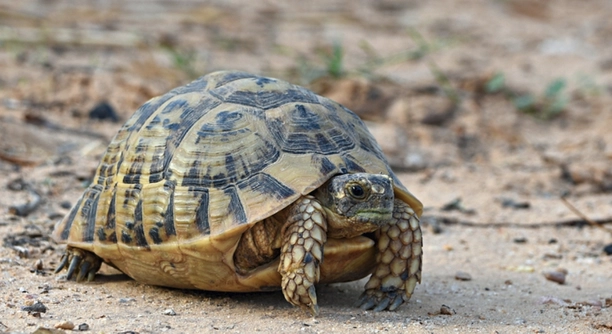
Russian tortoises are unique and fascinating pets, but sometimes their behavior can leave owners puzzled. One common behavior is when they push their food around. This might seem odd, but there are a few simple explanations behind it.
Tortoises often push their food around because they are instinctively trying to find the right food or position for it. They may also be marking territory or simply investigating their environment. This behavior is common and typically not a sign of distress.
There are several reasons why your tortoise might do this, and understanding it can help improve its feeding habits and overall well-being.
Reasons Behind the Behavior
Russian tortoises are naturally curious and sometimes exhibit strange behaviors like pushing food around. One reason they may do this is that they are simply exploring their environment. Tortoises use their sense of touch to investigate their surroundings, and this includes their food. When they push it around, they might be trying to determine if it’s edible or just part of their habitat. Another possible reason is that they’re searching for a better spot to eat, especially if the food isn’t placed in a comfortable or familiar area. If they feel uneasy, they may move the food to create a more secure space.
Pushing food can also be a way for your tortoise to communicate. They could be marking the food as their own, especially if they feel territorial or want to establish dominance. Additionally, Russian tortoises are known to exhibit this behavior when they’re not hungry or when they prefer a different food type.
Understanding why your tortoise moves its food helps in providing a more comfortable and satisfying environment for them. Whether it’s a sign of exploration or communication, knowing the root cause can help create a better setup for their needs.
Feeding Environment
The setup of your tortoise’s feeding area can have a big impact on its behavior. If the food is placed on a surface that’s too slick or difficult to access, your tortoise might push it around in frustration. An uneven surface could also contribute to the movement, as they search for a more stable position.
A good idea is to use a low, flat dish where food is easily accessible. You can even try different food arrangements to see if that changes their behavior. A proper setup will encourage more natural eating habits and can reduce unnecessary food pushing.
Food Preferences
Russian tortoises can be picky eaters. They may push food around because they simply don’t like what’s in front of them. Tortoises can develop preferences for certain types of plants, vegetables, or fruits, and will often avoid anything that doesn’t meet their taste.
If your tortoise regularly pushes food around, it might be a sign that the offering isn’t to its liking. To encourage better eating habits, try offering a variety of fresh foods. Leafy greens, such as dandelion greens or collard greens, are often more appealing to them. You can also offer occasional fruits like strawberries or cantaloupe.
Try to watch how your tortoise reacts to different foods and see what it prefers. Over time, you’ll learn which options are most likely to be eaten, reducing the chances of it pushing food aside. Offering food in small portions can also make it easier for your tortoise to focus on what it enjoys.
Stress and Anxiety
Tortoises are sensitive creatures and may push their food around when they’re stressed. Changes in their environment, such as loud noises, new surroundings, or the presence of other animals, can cause this behavior. If they feel threatened or anxious, they may avoid eating or manipulate the food to seek comfort.
A stressed tortoise may also exhibit other signs, such as pacing or hiding. The key to reducing stress is to provide a stable and quiet environment. Ensure their habitat is quiet and comfortable, free from excessive handling, and keep it in a consistent space. Offering a hide box or a safe, quiet area can give your tortoise a place to retreat to if it feels overwhelmed.
Try to observe your tortoise closely for any other stress signs. If the pushing food behavior continues, it might be worth considering any external factors causing the stress, such as sudden changes in temperature, humidity, or light.
Habitat Size and Layout
A cramped or poorly designed habitat can cause discomfort and lead to food-pushing behavior. If your tortoise feels confined, it might push its food around in an attempt to find a better spot. Giving them enough space to move freely reduces stress and encourages natural behaviors.
To avoid this, make sure your tortoise has a spacious enclosure with enough room to roam. A larger area helps them feel more at ease, providing a safe environment to explore. Including rocks, hideouts, and varied surfaces allows them to interact with their surroundings, which can also influence their food habits.
Temperature and Lighting
The temperature and lighting in your tortoise’s habitat play a crucial role in its overall health and behavior. If the enclosure is too hot or cold, or if there is inadequate light, your tortoise may become sluggish or uninterested in food. These factors can cause it to push food around rather than eat.
Maintaining proper temperatures between 75°F and 85°F during the day and providing a basking spot around 90°F will help keep your tortoise active and engaged. Additionally, make sure there is a UVB light to mimic natural sunlight, promoting good digestion and feeding behavior.
Overfeeding or Underfeeding
Both overfeeding and underfeeding can lead to food-pushing behavior. If your tortoise is offered too much food at once, it may only eat part of the meal, pushing the rest around. Alternatively, if food is scarce or not provided regularly, they may be anxious, leading to similar behavior.
Maintaining a balanced feeding schedule with the appropriate portion sizes is essential. You should only offer enough food for your tortoise to consume within 15 to 30 minutes. This prevents leftover food from being pushed around and ensures that the tortoise gets the right amount of nutrition.
FAQ
Why does my Russian tortoise push food around after eating?
Sometimes, after eating, a Russian tortoise might push food around as part of their natural instinct to explore their surroundings. They may be checking to see if the food is gone or if there’s something else they should eat. It can also be a way of marking the area after eating, as they may feel territorial. If they don’t feel like eating anymore, they might move the food away from them, especially if they’re not hungry or if they prefer a different type of food.
Is it normal for a tortoise to push food around?
Yes, it’s generally normal for a tortoise to push food around. It’s often a sign that the tortoise is exploring, figuring out its food, or trying to find a comfortable eating spot. However, if it’s happening excessively or seems linked to other health concerns, it’s good to observe the behavior closely and rule out stress or discomfort as potential causes.
How can I prevent my tortoise from pushing food around?
To prevent your tortoise from pushing food around, ensure that its habitat is comfortable and stress-free. Offer food in an accessible and stable area, like a flat dish, to reduce frustration. Additionally, try feeding your tortoise smaller portions of food to see if that encourages them to eat more without pushing it around. Be mindful of their preferences and adjust the types of food offered to keep them interested.
Could pushing food mean my tortoise is sick?
Pushing food around is not usually a sign of illness in Russian tortoises. However, if the behavior is accompanied by other symptoms such as lethargy, weight loss, or difficulty eating, it could be an indication of a health issue. In that case, it’s best to consult with a vet to rule out any medical concerns.
Can temperature affect my tortoise’s food behavior?
Yes, temperature can affect a tortoise’s eating habits. If the environment is too hot or too cold, it can cause a tortoise to become less active and uninterested in food. In cooler temperatures, a tortoise may eat less and even push food around out of confusion. Make sure the habitat is within the ideal temperature range, around 75°F to 85°F during the day, and a basking area around 90°F, to keep your tortoise comfortable and encourage healthy eating.
What should I do if my tortoise refuses to eat its food?
If your tortoise is refusing to eat, check the food you’re offering. Tortoises can be picky, and they may simply not like the food you’ve provided. Try offering a variety of fresh, leafy greens like dandelion greens or collard greens, and avoid feeding them foods they might find unappealing, such as certain fruits or vegetables. Also, ensure that the food is clean, fresh, and appropriately prepared.
Is my tortoise stressed if it pushes its food around?
While pushing food around isn’t automatically a sign of stress, it can be a subtle indicator that something in the environment is off. If your tortoise is exhibiting other signs of stress, such as hiding more often, pacing, or not eating, then it may be a sign that your tortoise is feeling uneasy. Stress can come from changes in the habitat, temperature fluctuations, or even external factors like noise or other animals. Ensure your tortoise’s habitat is calm, quiet, and comfortable.
How much food should I give my Russian tortoise?
Russian tortoises should be offered a variety of vegetables and greens daily, with a focus on leafy greens such as kale, collard greens, and dandelion greens. You should feed them just enough to allow them to finish their meal within 15 to 30 minutes. Overfeeding or leaving large amounts of food in their enclosure can lead to them pushing it around. Offering food in small, manageable portions can help ensure your tortoise is getting the right amount of nutrition.
Could my tortoise be bored and pushing food around for entertainment?
Yes, boredom can be another reason for food-pushing behavior. Russian tortoises are intelligent creatures that need mental stimulation. If their environment lacks variety, they might push food around simply because they’re looking for something to do. To reduce boredom, provide new objects for them to explore, such as rocks, hide boxes, and various textures in their enclosure. Offering occasional changes to their environment can help keep them engaged.
How can I tell if my tortoise is simply being playful or if there’s a problem?
It can be hard to differentiate between playful exploration and a potential problem. If your tortoise is regularly moving food around without showing other signs of distress, it’s likely just playful behavior. However, if it’s combined with signs like loss of appetite, lethargy, or changes in activity level, then it’s worth checking in with a veterinarian to rule out health concerns. Regular observation of your tortoise’s behavior will help you notice any changes or patterns that may signal a deeper issue.
Final Thoughts
Pushing food around is a common behavior in Russian tortoises, and it’s typically nothing to be overly concerned about. It’s important to understand that tortoises are curious creatures, and they may move their food simply to explore, investigate, or even adjust it to a more comfortable position. This is part of their natural instincts and doesn’t necessarily indicate a problem. If the behavior seems occasional and doesn’t come with other concerning signs, it’s likely just a way for your tortoise to interact with its environment.
However, it’s still important to consider a few factors that could influence the behavior. If your tortoise is constantly pushing food around and not eating it, it might be worth checking if the food is the right type or properly placed in the habitat. Sometimes, your tortoise may not like the food offered or may prefer it in a different location. Make sure your tortoise’s habitat is spacious, comfortable, and free from stressors that might cause them to act out of frustration. Adjusting the temperature, providing the right food, and creating a calm environment can all contribute to reducing this behavior.
If the food-pushing behavior becomes excessive, combined with signs of stress, lack of appetite, or changes in health, it’s always a good idea to consult a veterinarian. In rare cases, a medical issue could be at play. But more often than not, your tortoise is simply acting on its instincts. By paying attention to its environment, food preferences, and overall health, you can ensure your tortoise remains happy and healthy while minimizing any unnecessary behavior.

Hello,
If you enjoy the content that we create, please consider saying a "Thank You!" by leaving a tip.
Every little bit helps us continue crafting quality advice that supports the health, happiness, and well-being of pets around the world, for pets of all shapes, sizes, and species.
We really appreciate the kindness and support that you show us!