
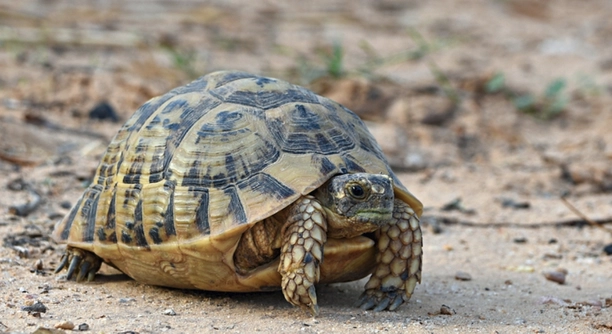
Russian tortoises are popular pets, loved for their gentle nature and interesting behaviors. However, observing unusual actions like frequent mouth-opening can leave you wondering what’s going on. It’s essential to understand this behavior.
The main reason your Russian tortoise keeps opening its mouth is likely related to stress, respiratory issues, or environmental factors. It could be trying to communicate discomfort or adjusting to its habitat, so a check-up may be necessary.
A closer look at potential health or environmental concerns can provide clarity. By examining your tortoise’s living conditions, you can ensure its comfort and well-being.
Reasons Your Russian Tortoise Might Open Its Mouth
When a Russian tortoise opens its mouth frequently, it could be signaling stress or discomfort. The environment plays a huge role in their behavior. If the temperature, humidity, or lighting is off, your tortoise might respond by opening its mouth in an attempt to regulate itself. Improper conditions can also lead to respiratory issues, which could cause your tortoise to open its mouth more often. If this becomes a persistent issue, it’s important to check the enclosure settings and ensure everything is optimal.
Mouth opening can also be a sign of illness. Respiratory infections are common in tortoises that are kept in conditions with poor ventilation or incorrect temperature. If the tortoise is having trouble breathing, it might try to open its mouth wider to get more air. In such cases, immediate attention from a veterinarian is necessary to prevent further health complications.
In addition to environmental stress, your tortoise could be feeling threatened or scared. A Russian tortoise may use its mouth opening as a defensive mechanism, especially if it feels threatened by movement or noise nearby. Keeping their space quiet and calm can help reduce this behavior.
How to Address the Issue
Ensure the habitat has the right balance of temperature, humidity, and lighting. Regular check-ups will also help keep your tortoise healthy. If the behavior persists, it is time to consult a veterinarian.
Environmental stress and respiratory issues are common triggers. It’s essential to monitor your tortoise’s habitat carefully. Proper care will minimize discomfort and help it feel safe and secure in its space.
Respiratory Infections and Mouth Opening
Respiratory infections are one of the main reasons a tortoise might open its mouth frequently. These infections can occur if the habitat is too cold, too humid, or not well-ventilated. It’s important to keep the temperature consistent and monitor humidity levels to avoid this issue.
If your Russian tortoise opens its mouth often and shows signs of wheezing, mucus around the nostrils, or lethargy, it could have a respiratory infection. These infections can worsen quickly, so it’s essential to act fast. A visit to the vet is the best course of action, where they may prescribe antibiotics or other treatments to help your tortoise recover.
A healthy tortoise should breathe calmly and not open its mouth regularly. If you notice any of these symptoms, it’s time to reevaluate the living conditions and get your pet the medical care it needs. Early intervention can make all the difference in their recovery.
Stress from Environmental Factors
Your tortoise might open its mouth as a result of stress caused by environmental factors. Temperature fluctuations, improper lighting, or overcrowding can make them uncomfortable. Creating a peaceful, stable environment can prevent these issues and keep your tortoise feeling secure.
Providing a proper enclosure that mimics their natural habitat is key. Ensure the enclosure is large enough for them to move around and that they have access to a basking spot with a heat source. Regularly check the light cycle, humidity levels, and overall cleanliness to prevent any stressors. These adjustments can significantly reduce mouth-opening behavior.
If you notice other signs of stress, such as excessive hiding or aggression, consider reworking the habitat setup. A tortoise that feels at ease will be much less likely to display signs of stress like opening its mouth.
Improper Diet and Mouth Opening
If your tortoise’s diet is lacking or unbalanced, it might open its mouth more often. A lack of hydration or essential nutrients can cause discomfort. It’s important to feed your Russian tortoise a variety of leafy greens and occasional vegetables to support its health.
Ensure that your tortoise is drinking enough water. Dehydration can cause it to open its mouth in search of moisture. Additionally, providing a diverse diet with the right calcium levels can help prevent issues with their overall well-being. A poorly balanced diet can lead to mouth opening and other health concerns.
Poor Air Quality in the Enclosure
A buildup of dust, mold, or ammonia in the enclosure can lead to poor air quality, causing respiratory issues. This may result in your tortoise opening its mouth as a way to get more oxygen. Ensure your enclosure is well-ventilated and cleaned regularly to avoid this problem.
Physical Injury or Mouth Problems
Sometimes, mouth opening can be related to physical injury or mouth issues. If your tortoise has hurt its mouth or teeth, it might open its mouth due to pain. Inspect its mouth for any visible injuries or swelling to rule out physical causes.
FAQ
Why does my Russian tortoise keep opening its mouth?
Your tortoise might open its mouth due to stress, respiratory infections, improper temperature, or other environmental factors. It could also be an indication of dehydration, hunger, or discomfort from an unbalanced diet. In some cases, it’s a sign of an underlying health issue, such as a mouth injury or infection. Regularly checking its living conditions and diet can help prevent this behavior.
How can I tell if my Russian tortoise is sick?
If your tortoise is opening its mouth frequently, it could be a sign of illness. Other symptoms include lethargy, abnormal breathing sounds, nasal discharge, swelling, loss of appetite, or abnormal posture. If any of these signs occur, it’s crucial to consult a veterinarian. Early detection of health problems can prevent more serious conditions.
Can a Russian tortoise get a cold?
Yes, Russian tortoises can develop respiratory infections, which can seem similar to a cold. These infections are often caused by poor environmental conditions, such as low temperatures, high humidity, or inadequate ventilation. A tortoise with a respiratory infection may open its mouth to get more air, along with showing signs of nasal discharge, wheezing, or difficulty breathing.
How do I create a proper habitat for my tortoise?
A proper habitat for your Russian tortoise should include a temperature gradient, allowing your tortoise to regulate its body temperature by moving between warmer and cooler areas. The basking area should be around 90-95°F, while the cooler area should be around 70°F. Humidity should be kept around 40-60%. Provide a UVB light source for 10-12 hours a day to help with calcium absorption. The enclosure should be spacious and contain places for hiding and exploration.
Can my tortoise get sick from being too hot or too cold?
Yes, both extreme heat and cold can harm your Russian tortoise. If it’s too hot, your tortoise could suffer from dehydration or heat stress. If it’s too cold, it may develop respiratory issues, as its immune system will be weakened. Keeping a stable temperature and humidity range is essential for your tortoise’s health.
How often should I feed my Russian tortoise?
A Russian tortoise typically needs to be fed daily. A balanced diet should include a variety of leafy greens, such as collard greens, dandelion leaves, and mustard greens. Offer occasional vegetables like bell peppers or squash. Fruits should be given sparingly. Be sure to provide fresh water every day, and check that the food is clean and free from pesticides.
What should I do if my tortoise isn’t eating?
If your tortoise stops eating, check for signs of illness or stress. It could be related to environmental conditions, such as improper temperature or humidity. It might also be due to a change in diet, health problems, or hibernation attempts. If your tortoise hasn’t eaten for several days, it’s best to take it to a veterinarian to rule out any serious conditions.
Can stress cause my tortoise to stop eating?
Yes, stress can cause a Russian tortoise to lose its appetite. Stressors such as sudden changes in its environment, handling, loud noises, or the presence of other pets can cause stress. Make sure the enclosure is quiet and peaceful. Also, avoid overhandling your tortoise, especially during stressful periods.
How do I treat a respiratory infection in my tortoise?
If your tortoise shows signs of a respiratory infection, such as mouth opening, nasal discharge, or wheezing, it’s important to consult a veterinarian as soon as possible. Treatment may include antibiotics and proper care to improve the environment. The vet may also recommend increasing the temperature or providing a humidifier to help with breathing.
Should I handle my Russian tortoise while it is sick?
It’s best to limit handling while your tortoise is sick. Handling could cause additional stress and may worsen its condition. Focus on creating a calm, stable environment and consult a veterinarian for treatment options. If your tortoise needs to be examined by a vet, a gentle approach is always best.
How long do Russian tortoises live?
Russian tortoises can live for up to 50 years with proper care. In some cases, they can even live longer, especially when kept in ideal environmental conditions. Ensuring they have a healthy diet, stable habitat, and regular check-ups will help them live a long and healthy life.
How do I know if my tortoise is dehydrated?
Dehydration in tortoises can cause mouth opening as they search for moisture. Other signs include dry, wrinkled skin, sunken eyes, and a lack of energy. To prevent dehydration, ensure your tortoise always has access to fresh water. You can also soak it in lukewarm water for 15-20 minutes a few times a week to help with hydration.
What temperature should my tortoise’s enclosure be?
A Russian tortoise’s enclosure should have a temperature gradient to allow it to regulate its body temperature. The basking area should be between 90-95°F, and the cooler side should be around 70°F. Make sure the night temperature does not drop below 60°F. Providing the correct temperature range helps keep your tortoise healthy and comfortable.
Can I use a heat lamp for my tortoise?
Yes, a heat lamp is essential for maintaining the proper basking temperature in your Russian tortoise’s enclosure. Use a bulb that provides UVB rays to help with calcium absorption. Make sure to place the lamp over the basking area and avoid direct contact with your tortoise. Always monitor the temperature to prevent overheating.
Why does my tortoise constantly hide?
If your tortoise is constantly hiding, it could be due to stress, illness, or a temperature imbalance. Make sure its environment is stable, with the proper temperature and humidity. Stress from loud noises, handling, or the presence of other pets can also cause hiding behavior. If the hiding persists, a vet visit is recommended to rule out any health issues.
Final Thoughts
When you notice your Russian tortoise opening its mouth frequently, it’s important to pay attention to the underlying cause. There are various factors that could contribute to this behavior, from environmental stress to potential health issues. A sudden change in temperature, humidity, or lighting in the enclosure can cause your tortoise to feel uncomfortable, leading it to open its mouth more often. It could also be a sign of dehydration or a sign that your tortoise is struggling to breathe properly due to respiratory infections. Understanding the environment and making sure it’s properly set up can prevent these issues and help maintain your tortoise’s health.
If you’ve checked the living conditions and ruled out environmental factors, it may be time to consider other possibilities. A poor diet can also affect your tortoise’s overall health and cause it to open its mouth more frequently. Ensure you’re offering a variety of leafy greens and providing enough calcium and hydration. A lack of essential nutrients could lead to discomfort, making it more likely for your tortoise to exhibit this behavior. Additionally, injuries or mouth problems might be at play, which may require a more thorough examination from a veterinarian. Regular health check-ups can ensure your tortoise remains in good condition.
In most cases, monitoring the enclosure, diet, and health status of your Russian tortoise will help prevent mouth opening due to environmental factors. If the behavior continues or worsens, seeking advice from a veterinarian is the safest approach. Early detection of health issues is key to avoiding complications and ensuring your tortoise remains happy and healthy. Keeping a stable environment, providing the right diet, and being observant of any other signs of distress will go a long way in promoting the well-being of your tortoise.

Hello,
If you enjoy the content that we create, please consider saying a "Thank You!" by leaving a tip.
Every little bit helps us continue crafting quality advice that supports the health, happiness, and well-being of pets around the world, for pets of all shapes, sizes, and species.
We really appreciate the kindness and support that you show us!