
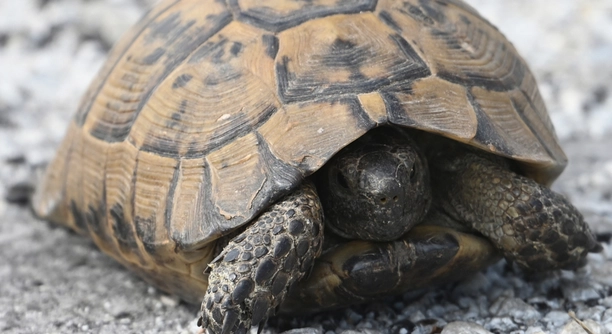
Russian tortoises may make clicking sounds for various reasons. These sounds can indicate physical or environmental factors that affect their health or behavior. Understanding the causes can help ensure your tortoise stays healthy and comfortable.
The clicking sounds are often caused by respiratory issues, such as an upper respiratory infection (URI). URIs are common in reptiles, particularly when they are exposed to poor environmental conditions like improper humidity or temperature.
By monitoring their environment and health, you can address these issues and keep your tortoise comfortable.
Common Causes of Clicking Sounds in Russian Tortoises
A clicking sound in a Russian tortoise may point to respiratory infections, which are common in reptiles. These infections are often caused by improper living conditions, such as incorrect humidity or temperature. Russian tortoises are sensitive to environmental changes, so it’s important to maintain a steady habitat. Their immune systems can weaken when stressed or when exposed to drafts, poor ventilation, or overly humid environments. Inadequate heat can also lead to respiratory distress, causing clicking as they struggle to breathe.
Pay attention to the temperature and humidity levels in your tortoise’s habitat. A proper temperature range and adequate airflow are key to preventing respiratory issues. Regular monitoring of these factors can help avoid infections.
Russian tortoises may also make clicking sounds if they are dehydrated. Dehydration can impact their ability to regulate their bodily functions, leading to stress that manifests as clicking. It’s important to provide fresh water and mist their habitat regularly to maintain hydration.
How to Treat Respiratory Infections in Russian Tortoises
Respiratory infections require immediate attention. If you notice clicking sounds accompanied by wheezing or nasal discharge, it’s important to consult a veterinarian. A vet can perform tests to determine if there’s an infection and recommend the appropriate treatment, which may include antibiotics or fluids. Prompt treatment is crucial to avoid further complications.
To prevent future respiratory issues, make sure your tortoise’s habitat is stable and suitable. This includes maintaining the right temperature, humidity, and airflow. If the habitat is kept clean and stress-free, the likelihood of infections decreases significantly.
Signs of a Respiratory Infection in Russian Tortoises
Clicking sounds are often accompanied by other signs of a respiratory infection. Look for symptoms such as nasal discharge, wheezing, or labored breathing. If your tortoise is not eating or moving as usual, it could be a sign that something is wrong. These signs should not be ignored.
Respiratory infections in Russian tortoises can worsen quickly if left untreated. The clicking sound might be a subtle first indication, but as the infection progresses, it can affect their ability to breathe properly. In severe cases, you might see your tortoise with a swollen neck or mouth, indicating a serious infection that requires immediate veterinary attention.
If you notice these symptoms, take action right away. A vet can help determine the exact cause and provide necessary medications. Early intervention is crucial in helping your tortoise recover quickly and return to its normal behavior.
How Temperature Affects Tortoise Health
Temperature is a major factor in the health of your Russian tortoise. If the enclosure is too cold, it can cause stress and reduce their immune system’s ability to fight off infections. Tortoises are cold-blooded, so they rely on external heat sources to regulate their body temperature.
Keeping a consistent temperature within the ideal range is essential. The basking area should be between 90-95°F (32-35°C), and the cooler side of the tank should be around 70°F (21°C). If your tortoise is exposed to temperatures outside this range for extended periods, it may develop respiratory problems or other health issues.
In addition to temperature, humidity also plays a role in their overall well-being. A humidity level between 40-60% is ideal for a Russian tortoise. Too much or too little humidity can cause dehydration, which may lead to clicking sounds and other respiratory issues. Regular checks can help keep things balanced.
Importance of Proper Humidity
Humidity plays a critical role in your Russian tortoise’s health. Too little humidity can lead to dehydration, causing respiratory distress that results in clicking sounds. On the other hand, excessive humidity can cause fungal infections, which can also affect breathing. Maintaining the right balance is key.
Keep humidity between 40-60% for your tortoise’s habitat. You can achieve this by misting the enclosure lightly or using a humidifier. If the environment is too dry, try adding a shallow water dish or increasing misting to ensure your tortoise stays hydrated. Regular monitoring is important.
Stress and Its Impact on Tortoise Health
Stress can lead to a variety of health problems in Russian tortoises, including respiratory issues. Stress factors include overcrowding, sudden environmental changes, or inadequate hiding spots. A stressed tortoise may become more vulnerable to infections, causing them to make clicking sounds as a result.
By providing a safe, quiet, and consistent environment, you can minimize stress and improve your tortoise’s well-being. Avoid handling your tortoise excessively, as this can cause additional stress. It’s essential that your tortoise feels secure in its habitat to prevent the onset of health issues.
When to See a Veterinarian
If your tortoise’s clicking persists or worsens, it’s time to consult a vet. Clicking sounds are often a sign of underlying respiratory problems that require professional treatment. Waiting too long may cause the infection to spread or worsen.
A vet can help assess the cause and recommend treatments such as antibiotics or changes to your tortoise’s habitat. It’s always better to act early to prevent further complications and ensure your tortoise recovers quickly.
FAQ
Why does my Russian tortoise make clicking sounds?
Clicking sounds in Russian tortoises are often caused by respiratory issues, most commonly upper respiratory infections (URI). These infections can result from improper temperature, humidity, or stress. If your tortoise is exposed to poor living conditions, its immune system can weaken, leading to such respiratory distress.
How can I tell if my Russian tortoise has a respiratory infection?
In addition to clicking sounds, signs of a respiratory infection include nasal discharge, wheezing, labored breathing, and lethargy. Your tortoise may also stop eating or become less active. If these symptoms appear, it’s important to consult a vet for proper treatment.
What temperature should my Russian tortoise’s habitat be?
Russian tortoises require a temperature range of 70°F (21°C) on the cooler side of the tank and 90-95°F (32-35°C) in the basking area. Maintaining a stable environment is crucial for your tortoise’s health. Temperature fluctuations can lead to stress and respiratory problems.
How do I maintain the right humidity for my tortoise?
Humidity should be kept between 40-60% in your tortoise’s habitat. If the air is too dry, your tortoise can become dehydrated, which may lead to respiratory issues. You can increase humidity by misting the enclosure lightly or using a shallow water dish. Monitor the levels regularly to maintain a healthy environment.
What causes stress in Russian tortoises?
Russian tortoises are sensitive creatures, and stress can result from overcrowding, sudden changes in their environment, or too much handling. It’s important to provide a quiet, secure space with plenty of hiding spots to help minimize stress and keep your tortoise healthy. Avoid unnecessary changes or disruptions in their routine.
Can improper diet cause clicking sounds in my tortoise?
An improper diet can contribute to health problems, but clicking sounds are more commonly linked to respiratory issues. However, a balanced diet is important for overall health. Ensure your tortoise is receiving a mix of leafy greens, vegetables, and occasional fruits. Avoid overfeeding or offering foods high in oxalates, which can cause kidney issues over time.
How often should I take my Russian tortoise to the vet?
Regular check-ups are a good idea, especially if you notice any behavioral changes or health issues. If your tortoise starts showing signs of illness, such as clicking sounds or lack of appetite, it’s important to consult a vet right away. Early detection can prevent further complications.
What is the best way to prevent respiratory infections in my tortoise?
Maintaining a stable and proper environment is key. Ensure your tortoise has the right temperature, humidity, and clean air. Avoid drafts and dampness, as these can contribute to infections. Additionally, ensure your tortoise is well-fed and not overly stressed. Regular cleaning of the enclosure will also help reduce bacterial growth.
Can clicking sounds be a sign of something other than a respiratory infection?
Though respiratory infections are the most common cause of clicking, other potential causes include a damaged shell or mouth, or physical trauma. If the clicking sound is persistent and accompanied by other symptoms like swelling or changes in eating habits, it’s important to seek veterinary care to rule out other issues.
How can I help my tortoise recover from a respiratory infection?
Recovery from a respiratory infection involves treating the underlying cause, usually through medications prescribed by a vet. It’s important to keep your tortoise in a comfortable, warm, and dry environment while it heals. Follow the vet’s instructions carefully, and avoid handling your tortoise too much during recovery to reduce stress.
Is it safe to handle my Russian tortoise while it’s sick?
While it’s important to minimize stress during illness, brief handling may be necessary to give medications or check on your tortoise. However, excessive handling should be avoided. Allow your tortoise to rest in a calm environment, and follow any care instructions from your vet.
Final Thoughts
Russian tortoises are resilient creatures, but their health can be easily affected by environmental factors such as temperature, humidity, and stress. Clicking sounds are a common symptom of respiratory issues, often caused by poor living conditions or stress. Maintaining a stable and suitable habitat is crucial for your tortoise’s well-being. Ensuring that the temperature is within the proper range, keeping humidity levels consistent, and avoiding stressors like overcrowding or excessive handling will help your tortoise stay healthy.
If you notice any signs of illness, such as clicking sounds, nasal discharge, or lethargy, it’s important to act quickly. Respiratory infections can worsen if not addressed, and early intervention can make a significant difference in your tortoise’s recovery. Regular veterinary check-ups are also a good practice to ensure your tortoise’s long-term health. Your vet can offer guidance on proper care and help prevent or treat any health issues that may arise.
Ultimately, your Russian tortoise’s health depends on the care and attention it receives. By creating a proper environment and being proactive about its needs, you can ensure that your tortoise leads a long, healthy life. Keeping an eye out for signs of illness and addressing them early can make all the difference. Healthy tortoises are more likely to thrive, enjoy their habitat, and live without the discomfort of clicking sounds caused by respiratory issues.

Hello,
If you enjoy the content that we create, please consider saying a "Thank You!" by leaving a tip.
Every little bit helps us continue crafting quality advice that supports the health, happiness, and well-being of pets around the world, for pets of all shapes, sizes, and species.
We really appreciate the kindness and support that you show us!