
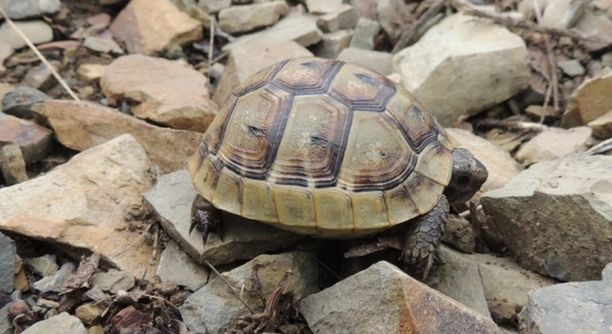
Russian tortoises are unique and often curious creatures. If you’ve noticed your tortoise kicking its food, it can be puzzling. Understanding why this behavior happens will help you take better care of your shelled companion.
The most common reason for a Russian tortoise kicking its food is that it is either not hungry or does not find the food appealing. Tortoises may also kick food to push it away if they feel stressed or uncomfortable in their environment.
There are several factors influencing this behavior, and understanding them will help improve your tortoise’s eating habits. Knowing how to address this issue ensures your pet remains healthy and content.
Reasons for Kicking Food
When a Russian tortoise kicks its food, it’s often a sign of something beyond simple disinterest. Sometimes, it’s about preference. Tortoises can be picky eaters, and certain types of food just don’t appeal to them. They may push it aside in search of something tastier. Another reason could be that they are not hungry at that moment. Tortoises tend to eat when they are ready, not necessarily because food is available. Temperature can also play a role. A tortoise that feels too cold might not have the energy or motivation to eat properly. Additionally, an unclean environment or stress can make a tortoise uncomfortable and less likely to interact with its food. Understanding these possibilities helps address the behavior in a thoughtful way.
If your tortoise is kicking food frequently, consider adjusting their environment. Sometimes, a change in surroundings can make a big difference in their eating habits.
The temperature of the habitat is vital. If the tank is too cold, your tortoise may feel lethargic and disinterested in food. On the other hand, a too-warm environment could lead to overeating or dehydration. Ensuring your tortoise has access to both warm and cool areas will help regulate its appetite and energy levels. A steady, comfortable temperature encourages proper digestion and a healthier eating routine. Also, try introducing variety into their diet. A mixture of leafy greens, vegetables, and occasional fruits can keep meals interesting. Rotating their food also helps prevent monotony and encourages them to engage with their meals. Regular feeding times may also help establish a routine, allowing your tortoise to anticipate meals and adjust their behavior accordingly.
When Stress Plays a Role
Stress can make your tortoise kick its food, often as a sign of discomfort. Tortoises are sensitive to sudden changes in their environment.
If the habitat isn’t ideal, your tortoise may become stressed, leading to altered behaviors, including food kicking. Common causes of stress can include loud noises, overcrowding, or too much handling. When a tortoise feels threatened or insecure, it may not want to eat. Even changes in lighting, humidity, or cleanliness can affect their mood and eating habits. Stressful conditions often cause a tortoise to act out by kicking away its food or showing little interest in eating altogether.
To reduce stress, ensure your tortoise’s home is calm, quiet, and stable. Keeping the enclosure clean and free from distractions can create a more comfortable environment. Consider a hiding spot where your tortoise can retreat to when feeling overwhelmed.
Poor Diet Choices
If your tortoise is kicking its food, it could be because the food isn’t to its liking. Not all tortoises have the same tastes.
Offer a range of leafy greens, such as dandelion, collard greens, and mustard greens. Avoid offering too many high-oxalate foods like spinach, as they can be harmful. Also, try providing more fibrous food, like hay, to mimic their natural diet. A lack of variety can cause your tortoise to become bored with the same foods, leading to rejection. Experiment with different textures and flavors to discover what your tortoise enjoys the most.
It’s important to observe how your tortoise reacts to certain foods. If it consistently pushes away particular items, it’s best to avoid offering those again. Keep in mind that tortoises are natural grazers, so they may prefer small portions throughout the day rather than large meals all at once. If you notice that your tortoise is consistently picky about its food, consider researching more about what is safe and beneficial for them. Adjusting the diet is often the key to preventing food rejection.
Environmental Factors
The environment plays a significant role in your tortoise’s eating habits. A tank that’s too hot or cold can lead to a lack of appetite.
Ensure the habitat maintains a steady temperature with warm areas for basking and cooler spots for retreating. Tortoises also need UVB lighting to help them digest food properly and absorb calcium. Without the right lighting, they may experience a loss of appetite or difficulty digesting their food. If your tortoise is constantly avoiding its food, a check-up on the environmental factors is necessary.
In addition to temperature and lighting, the humidity levels in the enclosure matter. Too much humidity can cause mold growth on the food, making it unappetizing. On the other hand, low humidity can lead to dehydration, causing lethargy and a lack of interest in food. Keep the humidity levels in the proper range to help your tortoise stay healthy and hungry. Regularly monitor the conditions to avoid any issues that might affect their eating behavior.
Overfeeding
Overfeeding is another reason your tortoise may be kicking its food. If they’re given too much at once, they might feel overwhelmed.
Large portions can lead to uneaten food being pushed away. Tortoises don’t need to eat large meals and may prefer smaller, more frequent servings. Overfeeding can also cause digestive issues and lack of appetite, as their systems may become overloaded.
Try offering smaller amounts of food to your tortoise and observe how they respond. When their meals are manageable, they may be more likely to eat. This can also help maintain their health by preventing obesity or digestive problems.
Health Issues
If a tortoise seems uninterested in food and starts kicking it away, there could be an underlying health issue.
Loss of appetite is often linked to respiratory infections, parasites, or internal discomfort. If you notice other signs of illness, such as lethargy, coughing, or abnormal behavior, it’s important to take your tortoise to a vet. Sometimes, a change in diet alone won’t resolve the issue if it’s health-related.
Inconsistent Feeding Schedule
Tortoises thrive on routine. If meals aren’t offered at consistent times, they may start refusing food.
Establish a regular feeding schedule so your tortoise knows when to expect meals. This helps build a healthy eating pattern, and they’re more likely to eat when they know food is available.
FAQ
Why does my tortoise push food away?
Tortoises may push food away due to a lack of hunger, stress, or disinterest in the food itself. Sometimes, they’re just not in the mood to eat or find the food unappealing. It could also be a sign that their environment isn’t optimal, such as temperature issues or being too cold. Stress, like loud noises or handling, can affect their behavior as well.
Can my tortoise eat the same food every day?
While tortoises can eat similar types of food every day, variety is key to providing balanced nutrition. Feeding the same food regularly may lead to boredom or nutritional imbalances. It’s important to offer a range of leafy greens, vegetables, and occasional fruits to ensure they get the nutrients they need.
What temperature should my tortoise’s enclosure be?
The temperature of your tortoise’s habitat is crucial for their health. The warm side of the enclosure should be around 85-90°F (29-32°C), while the cooler side should be around 70-75°F (21-24°C). This helps regulate their body temperature and appetite. Too much heat or cold can lead to a lack of interest in food.
How often should I feed my tortoise?
The feeding frequency depends on the age and species of your tortoise. Generally, adult tortoises can be fed 3-4 times a week, while younger ones may need daily feedings. Always adjust based on their individual needs and activity levels. Regular, smaller meals are better than large ones that could overwhelm their digestive system.
Should I be concerned if my tortoise isn’t eating?
If your tortoise refuses food for more than a couple of days, it may be a sign of stress, illness, or environmental issues. It’s important to check their habitat, food, and overall health. If the issue persists, it’s best to consult a vet to rule out any health concerns.
Is it okay for my tortoise to eat fruit every day?
Fruit should only be given in moderation, as it’s high in sugar. A tortoise’s diet should mainly consist of leafy greens and vegetables. Offering fruit once or twice a week is enough, and variety should be emphasized. Overfeeding fruit can lead to digestive issues or weight gain.
How do I know if my tortoise is dehydrated?
Signs of dehydration include sunken eyes, dry skin, and lethargy. If your tortoise is not drinking enough water, consider increasing the humidity in their enclosure or offering a shallow water dish for soaking. You can also try spraying water on the enclosure to encourage them to drink.
Can stress cause my tortoise to stop eating?
Yes, stress can lead to a loss of appetite. Tortoises are sensitive to their surroundings, and changes such as loud noises, new pets, or overcrowded environments can cause stress. Creating a calm, quiet space for your tortoise is important for their well-being and eating habits.
How do I clean my tortoise’s food?
Wash all vegetables and greens thoroughly to remove pesticides, dirt, or chemicals. If possible, buy organic produce to avoid chemicals. You can soak the greens for a few minutes in water to help remove any residue. Clean food ensures your tortoise stays healthy and is more likely to eat it.
Why is my tortoise kicking its food after I just cleaned the enclosure?
After cleaning, your tortoise might feel disoriented or stressed due to the change in its environment. The new arrangement may not feel comfortable yet. It’s important to give your tortoise time to adjust to the cleaned enclosure and re-establish its routine. They may start eating once they feel settled again.
How do I prevent my tortoise from overfeeding?
To prevent overfeeding, measure portions according to your tortoise’s size and age. Offer small amounts and remove uneaten food to prevent overeating. You can also provide food in different locations within the enclosure to encourage natural grazing habits. A consistent feeding schedule will help regulate their intake.
What are the signs that my tortoise is sick and not just avoiding food?
If your tortoise is not eating, look for other symptoms like lethargy, coughing, watery eyes, nasal discharge, or changes in behavior. These could indicate illness or infection. If any of these symptoms are present, consult a veterinarian as soon as possible to diagnose and treat any potential health problems.
Is it okay for my tortoise to eat weeds from the garden?
Weeds can be a great addition to your tortoise’s diet, but make sure they haven’t been treated with chemicals or pesticides. Common safe weeds include dandelion, clover, and plantain. Always be sure to positively identify the plants before offering them to avoid any toxic varieties.
How can I make my tortoise eat more if it’s not hungry?
If your tortoise isn’t hungry, try adjusting the environment. Make sure the temperature is within the ideal range and the lighting is correct. You can also offer different types of food or feed at different times of the day. If the problem persists, consult a vet to check for health concerns.
Should I be concerned if my tortoise only eats certain foods?
It’s common for tortoises to have food preferences, but a limited diet could lead to nutritional imbalances. Try offering a wider variety of safe foods. If your tortoise consistently refuses other foods, it might be worth checking with a vet to ensure they’re getting the proper nutrients.
What type of lighting does my tortoise need?
Tortoises require UVB lighting to help them metabolize calcium and maintain healthy bones. UVB light helps them produce vitamin D3, which is vital for digestion. Ensure your tortoise has access to UVB lighting for 10-12 hours a day. This is critical for their overall health and appetite.
Final Thoughts
Understanding why your Russian tortoise may be kicking its food is essential for ensuring their health and well-being. There are many factors at play, from their diet to their environment, and even their emotional state. Tortoises are creatures of habit and thrive in a stable, predictable environment. If they feel stressed or uncomfortable, their eating habits can be affected. Ensuring that their habitat is set up correctly, with the right temperature, humidity, and lighting, can make a significant difference. If the environment isn’t right, it can lead to disinterest in food or even food rejection. Keeping their enclosure clean and quiet will also help in reducing stress, allowing your tortoise to feel more secure and comfortable.
Food preference is another key factor. Like humans, tortoises have their likes and dislikes when it comes to food. If they consistently kick certain foods away, it could be that they simply don’t enjoy those particular items. It’s important to offer a variety of food to meet their nutritional needs and to make mealtime more interesting for them. Leafy greens, vegetables, and occasional fruits are generally the best options. However, ensuring that food is fresh, clean, and prepared in a way that is easy for them to eat can also encourage better eating habits. Experimenting with different textures and types of food can help you find what your tortoise enjoys most.
Finally, it’s important to remember that a lack of interest in food isn’t always a sign of a problem. Sometimes, tortoises may simply not be hungry at a given moment. However, if food rejection continues for a long period or if other signs of illness, such as lethargy or unusual behavior, are present, it’s time to consult a vet. Regular check-ups will help catch any health issues early and ensure your tortoise stays in good health. By maintaining a proper diet, environment, and routine, you can keep your Russian tortoise happy and healthy, and hopefully, see them enjoy their meals again.

Hello,
If you enjoy the content that we create, please consider saying a "Thank You!" by leaving a tip.
Every little bit helps us continue crafting quality advice that supports the health, happiness, and well-being of pets around the world, for pets of all shapes, sizes, and species.
We really appreciate the kindness and support that you show us!