
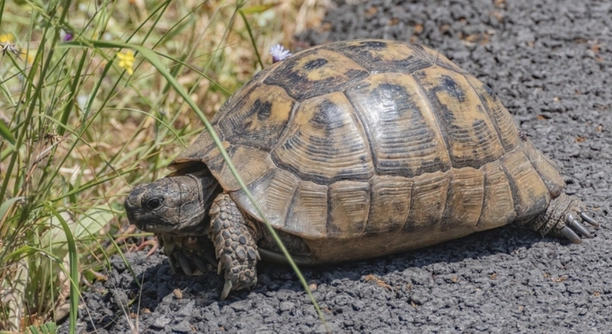
Sometimes, pet owners are puzzled when their Russian tortoises seem to tip over frequently. It’s important to understand why this might happen and how to address it.
Russian tortoises may fall over due to several reasons, including health issues like dehydration, an uneven environment, or improper shell alignment. Other factors, such as an unbalanced diet or insufficient exercise, may contribute as well.
Finding the root cause of this behavior is essential for ensuring your tortoise stays healthy and comfortable. Keep reading to learn how to help your tortoise stay on its feet.
Health Issues That Can Cause Tortoises to Fall Over
If your Russian tortoise keeps falling over, it might be dealing with an underlying health issue. Dehydration is one of the most common causes. A tortoise’s body needs adequate water to stay balanced and avoid exhaustion, which can lead to tipping over. Also, metabolic bone disease (MBD) can weaken a tortoise’s bones and shell, making it difficult for them to maintain their posture. This condition typically arises from improper diet, especially when there’s a lack of calcium and vitamin D3.
Besides MBD and dehydration, respiratory infections can also play a role. If your tortoise has difficulty breathing or is feeling weak, it might struggle to stay upright. Infections or illnesses can often leave a tortoise vulnerable to balance issues and other mobility problems. If these symptoms persist, it’s crucial to take your tortoise to a vet.
A veterinarian can run tests to diagnose the issue and offer the right treatment. Timely medical attention ensures your tortoise’s recovery and helps prevent further complications.
Environmental Factors That Affect Balance
Your tortoise’s habitat plays a significant role in its ability to stay balanced. An uneven or slippery surface can make it challenging for your tortoise to maintain stability. Whether it’s rocks, tiles, or any other surface material, it’s important that the ground is smooth and firm.
Additionally, your tortoise needs to have enough space to move freely. If the enclosure is too cramped or cluttered, it may cause your tortoise to trip or fall over as it tries to maneuver around obstacles. A spacious and clean living area with non-slip flooring is essential for your tortoise’s safety.
Consider the terrain your tortoise is walking on, and adjust it if needed to ensure they have a steady surface for their movements. You’ll notice an improvement in their balance if the environment is made more suitable for them.
Improper Diet and Nutritional Deficiencies
A poor diet can make it harder for your tortoise to stay on its feet. If your tortoise is not getting the right nutrients, it might not have the strength to move properly or support its own weight. In particular, a lack of calcium can lead to weakened bones, making it difficult for your tortoise to stay balanced.
To avoid nutritional deficiencies, provide a diet rich in leafy greens, such as collard greens, dandelion leaves, and mustard greens. Adding occasional fruits and high-fiber vegetables helps keep your tortoise healthy and energized. Ensure your tortoise is also getting enough calcium by offering calcium supplements if needed.
Your tortoise should always have access to clean water and a variety of food sources. If their diet lacks key nutrients, it can affect their mobility and overall well-being. A balanced diet plays a significant role in keeping your tortoise active and strong.
Lack of Exercise and Movement
Regular movement is important for your tortoise’s health. If your tortoise is not getting enough exercise, its muscles can weaken over time, making it difficult for it to maintain balance. A sedentary lifestyle may also result in obesity, further straining your tortoise’s body.
To encourage movement, create a larger enclosure with more space for your tortoise to roam. Offering different types of terrain, such as small ramps or rocks to climb, can stimulate activity. Interaction, such as supervised outdoor time or gentle encouragement to explore, will also help prevent physical limitations that lead to balance issues.
It’s important that your tortoise has room to move around freely. The more it moves, the stronger its muscles will be, and the less likely it will fall over due to weakness or immobility.
Shell Deformities and Damage
If your tortoise has shell deformities or damage, it can affect its balance. A misshapen or cracked shell may make it hard for your tortoise to stay upright, especially if the damage impacts its center of gravity. This can result from injury, poor diet, or untreated infections.
Proper care and a balanced diet can help prevent shell problems. If your tortoise’s shell is damaged, it’s essential to consult a vet for treatment. Ensuring a safe environment also reduces the risk of accidents that could cause injury. Regular checks on your tortoise’s shell can catch issues early.
Poor Lighting and Temperature
Incorrect lighting and temperature in the habitat can lead to problems. If the tank isn’t warm enough, it can cause metabolic problems, like weak bones, making it harder for the tortoise to move and maintain balance. UVB lighting is crucial for their health.
Ensure the tank is properly heated, with a warm basking spot and a cooler area for your tortoise to regulate its temperature. The UVB light should be positioned correctly to promote healthy calcium absorption. Without the right temperature and lighting, your tortoise can become lethargic and weak.
Stress and Anxiety
Stress can cause your tortoise to behave unusually, including falling over. A stressed tortoise may struggle to move around, become less active, and have trouble maintaining balance. Overcrowded enclosures, loud noises, or sudden changes in the environment can contribute to stress.
Reduce stress by keeping your tortoise’s environment calm, quiet, and stable. Avoid moving the enclosure frequently or introducing other animals that might cause distress. Ensuring a comfortable, predictable environment will help your tortoise feel more secure and maintain better physical coordination.
FAQ
Why is my Russian tortoise constantly flipping over?
Constant flipping can often be linked to health issues, an unstable environment, or poor diet. If your tortoise is not eating properly, is dehydrated, or lacks essential nutrients like calcium, it might struggle with its balance. Metabolic bone disease (MBD) is another common cause that can weaken the bones and shell, leading to difficulty staying upright. In addition to health problems, an enclosure with slippery surfaces or obstacles can also make it challenging for your tortoise to move easily. Make sure your tortoise has a smooth, non-slippery surface and is getting a balanced diet.
How can I help my Russian tortoise stop falling over?
To help your tortoise stop falling over, you should first check its diet and water intake. Make sure it’s getting enough calcium and vitamin D3. Offer a variety of leafy greens and ensure its shell is in good condition. If it’s a health issue, like MBD or dehydration, a vet should be consulted. Also, ensure that its environment is free from obstacles and has enough space for movement. A stable, clean habitat with proper lighting and heating can help prevent falls caused by physical weakness.
What can I do if my tortoise is dehydrated?
Dehydration is a common cause of balance issues in tortoises. To rehydrate your tortoise, offer water in a shallow dish and soak it in warm water for 20-30 minutes. This will encourage it to drink and absorb moisture through its skin. Ensure fresh water is always available, and if dehydration persists, you should take it to the vet for treatment. A hydrated tortoise is more likely to move properly and avoid falling over.
How do I check if my tortoise has metabolic bone disease?
Signs of metabolic bone disease (MBD) include weakness, lethargy, and difficulty moving or standing upright. You may also notice a soft or deformed shell. To confirm MBD, a veterinarian can conduct a blood test to check calcium and phosphorus levels. If your tortoise has MBD, a vet will provide a treatment plan, including supplements and dietary changes. It’s essential to address MBD early to prevent further bone damage and help your tortoise recover.
Can a tortoise’s shell cause it to fall over?
Yes, if a tortoise has a damaged or deformed shell, it can affect its balance. A weakened shell might make it harder for the tortoise to support its body properly, causing it to fall over. Accidental injuries, improper diet, or shell infections can all contribute to shell issues. If you suspect your tortoise’s shell is causing balance problems, have a vet examine it for any cracks, soft spots, or infections. Regularly checking your tortoise’s shell for damage can help prevent further complications.
How can I prevent my Russian tortoise from getting stressed?
Stress can lead to a variety of physical and behavioral issues in your tortoise, including difficulty staying balanced. To reduce stress, create a quiet, stable environment. Avoid loud noises, sudden changes in temperature, or frequent handling. Make sure your tortoise’s enclosure has enough space, natural hiding spots, and a proper temperature gradient. A stress-free environment will help your tortoise feel safe and secure, improving its overall health and mobility.
What type of habitat is best for my Russian tortoise?
A proper habitat is crucial to your tortoise’s well-being. It should include a dry, spacious area with smooth, non-slippery surfaces. The habitat should have both a warm basking spot and a cooler area for temperature regulation. UVB lighting is necessary to help your tortoise metabolize calcium and stay healthy. A hideout for privacy, along with plenty of fresh water and food, will also support your tortoise’s health and prevent stress. Regular cleaning of the enclosure and checking for any potential hazards can help avoid accidents.
How much exercise does my Russian tortoise need?
Exercise is essential for your tortoise’s health and mobility. Make sure your tortoise has enough space to roam freely in its enclosure. Providing different types of terrain, like rocks or small ramps, encourages movement and helps keep its muscles strong. It’s also a good idea to allow supervised outdoor time when the weather is appropriate. Regular movement helps your tortoise maintain balance and muscle strength, reducing the chances of falling over due to weakness or immobility.
Can my tortoise’s diet affect its balance?
Yes, a poor diet can contribute to balance issues. A lack of essential nutrients, especially calcium and vitamin D3, can weaken your tortoise’s bones and shell, making it harder to move and maintain its balance. A diet rich in leafy greens and occasional fruits will help keep your tortoise strong and healthy. Avoid feeding your tortoise too many high-protein foods, as this can cause nutritional imbalances. Regularly offering fresh, varied food ensures your tortoise gets the nutrients it needs to thrive.
Should I be concerned if my tortoise is falling over frequently?
Frequent falls should be taken seriously as they may indicate an underlying health issue. If your tortoise is falling over regularly, check for dehydration, metabolic bone disease, or a poor diet. Make sure the enclosure is safe and free from hazards. If the problem continues despite making these adjustments, it’s important to consult a vet. Regular health check-ups will help catch potential issues early and prevent long-term damage.
Final Thoughts
If your Russian tortoise keeps falling over, it’s essential to look at the bigger picture. Tortoises are strong, resilient creatures, but their health can be affected by many factors. Dehydration, poor diet, and improper habitat conditions are some of the most common reasons for balance issues. It’s important to check each of these factors carefully to identify the cause of the problem. By ensuring your tortoise has a proper diet, a clean and safe environment, and enough exercise, you can help reduce the chances of falling over.
One of the first things to address is your tortoise’s diet. Make sure it’s eating a variety of leafy greens like collard greens, dandelion leaves, and other high-fiber vegetables. Adding calcium supplements to its food can help prevent metabolic bone disease (MBD), which can weaken the bones and shell. If your tortoise is not getting the right nutrients, it may become weak, making it harder to maintain its balance. Always provide fresh water, and avoid feeding it too much fruit, as it can lead to nutritional imbalances. Regularly offering fresh food will go a long way in keeping your tortoise healthy and strong.
The environment in which your tortoise lives is equally important. If its habitat is too small, too cluttered, or has slippery surfaces, your tortoise may have difficulty moving around. Make sure the enclosure has enough space for your tortoise to roam and that the surfaces are safe for walking. Use a smooth and firm material for flooring to avoid any accidents. Additionally, maintaining proper lighting and temperature is crucial for your tortoise’s health. UVB lighting helps them absorb calcium, and a suitable temperature range ensures they remain active and strong. Creating a balanced, stable environment will help keep your tortoise safe from falling over and ensure it stays healthy for years to come.

Hello,
If you enjoy the content that we create, please consider saying a "Thank You!" by leaving a tip.
Every little bit helps us continue crafting quality advice that supports the health, happiness, and well-being of pets around the world, for pets of all shapes, sizes, and species.
We really appreciate the kindness and support that you show us!