
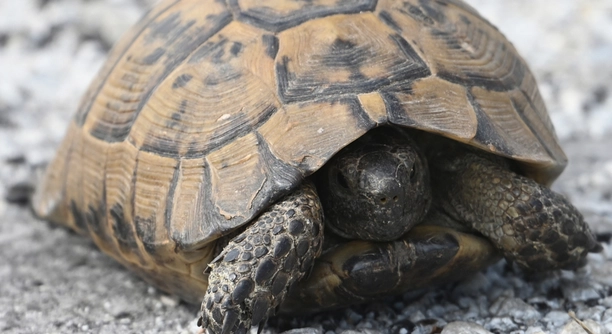
Russian tortoises are known for their curious nature and slow-paced movements. However, if your tortoise is frequently bumping into things, it may be a sign of an underlying issue. Understanding why this happens can help you address it.
The most common reason why a Russian tortoise bumps into things is related to vision problems or disorientation. Tortoises rely on their sight to navigate, and any impairment or unfamiliar environment may cause them to struggle with spatial awareness, leading to frequent collisions.
Making sure your tortoise’s environment is comfortable and safe is essential. Keeping their space free of hazards can help minimize these occurrences.
Causes of Poor Vision in Russian Tortoises
One of the most common reasons a Russian tortoise might bump into things is poor vision. Tortoises, like many reptiles, rely heavily on their sight to navigate. If their eyesight is impaired, they can have trouble recognizing objects in their environment. This can cause them to walk directly into walls, furniture, or other obstacles. Common causes of vision issues can include infections, cataracts, or even aging. It’s important to monitor your tortoise’s behavior closely, as this can help you identify if vision is the problem. In some cases, the problem may be reversible with proper care.
Even though vision problems are common, they are not always permanent. If you suspect your tortoise is struggling with its sight, visiting a reptile vet is a good first step. They can provide guidance on potential treatments. In some cases, vision problems may arise from environmental factors like poor lighting or improper care.
Making sure your tortoise has adequate lighting in its habitat is essential. UVB lighting is particularly important for maintaining proper vision and overall health. You might also consider adjusting their enclosure to reduce obstacles and make the environment easier to navigate.
Importance of a Proper Habitat
A proper habitat plays a significant role in preventing disorientation. Ensuring your tortoise has a safe, familiar, and well-lit space can help improve its navigation.
Environmental changes, such as new objects or rearranged spaces, can confuse your tortoise. Maintaining consistency in their habitat is key to keeping them comfortable. When you make changes to their environment, take care to introduce the changes slowly.
Vision Loss Due to Aging
As Russian tortoises age, they may naturally experience vision loss. This is part of the aging process and can make it harder for them to navigate their surroundings. Older tortoises might become less aware of obstacles, leading them to bump into things more often.
While vision loss due to age cannot be reversed, you can help by modifying their environment. Lower the height of objects in their habitat and provide them with a clear, obstacle-free path. Keeping their living area simple and uncluttered allows them to move around more easily. Regular check-ups with a vet can help manage age-related issues.
Older tortoises may also slow down, making them less likely to avoid bumps. When adjusting their habitat, keep their space calm and predictable. This will help them feel more comfortable and reduce stress.
How to Help Your Tortoise
Helping your tortoise adapt to vision loss requires some adjustments to their environment. Make sure the space is consistent and free of sharp or dangerous objects. Keep pathways wide and clutter-free to prevent unnecessary bumps.
You can also help by ensuring they receive adequate nutrition and hydration. A healthy tortoise will be better able to adapt to its changing circumstances. You might want to place their food and water in easy-to-reach spots and make sure their basking area is well lit. These small adjustments can make a big difference in their quality of life.
Environmental Stressors
Changes in a tortoise’s environment can also lead to confusion. If their habitat is too noisy, too bright, or too cluttered, it may cause disorientation, making them more likely to bump into things. Keeping their space calm and consistent can reduce this stress.
Ensure their environment stays stable, with appropriate lighting and temperature. A comfortable habitat will help them feel secure, reducing the chances of unintentional collisions. Make gradual changes if you need to adjust their space. Constant sudden shifts can overwhelm your tortoise and make it more prone to bumps.
Lack of Familiarity
A tortoise that’s placed in a new environment may struggle to find its bearings. This is especially true if you’ve recently moved their enclosure or introduced new objects. It takes time for them to adjust to unfamiliar surroundings, which can lead to more frequent collisions.
Routine and predictability are essential for tortoises. If their environment changes too often, it can cause confusion. Stick to a regular schedule for cleaning and rearranging, and avoid introducing too many changes at once. This will help them navigate their space with ease.
FAQ
Why does my Russian tortoise bump into things constantly?
If your Russian tortoise is bumping into objects frequently, it could be due to vision problems, disorientation, or stress. Tortoises rely on their sight to navigate, and if their vision is impaired, they may have difficulty identifying obstacles in their path. It’s also possible that changes in their environment, such as new items or rearranged furniture, may confuse them. Environmental factors like poor lighting or temperature could contribute to this behavior as well.
Can my tortoise recover from vision problems?
Recovery from vision problems depends on the cause. If it’s due to a treatable condition like an eye infection, your vet may be able to provide medication or advice for improvement. However, if the issue is age-related or caused by irreversible conditions like cataracts, your tortoise may not regain full vision. Regular vet visits are essential to assess the health of their eyes and provide solutions where possible.
How can I improve my tortoise’s vision?
Improving your tortoise’s vision involves providing them with proper care, a clean environment, and optimal lighting. Ensure that their habitat has adequate UVB lighting to support their vision and overall health. In addition, avoid placing obstacles too close together and reduce any clutter in their living space. Taking them for a check-up can also ensure they get the right treatment for any underlying conditions.
How do I know if my tortoise is stressed?
Stress in Russian tortoises can manifest in various ways, including reduced activity, hiding, excessive pacing, or bumping into things. If your tortoise’s behavior seems off or it becomes more sluggish than usual, it might be stressed. Environmental changes, improper temperature, and even loud noises can lead to stress. A comfortable, stable environment is key to preventing these issues.
What are common causes of stress in tortoises?
Common stressors for tortoises include sudden changes in their environment, incorrect temperatures, bright or harsh lighting, and loud noises. It’s essential to keep their space calm, with a consistent temperature range and appropriate humidity levels. Try not to move their habitat around too much, and avoid sudden changes to their routine.
Should I take my tortoise to the vet for vision problems?
Yes, if you suspect vision problems or any other health concerns with your tortoise, it’s a good idea to consult a reptile vet. They can perform a thorough examination to diagnose any issues and recommend appropriate treatments. Catching health problems early is crucial for preventing further complications.
Can lighting affect my tortoise’s vision?
Yes, improper lighting can affect your tortoise’s vision. UVB lighting is essential for their health and vision. It helps them process calcium and maintain overall well-being. Without proper UVB light, they might suffer from vision issues or other health problems. Ensure your tortoise has access to the right lighting for at least 10-12 hours a day.
How do I adjust my tortoise’s environment for better navigation?
To make it easier for your tortoise to navigate, keep their habitat simple and uncluttered. Avoid placing obstacles in the way of their usual path. Use soft substrates like coconut coir, which they can move across easily. Ensure the habitat is well-lit and at a proper temperature, and avoid any drastic changes in their environment.
Can a tortoise’s age affect how they navigate their environment?
Yes, as tortoises age, they may experience vision loss or become slower, which can make it more difficult for them to navigate their environment. Older tortoises may become disoriented more easily and could bump into things more often. Adjusting their habitat to suit their slower pace and reducing obstacles can help them feel more comfortable.
How can I help my tortoise adapt to a new environment?
When introducing your tortoise to a new environment, take it slow. Place them in the new space and allow them time to explore at their own pace. Minimize sudden changes to their surroundings to reduce stress. Gradually introduce new objects, and be mindful of any reactions that might indicate confusion or anxiety. Keep their routine as consistent as possible to help them adjust.
Final Thoughts
Understanding why your Russian tortoise bumps into things is essential for ensuring their well-being. This behavior could be due to vision problems, environmental stress, or unfamiliar surroundings. As tortoises get older, they may experience natural changes in their vision, which can make navigation more difficult. Addressing these issues by adjusting their habitat and maintaining a consistent environment can help your tortoise feel more comfortable. Regular vet visits also play an important role in catching any health issues early, especially those that may affect their sight.
It’s also crucial to recognize how environmental factors impact your tortoise’s behavior. Stress from changes in their habitat, poor lighting, or temperature inconsistencies can cause disorientation, leading them to bump into objects. Keeping their enclosure calm and predictable will make it easier for them to adjust to their surroundings. Removing unnecessary items and ensuring there’s enough space to roam can reduce these types of accidents. Your tortoise’s comfort and mental well-being should always be a priority when managing these challenges.
If your tortoise continues to show signs of discomfort or difficulty moving around, seeking professional advice from a reptile vet is a good next step. They can diagnose any vision problems and suggest treatments if necessary. Making simple adjustments to their daily routine, such as ensuring they get enough sunlight and have access to clean, easily accessible food and water, can improve their overall quality of life. With patience and care, you can create a safe and comfortable space where your tortoise can thrive without the constant worry of bumps or disorientation.

Hello,
If you enjoy the content that we create, please consider saying a "Thank You!" by leaving a tip.
Every little bit helps us continue crafting quality advice that supports the health, happiness, and well-being of pets around the world, for pets of all shapes, sizes, and species.
We really appreciate the kindness and support that you show us!