
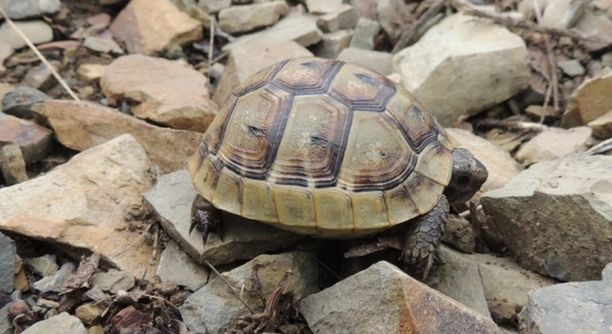
A runny nose in a Russian tortoise can be concerning, but it’s not always a sign of something serious. Understanding the possible causes will help you care for your pet properly and avoid unnecessary worry.
A runny nose in a Russian tortoise can result from various factors such as respiratory infections, environmental issues, or diet. It is important to observe any other symptoms to identify the underlying cause and ensure proper treatment.
Managing the environment and diet can often prevent future issues and promote your tortoise’s health. Knowing the signs can help you act quickly.
Common Causes of a Runny Nose in Russian Tortoises
A runny nose in Russian tortoises is typically caused by respiratory infections, but it could also stem from environmental factors or improper diet. Respiratory infections, such as pneumonia, can result from exposure to cold temperatures or a high-humidity environment. These tortoises are sensitive to drafts, so their enclosure should be warm and dry. Diet is another potential factor, as an unbalanced diet can weaken their immune system, making them more susceptible to illnesses. Signs of infection usually include nasal discharge, wheezing, and lethargy.
Dietary imbalances often lead to weakened immune systems, allowing infections to develop. Ensure your tortoise is getting enough calcium and a variety of fresh greens. Avoid feeding too much fruit or foods high in sugar, as they can contribute to health problems.
Keeping your tortoise’s environment stable and maintaining proper care habits can reduce the likelihood of respiratory issues. Proper heating and humidity are essential. A consistent schedule for feeding and cleaning helps keep your tortoise healthy and comfortable.
Environmental Factors to Consider
The temperature and humidity in your tortoise’s environment play a significant role in its overall health. Russian tortoises thrive in warm, dry habitats. If the enclosure is too cold or too humid, it can lead to respiratory infections.
Ensure your tortoise’s living space is kept between 75-85°F (24-29°C) during the day, with a nighttime drop of 10-15°F. Humidity should be low, around 40-60%. Poor ventilation also contributes to illness, as it creates a stale environment that promotes bacterial growth. Adjusting the heating and humidity will provide a comfortable environment for your tortoise.
Regular cleaning of the enclosure helps maintain a healthy habitat. Remove waste, uneaten food, and bedding that may harbor bacteria. If your tortoise appears sick despite proper care, consult a vet for further guidance.
The Role of Diet in a Tortoise’s Health
A poor diet can lead to a weakened immune system in your tortoise, making it more vulnerable to infections. Too much fruit or sugary foods can upset their health balance. Stick to a variety of leafy greens, and provide occasional supplements to ensure they get all the necessary nutrients.
Feeding your tortoise high-calcium foods like dandelion greens and collard greens is essential. Avoid overfeeding them with high-phosphorus vegetables such as spinach, as it can prevent calcium absorption. A balanced diet strengthens the immune system and helps your tortoise avoid many potential health issues.
An unbalanced diet can also lead to obesity, which affects their overall health. Overweight tortoises may struggle with movement and could develop joint problems. Make sure to offer the right portions based on their age, size, and activity level. Fresh water should always be available to support their digestion and hydration.
The Importance of Regular Vet Checkups
Even with the best care, a vet checkup is still essential for maintaining your tortoise’s health. A veterinarian will help monitor its health and catch any early signs of respiratory issues or other concerns. Regular exams are crucial for detecting problems that may not be obvious.
During the checkup, the vet will assess your tortoise’s weight, shell health, and overall behavior. This ensures that your tortoise remains in good physical condition. If there is any nasal discharge or other troubling symptoms, your vet can provide the right diagnosis and treatment.
Prevention is always better than treatment. Regular vet visits help you stay ahead of any potential problems and keep your tortoise healthy for longer. Early intervention increases the chances of a successful recovery from any health issue, including respiratory infections.
Signs to Watch For
A runny nose isn’t the only sign that your tortoise might be sick. Look for wheezing, loss of appetite, or lethargy. If your tortoise is consistently hiding or not moving as usual, it could indicate a problem. These symptoms suggest that it’s time for a vet visit.
Any noticeable changes in behavior, such as refusal to eat or drink, can signal an issue with your tortoise’s health. Keep a close watch on its activity levels, and if something feels off, don’t wait too long to take action. It’s better to be safe than sorry.
Managing Humidity and Temperature
Maintaining the right temperature and humidity levels is key to your tortoise’s well-being. Too much humidity can cause respiratory problems, while insufficient heat can slow down its metabolism. Use a thermometer and hygrometer to monitor conditions regularly. A basking spot of 90°F (32°C) and a cooler area around 75°F (24°C) are ideal.
Adequate ventilation helps reduce the risk of mold or bacteria growth, which can affect your tortoise’s health. Ensure the enclosure has proper airflow while maintaining a warm, dry atmosphere. If you notice any changes in your tortoise’s nose discharge, it’s best to adjust the environment and observe for improvement.
Vet Treatments for Respiratory Infections
If your tortoise has developed a respiratory infection, your vet will likely recommend a course of antibiotics. Treatment may vary based on the severity of the infection. In some cases, hospitalization might be required for further monitoring and treatment.
Proper treatment and following your vet’s instructions are critical for a successful recovery. Respiratory infections, if untreated, can become severe and even life-threatening. Your tortoise may need follow-up visits to ensure the infection has cleared completely and is not recurring. Monitoring closely during treatment will help avoid future complications.
FAQ
What should I do if my Russian tortoise has a runny nose?
If your tortoise has a runny nose, it’s important to monitor other symptoms. Check if there is wheezing, lethargy, or changes in behavior. If the discharge is clear and there are no other signs of illness, it might be due to environmental factors like humidity. If the discharge is thick or the tortoise shows signs of discomfort, visit a vet for a proper diagnosis and treatment.
How do I prevent respiratory issues in my Russian tortoise?
Maintaining a stable environment is the best way to prevent respiratory problems. Ensure the temperature in the enclosure stays between 75-85°F (24-29°C) during the day, with a slight drop at night. Humidity should remain between 40-60%, and good ventilation should be provided to avoid mold and bacterial growth. Proper diet and hydration are also important to strengthen the immune system.
Can I treat my tortoise’s runny nose at home?
Mild cases of nasal discharge might improve with environmental adjustments. Ensure the enclosure is the correct temperature and humidity. If the discharge persists or worsens, it’s best to consult a vet. Over-the-counter treatments are not recommended without professional advice, as they could cause harm.
What is the best diet for my Russian tortoise?
A balanced diet of leafy greens such as dandelion greens, collard greens, and kale is essential. Occasionally, you can offer grasses, flowers, and vegetables. Avoid feeding too much fruit, as it can be high in sugar and disrupt their digestive system. Supplement their diet with calcium and vitamin D3 to support healthy shell growth.
How can I tell if my tortoise is dehydrated?
Signs of dehydration include lethargy, dry skin, and difficulty moving. Your tortoise may also refuse to eat or drink. To prevent dehydration, always provide fresh water, and mist your tortoise occasionally to help with hydration. Keep the humidity levels within a healthy range and ensure a balanced diet that provides sufficient moisture.
Why is my Russian tortoise not eating?
If your tortoise isn’t eating, check for signs of illness such as nasal discharge, lethargy, or abnormal behavior. Stress due to environmental changes, improper temperature, or an unbalanced diet can also lead to a loss of appetite. Ensure the habitat is correct, and offer a variety of fresh foods to encourage eating. If the lack of appetite continues, consult a vet.
How do I know if my tortoise has a respiratory infection?
Signs of a respiratory infection include nasal discharge (clear or thick), wheezing, labored breathing, and lethargy. Your tortoise might also exhibit a lack of appetite or be less active than usual. A vet will need to diagnose and provide treatment, which usually includes antibiotics. Early intervention helps prevent the infection from becoming serious.
Can I use a humidifier for my Russian tortoise?
Using a humidifier can help maintain the proper humidity level, but it’s important not to make the environment too damp. Excess humidity can lead to respiratory problems, so a hygrometer should be used to monitor levels. If the humidity is too high, adjusting the ventilation or using a dehumidifier may be necessary.
How often should I clean my tortoise’s enclosure?
Cleaning should be done regularly, at least once a week. Remove uneaten food, feces, and soiled bedding. A thorough cleaning of the enclosure, including disinfecting surfaces, should be done monthly. Keeping the enclosure clean helps prevent the buildup of bacteria that could lead to infections and illness.
Is it safe to house multiple Russian tortoises together?
Russian tortoises are territorial, and housing multiple tortoises in the same enclosure can lead to fighting. It’s safer to keep them in separate enclosures to reduce stress and prevent injuries. If you do attempt to house them together, ensure the enclosure is large enough to provide each tortoise with its own space.
What temperature is best for my tortoise?
The ideal temperature for your tortoise’s enclosure is between 75-85°F (24-29°C) during the day. A basking spot should be around 90°F (32°C). At night, the temperature can drop to 65-75°F (18-24°C). Providing a heat lamp or ceramic heat emitter can help maintain these temperatures.
How long can a Russian tortoise live with a respiratory infection?
If untreated, a respiratory infection can be fatal. However, if treated early, most Russian tortoises recover within a few weeks. Timely intervention with the proper medications and supportive care greatly increases the chances of a full recovery. If you notice signs of illness, don’t delay in seeking veterinary help.
Can a Russian tortoise catch a cold from humans?
No, Russian tortoises cannot catch a cold from humans. However, they can suffer from respiratory infections caused by poor environmental conditions, such as cold drafts or improper humidity. It’s important to maintain a stable environment and avoid sudden temperature changes that can stress your tortoise’s immune system.
Is my tortoise’s runny nose contagious?
A tortoise’s runny nose is typically not contagious, as respiratory issues in reptiles are generally caused by environmental factors or infections specific to them. However, it’s still important to isolate a sick tortoise from healthy ones to prevent any potential spread of illness or stress.
Final Thoughts
A runny nose in a Russian tortoise can be a sign of various issues, ranging from environmental factors to respiratory infections. If the nasal discharge is mild and clear, adjusting the humidity and temperature in the enclosure might solve the problem. However, if the discharge is thick or accompanied by other symptoms like lethargy, wheezing, or loss of appetite, it’s best to consult a vet. Early intervention is essential to prevent any potential complications. Regular monitoring and maintaining a stable environment are key to preventing future health issues.
Proper care of your Russian tortoise goes beyond addressing a runny nose. Providing a balanced diet, appropriate humidity, and temperature levels, along with regular cleaning of their habitat, helps ensure they stay healthy and happy. Always keep an eye on their behavior and appetite, as changes in these areas can signal an underlying health issue. Your tortoise’s well-being depends on how well you manage their environment, nutrition, and overall care.
If your tortoise is showing signs of illness, don’t delay seeking professional advice. Respiratory infections and other health issues can escalate quickly if left untreated. By staying on top of their care routine and understanding the potential causes behind symptoms like a runny nose, you can address problems early and keep your tortoise thriving. Regular checkups with a vet experienced with reptiles are recommended to ensure their long-term health and to catch any issues before they become severe.

Hello,
If you enjoy the content that we create, please consider saying a "Thank You!" by leaving a tip.
Every little bit helps us continue crafting quality advice that supports the health, happiness, and well-being of pets around the world, for pets of all shapes, sizes, and species.
We really appreciate the kindness and support that you show us!