
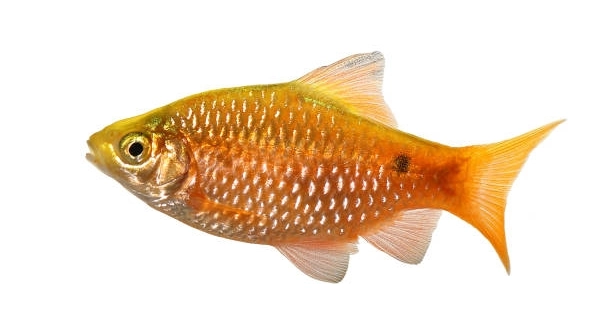
Many fish owners enjoy keeping rosy barbs because of their bright colors and active nature. However, it is common to notice these fish hiding after a water change. This behavior can leave aquarists feeling concerned about their pet’s wellbeing.
Rosy barbs often hide after a water change due to sudden changes in water conditions such as temperature, pH, or chemical levels. These shifts can cause stress, prompting the fish to seek shelter as they adjust to their new environment.
Understanding why your rosy barb hides can help you create a more comfortable tank environment. This article explains the causes and offers tips to reduce stress and keep your fish happy.
Changes in Water Chemistry
When you perform a water change, even if it’s just a small amount, the water chemistry can shift noticeably. This includes changes in temperature, pH, and levels of minerals or chemicals like chlorine and ammonia. Rosy barbs are sensitive to these fluctuations because they are used to the stable environment in the tank. Sudden changes make them feel unsafe, so they instinctively hide. The stress caused by these changes can last a few hours to a couple of days, depending on how drastic the shift is and how well the fish adapts. Regular water testing before and after changes helps you maintain stable conditions. Using a water conditioner to remove chlorine and adjusting temperature gradually can reduce stress. Being mindful about water parameters keeps your fish calm and more visible, improving their overall health.
Water chemistry shifts are a main reason rosy barbs hide after water changes. Stability matters a lot to them.
Careful water management is key to minimizing stress during water changes. It allows your rosy barb to stay comfortable and active.
Stress and Hiding Behavior
Stress is a natural response for rosy barbs when their environment changes. Hiding is a way they protect themselves from potential threats. After a water change, the unfamiliar water can make them feel vulnerable. This behavior is their way of coping until they feel secure again. Providing plenty of plants or decorations gives them places to retreat and feel safe. The hiding should reduce within a day or two if conditions stabilize. Keeping a consistent schedule for water changes helps fish get used to the routine. Sudden loud noises, bright lights, or tank overcrowding can add to stress, so it’s important to keep the tank calm and peaceful.
Stress causes rosy barbs to hide, but they usually calm down as they adjust.
Keeping a stable, quiet environment with places to hide helps reduce stress-related hiding. Proper care supports their comfort and health in the tank.
Water Temperature Changes
Water temperature can shift quickly during a water change, especially if the new water isn’t properly matched to the tank. Rosy barbs are sensitive to even small temperature differences. This sudden change can make them feel stressed and unsafe.
To avoid this, always check the temperature of the replacement water before adding it to the tank. Use a reliable aquarium thermometer to match it closely with the tank’s current temperature. Sudden drops or rises in temperature disrupt your fish’s comfort and health, causing hiding behavior. Gradual adjustments are better if a temperature change is necessary. Maintaining a stable, comfortable temperature range helps keep your rosy barbs active and less likely to hide.
Even small temperature changes impact your fish’s behavior. Preparing the water carefully reduces stress and promotes a healthy tank environment.
Tank Environment and Hiding Spots
Rosy barbs naturally seek shelter when they feel insecure. Having plenty of hiding spots like plants, rocks, or decorations allows them to feel safe. Without these, they may hide in less obvious places or stay out of sight more often. Providing a well-decorated tank encourages natural behavior and reduces stress after water changes. It’s important to balance hiding places with open swimming areas so your fish don’t feel trapped or overcrowded. Regular tank maintenance ensures these areas remain clean and safe, supporting your fish’s well-being. Creating a comfortable environment helps your rosy barbs adjust quickly and enjoy their home.
Water Change Frequency
Frequent water changes can cause continuous stress for rosy barbs. It’s important to find a balance that keeps the tank clean without overwhelming your fish.
Most hobbyists perform partial water changes weekly or biweekly. This schedule supports healthy water conditions and reduces stress for the fish.
Signs of Stress in Rosy Barbs
Stress in rosy barbs shows through changes in behavior and appearance. They may hide more, lose their bright colors, or become less active. Sometimes they stop eating or swim erratically. Recognizing these signs early helps you take action to improve tank conditions and reduce stress.
Regular observation lets you catch problems before they worsen. A healthy, stable environment prevents many stress-related issues in rosy barbs.
Proper Water Conditioner Use
Using water conditioner correctly removes harmful chemicals from tap water. This step is essential during water changes to protect your fish from chlorine and heavy metals. Always follow the instructions on the product label for the best results.
Monitoring Tank Conditions
Keep an eye on water parameters like pH, ammonia, nitrites, and nitrates regularly. This monitoring helps maintain a safe environment for your rosy barbs and prevents stress.
FAQ
Why does my rosy barb hide right after a water change?
Rosy barbs hide after a water change mainly because of sudden changes in water temperature, pH, or chemical levels. These shifts cause stress, making them seek shelter to feel safer. Adjusting water slowly and matching conditions helps reduce this hiding behavior.
How long will my rosy barb stay hidden after a water change?
Usually, rosy barbs hide for a few hours to a couple of days after a water change. If the water conditions are stable, they will gradually become more active and visible. Prolonged hiding might indicate ongoing stress or other issues.
Can I prevent my rosy barb from hiding during water changes?
Yes, you can reduce hiding by making water changes gradual and careful. Use water that matches the tank’s temperature and chemistry, add conditioner, and avoid disturbing the tank too much. Providing plenty of hiding spots also helps your fish feel secure.
Is it normal for rosy barbs to hide when they feel stressed?
Hiding is a natural stress response for rosy barbs. In the wild, they hide to avoid predators. In the tank, stress from changes or disturbances causes similar behavior. Creating a calm, stable environment reduces stress and hiding.
How often should I do water changes to keep rosy barbs comfortable?
Weekly or biweekly partial water changes (about 20-30%) usually work best. This schedule maintains good water quality without stressing the fish. Frequent large changes can shock the fish, leading to more hiding.
What water parameters should I monitor for rosy barbs?
Keep the water temperature between 64°F and 72°F (18°C–22°C). Maintain pH around 6.5 to 7.5. Check ammonia, nitrite, and nitrate levels regularly—ammonia and nitrites should be zero, and nitrates below 20 ppm. Stable parameters reduce stress.
Can poor water quality cause my rosy barb to hide?
Yes, poor water quality with high ammonia, nitrites, or nitrates causes stress and illness, leading to hiding. Regular testing and water changes prevent harmful buildup and keep your fish healthy and comfortable.
Should I change all the water at once or in parts?
Partial water changes are best. Changing 20-30% at a time avoids sudden shifts in water chemistry that stress fish. Full water changes are risky unless the tank has serious problems, and they must be done carefully.
What role do decorations and plants play in hiding behavior?
Plants and decorations offer safe spots for rosy barbs to retreat when stressed. Having enough hiding places helps them feel secure, reducing anxiety after changes. However, balance is important—too many hiding spots can reduce swimming space.
Can the type of water conditioner affect my fish’s hiding?
Yes, using a poor-quality or wrong water conditioner can leave harmful chemicals in the water, causing stress and hiding. Always choose a conditioner designed for aquarium use and follow the instructions carefully.
Does tank size influence hiding behavior?
Smaller tanks can increase stress because of limited space and faster water quality changes. Larger tanks offer more room to swim and hide, reducing stress. Ensure the tank size fits your fish’s needs for better comfort.
Are rosy barbs shy fish by nature?
Rosy barbs are generally active and social but can be shy when stressed or frightened. They feel safer in groups and when given plenty of places to hide. Proper care helps them show their natural lively behavior.
What can I do if my rosy barb keeps hiding even after water conditions improve?
If hiding continues, check for other stress factors like tank mates, disease, or poor diet. Make sure the tank environment suits their needs and consult a specialist if needed. Patience is important, as fish sometimes need time to recover.
Can feeding habits affect hiding behavior?
Yes, stressed fish often eat less and hide more. If your rosy barb refuses food after a water change, it’s likely stressed. Feeding small amounts of favorite foods can encourage them to come out and regain energy.
Is it okay to keep rosy barbs with other fish to reduce hiding?
Rosy barbs are schooling fish and prefer company. Keeping them in groups of at least five helps reduce stress and hiding. Avoid aggressive tank mates that might frighten them, causing more hiding.
How important is lighting for rosy barbs and their hiding habits?
Proper lighting helps regulate fish behavior. Too bright lighting can stress rosy barbs, causing hiding. Use moderate light levels and provide shaded areas in the tank so fish can choose their comfort zone.
Can water hardness affect rosy barb hiding?
Yes, water hardness outside their preferred range can cause discomfort and hiding. Rosy barbs prefer moderately hard water (5-19 dGH). Regular testing and adjusting water hardness can help maintain a comfortable environment.
Does sudden noise or vibration cause rosy barbs to hide?
Yes, loud noises or vibrations near the tank startle fish and cause hiding. Keeping the tank in a quiet, stable area reduces sudden stress and helps your rosy barbs feel safe and calm.
Is it normal for rosy barbs to hide during acclimation?
Yes, when first introduced to a new tank, rosy barbs often hide as they adjust to new surroundings. Providing a gentle environment and hiding spots eases their transition and encourages quicker adaptation.
When your rosy barb hides after a water change, it is usually because the fish is feeling stressed or uncomfortable due to changes in its environment. Water changes, while important for keeping the tank clean and healthy, can sometimes cause sudden shifts in temperature, pH, or other water qualities. These changes make the fish feel unsafe, so they seek shelter. This is a normal response and does not mean something is seriously wrong with your fish. Understanding why your rosy barb hides can help you take better care of it and make water changes less stressful.
To help your rosy barb feel more comfortable during and after water changes, it is important to prepare the new water carefully. Matching the temperature and chemistry of the replacement water to the tank water is a key step. Using water conditioners to remove harmful chemicals like chlorine is also essential. Providing plenty of hiding spots like plants or decorations will give your fish safe places to retreat when they feel scared. Making water changes slower and less frequent, but still regular, will keep the water quality good without shocking the fish. Paying attention to water parameters and keeping them stable will reduce stress and encourage your rosy barb to be more active.
Remember, some hiding is normal, but if your rosy barb hides for long periods or shows signs of illness, it could mean a deeper problem. Regular observation of your fish’s behavior and tank conditions can help catch issues early. Keeping a calm environment with proper care, clean water, and good nutrition will support your fish’s health and happiness. With patience and attention, your rosy barb will feel safe and show its bright colors and lively personality once again. Taking these steps will create a peaceful and enjoyable aquarium for both you and your fish.

Hello,
If you enjoy the content that we create, please consider saying a "Thank You!" by leaving a tip.
Every little bit helps us continue crafting quality advice that supports the health, happiness, and well-being of pets around the world, for pets of all shapes, sizes, and species.
We really appreciate the kindness and support that you show us!